Amendment 3 in Florida: What Just Happened?
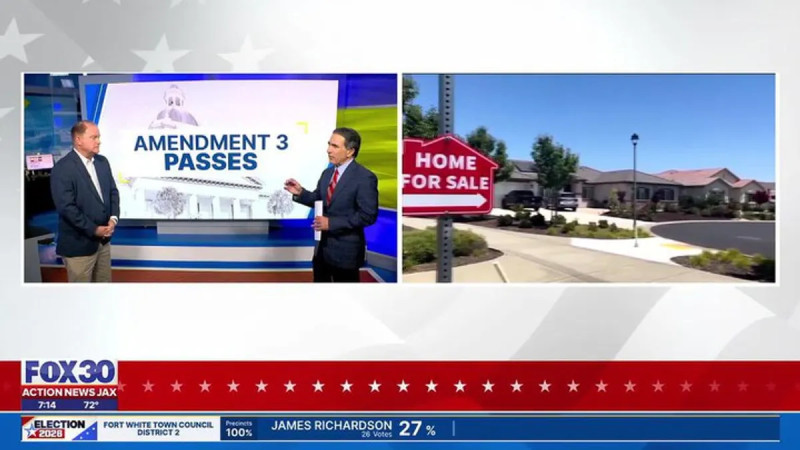
Florida has always been a hotbed of political activity, but the latest ballot measure, Amendment 3, has sparked a frenzy. The measure has been all over the news, with headlines shouting about the recent developments and implications. Here's the skinny on what just happened.
Breaking Down Amendment 3
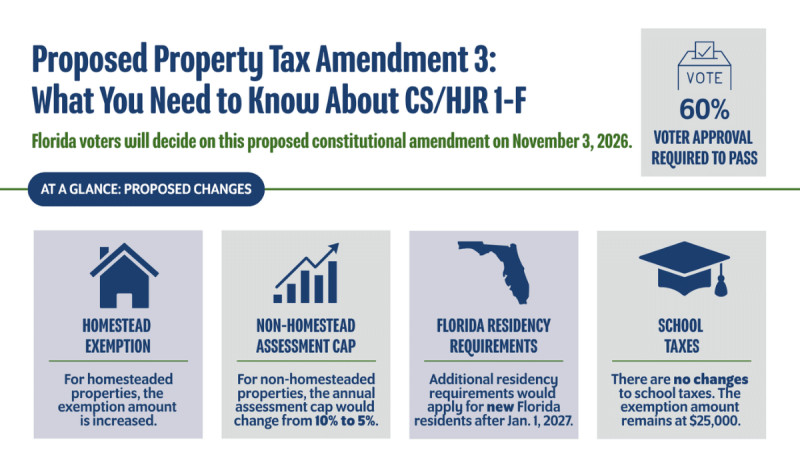
Amendment 3, also known as the Homestead Tax Exemptions, Property Assessments, and Spending Restrictions Amendment, was a big deal on the ballot in Florida. It was a legislative referendum put before the voters, and it passed with a resounding 62% approval rate. This amendment is all about changing how property taxes work in the Sunshine State, especially for homeowners and local governments. Look, it’s a big change, but let's break it down.
Here's the thing: Amendment 3 introduces a significant reduction in property tax dollars for counties, cities, towns, villages, and special taxing districts — that includes everything from public hospitals to water management districts. It also expands the non-school property tax exemption, which is set to take effect in 2027 and 2028.
So, what does this mean for homeowners? Well, it means that homeowners could see a significant decrease in their property taxes, potentially saving them thousands of dollars. But here's the catch: this comes at a cost. Local governments are going to see a substantial reduction in revenue, which could impact the funding for essential public services.
The Impact on Property Taxes
Property taxes are a big deal in Florida, especially for homeowners. With Amendment 3 passing, the homestead tax exemption is set to increase, which means homeowners will see a reduction in their property tax bills. But here’s the kicker: while homeowners are celebrating, local governments are bracing for impact. The amendment decreases the cap on how much the assessed value of non-homestead properties can increase each year from 10% to 5%.
This change is expected to save Florida homeowners thousands of dollars, but it also means local governments will be dealing with billions less in revenue. And then — get this — it's not just about the money; it's about the services. With less funding, local governments will have to make some tough decisions about where to cut costs, which could affect everything from public safety to infrastructure.
So, what’s the bigger picture? Homeowners are likely to be happy with the immediate savings, but it remains to be seen how local governments will adapt to the loss of funding. Sound familiar? It’s a classic tale of one group’s gain being another’s loss. Remind you of anything? Like how tax cuts always play out in the political arena.
The amendment will also affect the way property assessments are done, which could have long-term implications for the property market in Florida.
What Happens Next?
Now that Amendment 3 has passed, the real work begins. The expanded homestead exemptions are set to take effect in the coming years, but local governments are already starting to feel the pinch. In recent times, there have been discussions about how to balance the needs of homeowners with the financial constraints of local governments.
Here’s the thing: while homeowners are celebrating their tax breaks, local governments are facing a daunting task. They'll need to find ways to maintain essential services without the usual funding. And with property assessments changing, there could be some unintended consequences down the line. It's a complex web, and the fallout is just beginning to unfold.
Florida's voters have spoken, and the state is poised for a significant shift in how property taxes are managed. The next few years will be crucial as local governments navigate these changes and find new ways to balance their budgets. It’s a challenging time, but it’s also an opportunity for innovation and adaptation.
Amendment 3 is a game-changer, and it’s only the beginning of a new era for property taxes in Florida.
This is the real Florida, where tax cuts are political gold but come with hidden costs.
How does this story make you feel?
 Up next · PoliticsMassachusetts Voters Decide on Nine Key Ballot Questions in Historic Election