California's Mileage Tax Debate: A New Frontier in Road Funding?
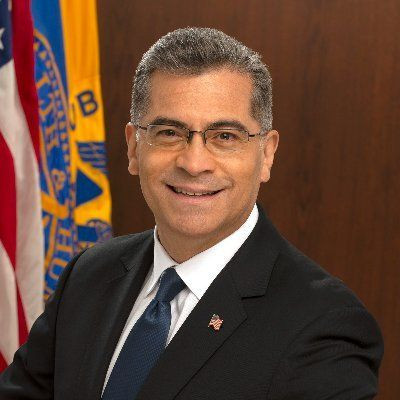
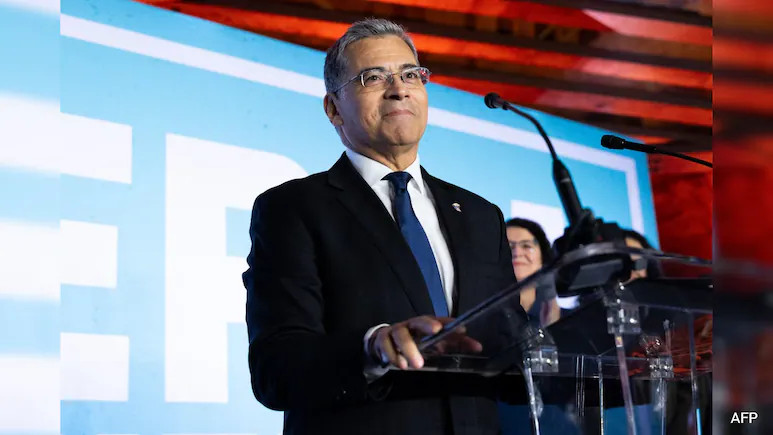
Gone. The days of simply pump gas, pay a gas tax, and hit the road are no longer the norm. As California's roads crumble under the weight of traffic and time, gubernatorial candidate Xavier Becerra has reignited a controversial debate: should drivers be taxed based on the miles they travel?
The State of California's Roads
California’s transportation infrastructure is under intense pressure. The state’s roads and bridges are deteriorating rapidly, and the traditional gas tax—a primary funding source for road maintenance—is insufficient to cover the costs. According to Becerra, maintaining California’s roads will require innovative solutions. He suggests that a mileage-based tax could be a viable option to generate the needed revenue.
The Mileage Tax Proposal: How It Works
A mileage tax, or vehicle-miles-traveled (VMT) fee, charges drivers based on the number of miles they travel rather than the amount of fuel they consume. This approach has been tested in pilot programs across the state, where GPS and other tracking technologies were used to monitor drivers' mileage accurately. The data collected during these pilots has been instrumental in assessing the feasibility of implementing a statewide mileage tax. The program addresses privacy concerns by anonymizing the data and ensuring that drivers’ personal information remains secure.
The Political Landscape: Becerra's Stance
Becerra's proposal has sparked a heated debate among California residents and lawmakers. While some see it as a logical step toward modernizing road funding, others view it as an additional financial burden on already strapped drivers. Becerra’s open stance on the mileage tax has drawn both praise and criticism. Critics argue that the additional tax will disproportionately affect lower-income drivers and small businesses. "Everything should be on the table," Becerra insists, arguing that electric vehicle (EV) owners, who currently avoid gas taxes, should also contribute to road maintenance.
“Our roads aren't maintained just by some magic wand. We have to pay for it somehow.” – Xavier Becerra
The Public Reaction: Support and Resistance
The public reaction to Becerra’s proposal has been mixed. Drivers facing high costs are pushing back against the idea of a mileage tax, citing concerns about added financial pressure and privacy issues. Kenyatta Cole, a trucker, is one of the vocal critics, arguing that the tax could add hundreds of dollars annually to commuters' costs. However, proponents point out that the current gas tax system is outdated and that a mileage tax could provide a more equitable and sustainable funding model. The debate highlights the tension between the need for infrastructure funding and the public’s reluctance to accept new taxes.
The Road Ahead: What’s Next for California?
As the debate continues, California lawmakers are tasked with finding a balanced solution that addresses the state’s infrastructure needs without overburdening drivers. The mileage tax proposal is part of a broader discussion about modernizing road funding mechanisms. Think again about what it means to drive in California. What if the roads you rely on every day were maintained with tax dollars from every driver, regardless of fuel type? The future of California’s roads hangs in the balance, with the mileage tax being one of the key solutions on the table.
Historical Parallels: Fuel Taxes Past
The mileage tax debate is not unique to California. In the 1950s, the federal gas tax was introduced to fund the construction of the interstate highway system—a monumental effort to modernize the nation’s infrastructure. The tax, which remains a primary source of road funding today, has faced similar challenges and criticisms over the years. Will history repeat itself with a different tax on roads? Will the mileage tax be the key to modernizing California’s roads, or will it face the same hurdles that have plagued the gas tax system?
How does this story make you feel?
 Up next · PoliticsDemocrat Christina Bohannan Seizes Victory in Iowa’s 1st District