Unusual Election Absence: Why Some States Didn't Have Elections
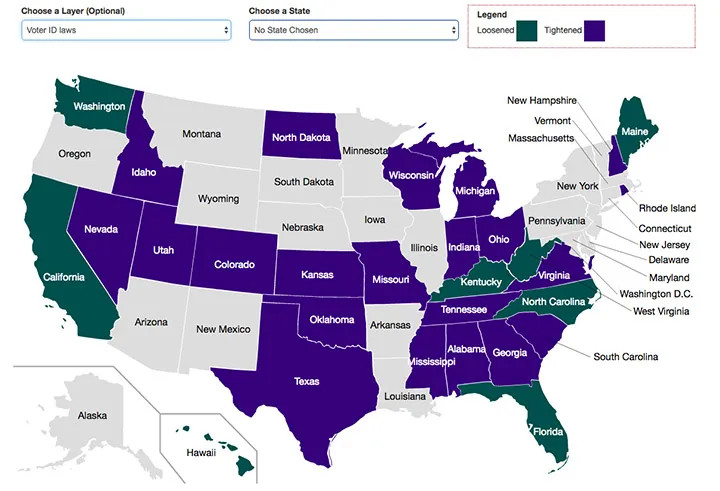
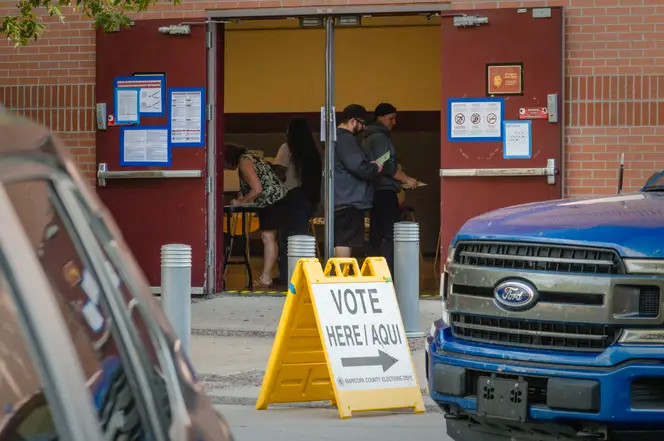
In recent times, voters have noticed a peculiar absence: some states didn't hold elections that were expected. The reasons behind this decision, which has puzzled many, vary from state to state, reflecting a complex interplay of local laws and political strategies. Understanding why some states did not hold elections can shed light on the broader dynamics of American electoral processes.
State Laws and Off-Cycle Elections
State laws play a crucial role in determining the timing and necessity of elections. Governor's race schedules are determined by the states, which can lead to some states holding elections during off-cycles. Supporters of off-cycle elections argue that they allow voters to focus on local issues, while critics contend that this approach can lead to lower voter turnout. For instance, some states opted to delay their governor's races to focus on specific local issues, a strategy that highlights the flexibility of state governance in setting electoral timelines. This off-cycle schedule can significantly impact election participation and voter engagement.
Varying Election Timelines and Procedures
In addition to state laws, the timeline and procedures for election counting are significant factors. Voters often expect results quickly on election night, but the reality can be more complex. The timing of vote counting varies significantly across states due to differences in state laws and procedures. Some states, such as Michigan, begin counting votes only after the polls close, which can delay the reporting of results. For example, Michigan's vote counting process can take longer due to its thorough verification procedures, which include signature checks and recounts. This meticulous process, while ensuring the accuracy of the results, can extend the wait time for final outcomes.
Nevada's Complex Counting Process
Nevada, renowned for its unique electoral landscape, also faces challenges in vote counting. Nevada often take longer to count votes due to the volume of mail-in ballots and the legal requirements that dictate when counting can begin. Similarly, the state's laws dictate that officials cannot start processing mail ballots until Election Day, which further delays the reporting of results. The state's intricate counting process, which includes verifying signatures and conducting recounts, ensures the integrity of the election but prolongs the wait for final results.
At the heart of this issue lies a fundamental question: Why do these variations exist in the first place? The answer lies in the federal structure of the United States, where states have significant autonomy over their electoral processes. This autonomy allows for flexibility but also creates disparities in how and when elections are conducted. Think about the implications: these variations can lead to different levels of voter engagement and trust in the electoral system. Does this decentralized approach enhance democracy or complicate it?
In the wake of such discrepancies, the future of elections in these states remains uncertain. Will they continue to hold off-cycle elections, or will there be a push for more synchronized voting? Only time will tell, but one thing is clear: the electoral landscape in these states is far from static. As the nation moves forward, the conversation around election timelines and procedures will undoubtedly continue to evolve, reflecting the dynamic nature of American democracy.
How does this story make you feel?
 Up next · PoliticsPete Stauber Faces Tough Reelection Battle in Minnesota's 8th District