LePage's Bid for Congress: A Pivotal Moment for Maine Politics
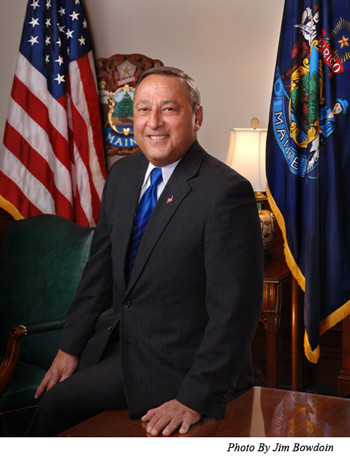
The race for Maine's 2nd Congressional District is heating up as former Governor Paul R. LePage declared victory in the Republican primary. LePage's campaign has been marked by a series of strategic moves aimed at consolidating his support base and positioning himself as the sole Republican with a viable shot at winning the seat. His recent declaration of victory, while the race remains officially uncalled, signals a significant development in the political landscape of Maine.
The Road to Victory: LePage’s Campaign Strategy
Paul LePage, a former governor of Maine, has long been a polarizing figure in state politics. His tenure as governor, from 2011 to 2019, was characterized by a series of controversial reforms and policies that aimed to streamline government operations and reduce costs. LePage’s decision to run for Congress is part of a broader strategy to bring his conservative agenda to Washington, focusing on issues such as border security, job creation, and economic growth.
LePage’s campaign has been bolstered by his past performance as a municipal leader in Waterville, Maine, where he served as mayor from 2004 to 2011. His experience in municipal governance and his business acumen have been central to his campaign narrative, positioning him as a pragmatic leader who can deliver results.
LePage's academic credentials, which include a BS in Business Administration in Finance/Accounting and an MBA from the University of Maine, further underscore his commitment to economic policy and management. These qualifications have been highlighted in his campaign materials, emphasizing his expertise in financial and economic matters.
The Electoral Landscape: Challenges and Opportunities
The Maine's 2nd District race is still uncalled, with several towns yet to report their final votes. However, most of these towns are in Republican areas, which has led LePage to declare victory. This declaration comes amidst a backdrop of shifting political dynamics in Maine, where LePage's controversial past and his aggressive campaign style have both galvanized his supporters and drawn criticism from opponents.
LePage’s campaign has focused on key issues that resonate with his base, including border security, job creation, and economic growth. His platform emphasizes the need for a strong national defense and a robust economy, which he believes can be achieved through conservative fiscal policies and reduced government regulation.
LePage’s opponents, including Democratic candidate Matt Dunlap, have criticized his approach, arguing that his policies have historically been divisive and harmful to Maine's diverse communities. Dunlap has highlighted the need for more inclusive policies that address the concerns of all Maine residents, rather than solely focusing on conservative economic principles.
The Next Steps: Looking Ahead in the Congressional Race
LePage's declaration of victory, even as the race remains uncalled, underscores the intense competition and high stakes involved in the upcoming elections. The final outcome will depend on the remaining votes from several towns, which are expected to report in the coming days. The race remains tight, with LePage’s campaign strategy and his opponents’ responses shaping the final results.
The next critical deadline is the general election on November 3, 2026, where LePage will face off against his opponents in the final round of voting. The results of this election will determine the future direction of Maine's 2nd Congressional District, with LePage's victory potentially setting the stage for a significant shift in Maine's political landscape.
The outcome of Maine's 2nd District race will influence not only the political dynamics within the state but also have implications for national politics. Paul LePage's bid for Congress is a pivotal moment for Maine, with his potential victory or defeat likely to shape the future of conservative politics in the region. As the votes are tallied and the final results are announced, all eyes will be on Maine, watching to see how this closely contested race unfolds.
How does this story make you feel?
 Up next · PoliticsThe Trump Show Continues: The Battle Between Defiance and Acceptance