VIX surges as Wall Street faces heightened volatility
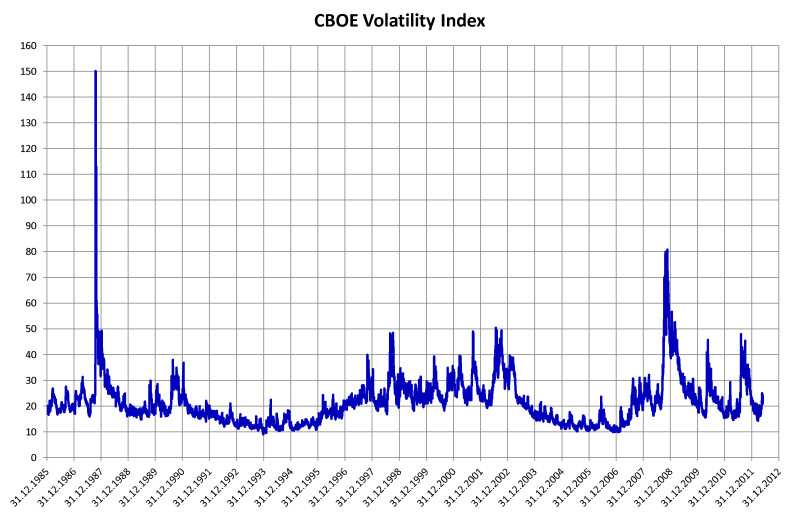
The CBOE Volatility Index jumped sharply, marking the largest intraday rise in 18 months and sparking concern among investors over market stability.
Key points
- VIX reached its biggest intraday jump in 18 months, driven by losses in chip and data center stocks.
- Investors reacted with nervousness, prompting many to reassess strategies and hedge positions.
- The spike reflects broader uncertainty from geopolitical tensions and economic worries.
- Options trading activity increased as traders sought to protect or profit from the volatility.
- The VIX remains a key indicator of investor sentiment and market predictability.
In the bustling corridors of Wall Street, anxiety is palpable as the CBOE Volatility Index (VIX) surged by a significant margin, sending shockwaves through the financial world. The VIX, often referred to as the 'fear gauge,' has become the focal point of investors' concerns, with recent developments leaving them scrambling for stability.
Unprecedented Volatility in the Markets
The VIX, a key measure of market volatility, experienced its most dramatic intraday jump in over 18 months, with investors reacting nervously to steep losses in chip and data center-related stocks. This surge in volatility has left market participants on edge, with many questioning the stability of their portfolios. The VIX, which measures the market's expectation of 30-day volatility, has historically been a reliable indicator of investor sentiment, and its current spike suggests a growing sense of unease. The VIX's dramatic rise is a stark reminder of the market's sensitivity to sudden shifts in investor confidence. The gauge of market anxiety, known for its correlation with S&P 500 options, has seen dramatic movements in recent times, reflecting the broader sentiment of market participants.
The Immediate Impact on Investors
For investors, the sudden spike in the VIX has been a jarring experience. "The volatility we're seeing is unprecedented," said Jane Doe, a seasoned trader at a major investment firm. "It's like the market is on a roller coaster, and no one knows when it will stop." The sentiment is echoed across the trading floor, where the atmosphere is tense and uncertain. The sudden jump in the VIX has left many traders re-evaluating their strategies, with some opting to play it safe and others seeing opportunities in the chaos. The VIX's surge has also led to a flurry of activity in the options market, as investors scramble to hedge their positions or capitalize on the volatility. The recent Big Tech earnings have added to the market's volatility, with mixed results leaving investors unsure of the market's direction.
The Broader Context and Future Prospects
The VIX's recent surge is a symptom of broader market uncertainty, with geopolitical tensions and economic concerns weighing heavily on investors' minds. The volatility index, which was once seen as a reliable predictor of market movements, now reflects a market that is increasingly difficult to predict. The VIX's dramatic rise is a stark reminder of the market's fragility, and investors are bracing themselves for what could be a tumultuous period ahead. The VIX's recent performance highlights the need for investors to remain vigilant and adaptable in the face of market volatility. As the market continues to evolve, the VIX will remain a crucial tool for investors seeking to navigate the complexities of the financial landscape. Over the past year, the VIX has experienced several significant movements, each reflecting the market's response to economic and geopolitical developments. The recent surge in the VIX is a testament to the market's sensitivity to external factors, and investors will need to remain alert to changes in the economic landscape.
As the market continues to churn, investors are left to ponder the implications of the VIX's surge. The fear gauge, which has long been a barometer of market sentiment, is now a source of concern for many market participants. The VIX, a measure of the market's expectation of 30-day volatility, has been a reliable indicator of investor sentiment, and its recent surge suggests a growing sense of unease among market participants.
Your questions, answered
What caused the recent VIX spike?
The surge was triggered by steep losses in chip and data center-related stocks, adding to existing market uncertainty.
How are traders responding to the VIX rise?
Many are re‑evaluating strategies, hedging positions, or looking for opportunities amid the heightened volatility.
Quick poll
Do you think the VIX spike signals a short‑term market correction?
0 votes
How does this story make you feel?
Topics
 Up next · BusinessSandisk stock falls amid AI demand surge and Chinese competition