Stock Market Plunge: Unraveling the Mystery Behind the Downturn
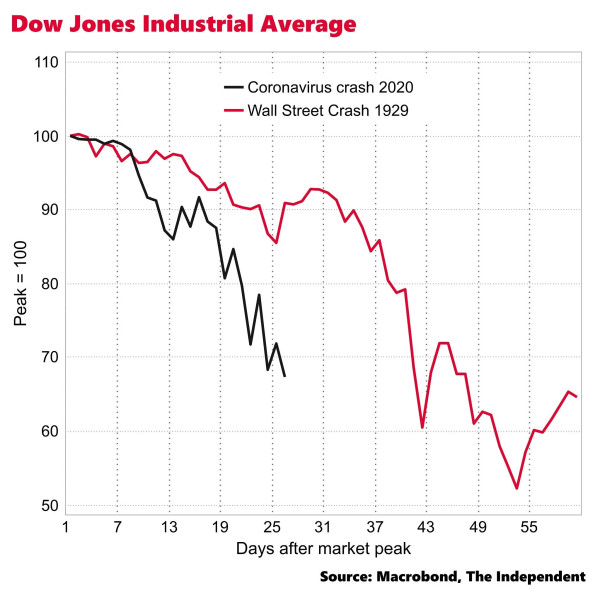
The stock market has taken a nosedive, much like a rollercoaster plummeting down its first steep drop. But what's behind this sudden descent? As of today, the stock market is down, with all eyes turning towards the S&P 500 index, Dow Jones futures, and the Nasdaq composite. The winds of change are blowing through the market, and it's time to understand why.
Economic Indicators: The Canaries in the Coal Mine
The stock market futures are often seen as the canaries in the coal mine, giving us early warnings about the broader market's health. Recently, there has been a significant downturn in the futures for major indexes, signaling that something is amiss. The Dow Jones futures and Nasdaq futures have been particularly volatile, with sharp declines that have left investors on edge. This volatility is a clear indicator of the broader market's uncertainty and anxiety.
MarketWatch has been reporting on the latest updates, highlighting the economic indicators that point to a broader trend of uncertainty. The S&P 500 index, a key benchmark for the overall market, has shown a decline, reflecting the market's nervousness about future economic conditions. This decline is not just a blip but part of a broader trend that has been unfolding in recent times, according to available reports.
Market Volatility: The Winding Road of Uncertainty
The volatility we're seeing in the market is akin to navigating a winding road in a fog. It's hard to see what's ahead, and every turn could lead to a new surprise. Investors are grappling with a range of uncertainties, from geopolitical tensions to economic indicators that point to a slowing economy. The Nasdaq Composite, which is heavily weighted toward technology stocks, has been particularly volatile, reflecting the market's uncertainty about future growth prospects.
In recent times, the Nasdaq Composite has seen significant fluctuations, with sharp declines followed by brief periods of recovery. This volatility is a reflection of the broader market's uncertainty about future economic conditions. The Nasdaq Composite's performance is particularly noteworthy because it is heavily weighted toward technology stocks, which are often seen as a bellwether for the broader market's health.
The Dow Jones Industrial Average, another key benchmark, has also been on a rollercoaster ride. The Dow Jones futures have shown significant volatility, with sharp declines that have left investors on edge. This volatility is a clear indicator of the broader market's uncertainty and anxiety, as investors grapple with a range of uncertainties, from geopolitical tensions to economic indicators that point to a slowing economy.
Market Sentiment: The Pulse of Investor Anxiety
Market sentiment is the pulse of investor anxiety, and it's been beating irregularly. Investors are grappling with a range of uncertainties, from geopolitical tensions to economic indicators that point to a slowing economy. This anxiety is reflected in the market's volatility, with sharp declines that have left investors on edge.
The stock market futures are often seen as the canaries in the coal mine, giving us early warnings about the broader market's health. Recently, there has been a significant downturn in the futures for major indexes, signaling that something is amiss. The Dow Jones futures and Nasdaq futures have been particularly volatile, with sharp declines that have left investors on edge. This volatility is a clear indicator of the broader market's uncertainty and anxiety.
MarketWatch has been reporting on the latest updates, highlighting the economic indicators that point to a broader trend of uncertainty. The S&P 500 index, a key benchmark for the overall market, has shown a decline, reflecting the market's nervousness about future economic conditions. This decline is not just a blip but part of a broader trend that has been unfolding in recent times, according to available reports.
Investors are keeping a close eye on the latest stock market news and analysis, as well as the pre-market trading data, to gauge the market's direction. The Dow Jones futures, S&P 500 futures, and Nasdaq futures are all showing signs of uncertainty, with sharp declines that have left investors on edge. This volatility is a clear indicator of the broader market's uncertainty and anxiety, as investors grapple with a range of uncertainties, from geopolitical tensions to economic indicators that point to a slowing economy.
CNBC's Jim Cramer recently commented, "The market is like a rollercoaster right now, and it's hard to say where it will go next. Investors are nervous, and that's reflected in the volatility we're seeing in the futures."
One of the most significant factors contributing to the current market volatility is the uncertainty surrounding the economic outlook. Investors are grappling with a range of uncertainties, from geopolitical tensions to economic indicators that point to a slowing economy. This anxiety is reflected in the market's volatility, with sharp declines that have left investors on edge.
As we navigate this uncertain terrain, it's important to remember that the market is a complex and dynamic system. The volatility we're seeing is not just a reflection of investor anxiety but also a natural part of the market's evolution. While it's easy to get caught up in the drama of the moment, it's essential to keep a long-term perspective and focus on the fundamentals.
It's a wild ride, and we're all strapped in, hoping for the best. But remember, every rollercoaster has its ups and downs, and this too shall pass.How does this story make you feel?
 Up next · Business\S&P 500 Soars as AI Investments Fuel Market Optimism