S&P 500 volatility rises on economic data and geopolitical tensions
The S&P 500 is experiencing sharp swings driven by mixed economic indicators and geopolitical risks, prompting investors to shift toward defensive assets and safe havens.
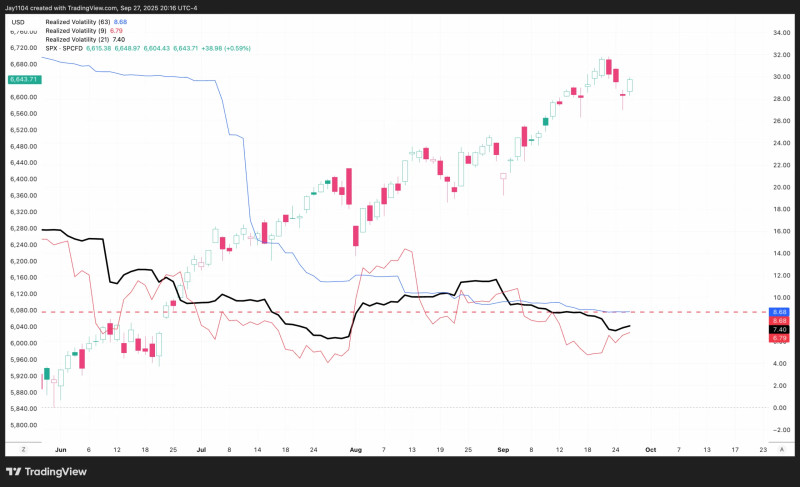
Key points
- S&P 500 volatility has increased due to mixed economic data and geopolitical tensions.
- Technology and healthcare sectors show resilience, while manufacturing and retail struggle.
- Investors are moving into defensive stocks, gold, and bonds as a flight to safety.
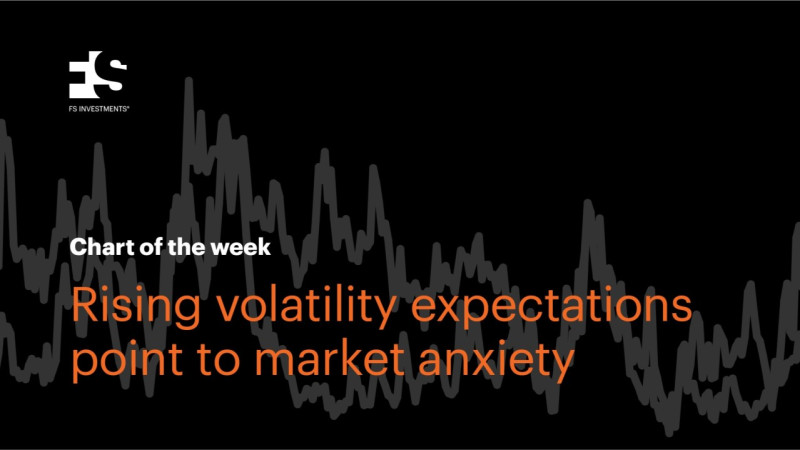
- The VIX index has spiked, reflecting heightened anxiety among market participants.
The S&P 500 is a bellwether of the broader U.S. equity market, and recently, it has been anything but tranquil. In the fluorescent glare of the trading floors, the hum of phones buzzing in pockets, and the rapid-fire clicks of keyboards, traders have been navigating an increasingly turbulent landscape. The S&P 500 has been one of the most closely watched indices, with volatility rising sharply in recent times, driven by a mix of economic data and geopolitical tensions.
What's Driving the Turbulence in the S&P 500?
Market volatility has surged in recent times, with the S&P 500 seeing significant swings that have left investors on edge. The primary culprit seems to be the recent release of economic indicators, which have painted a mixed picture of the economy. While some sectors like technology and healthcare have shown resilience, others, such as manufacturing and retail, have struggled. The uncertainty has been exacerbated by geopolitical tensions, particularly in the tech sector, where U.S. companies face potential regulatory hurdles and trade restrictions.
The U.S. stock market's performance, with indices like the S&P 500, Nasdaq, and Dow Jones, has been especially volatile, reflecting broader economic uncertainties. The Dow Jones Industrial Average (DJIA) and Nasdaq Composite have also seen significant fluctuations, mirroring the broader market sentiment. The DJIA futures, which provide a glimpse into the market's expected performance, have been particularly revealing, often pointing to a tumultuous start to the trading day.
How Have Investors Been Responding?
Investors have been adopting a cautious approach, with many turning to defensive stocks and safe-haven assets like gold and bonds. The yield on 10-year Treasury notes has dipped, indicating a flight to safety as investors brace for potential turbulence. The VIX, often referred to as the fear gauge, has spiked, reflecting heightened investor anxiety.
The S&P 500 index has been under scrutiny, with analysts closely monitoring its performance. The latest data shows that the index has been fluctuating, with some sectors faring better than others. The S&P 500, which comprises 500 leading companies in major industry sectors, provides a comprehensive snapshot of the U.S. economy. The index's components, including tech giants and financial institutions, have been navigating a challenging environment. The S&P 500 futures, which offer a glimpse into the market's expected performance, have been particularly telling, often signaling a rough start to the trading day. The volatility in the market has been driven by a mix of economic data and geopolitical tensions, particularly in the tech sector, where U.S. companies face potential regulatory hurdles.
— "The market is in a state of flux, with investors grappling with a myriad of factors that are driving volatility," said an anonymous market analyst. —
Navigating the Storm: What Lies Ahead for the S&P 500?
The path forward for the S&P 500 remains fraught with uncertainty. Key economic indicators, such as inflation rates and employment data, will play a crucial role in shaping market sentiment. Additionally, geopolitical developments, particularly in the tech sector, will continue to be a significant factor. — "The market is in a state of flux, with investors grappling with a myriad of factors that are driving volatility," said an anonymous market analyst. —
In the midst of this turbulence, one question looms large: Can the S&P 500 weather the storm, or are we on the cusp of a broader market correction? The answer, for now, remains elusive.
Your questions, answered
What is causing the recent S&P 500 volatility?
The volatility is driven by a mix of recent economic indicators and geopolitical tensions, particularly in the tech sector.
How are investors responding to market turbulence?
Investors are adopting a cautious approach by turning to defensive stocks and safe-haven assets like gold and bonds.
Quick poll
How do you view the current market volatility?
0 votes
How does this story make you feel?
Topics
 Up next · BusinessBoeing to cut 5% of workforce amid production slowdown