Florida Braces for Devastating Flash Flooding as Storms Pummel the Coast
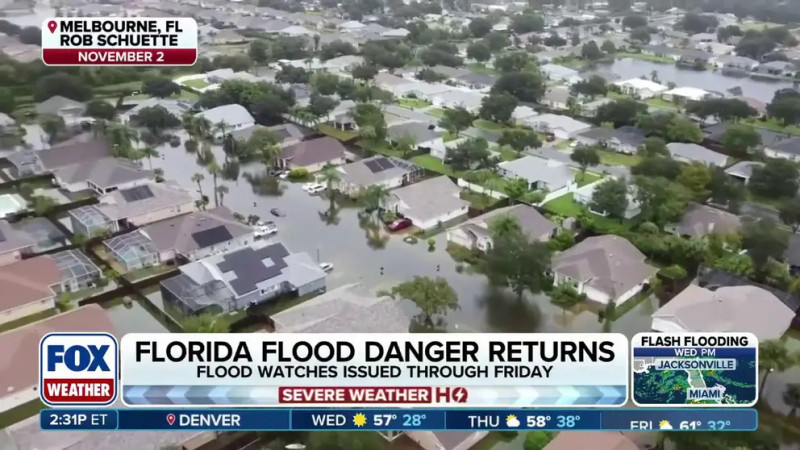
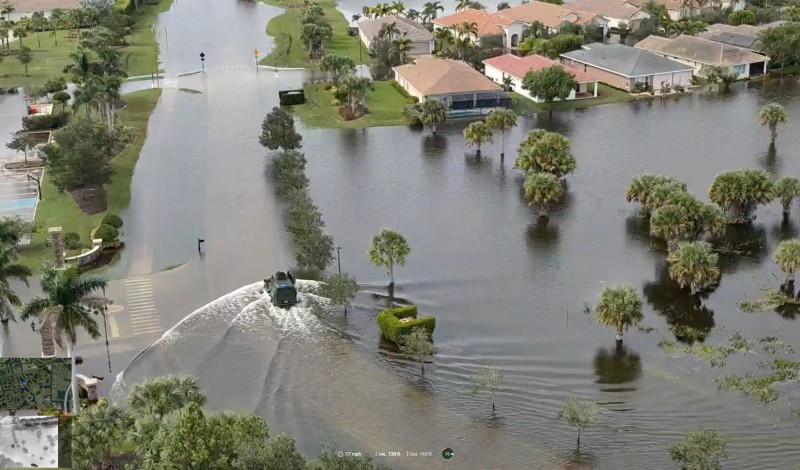
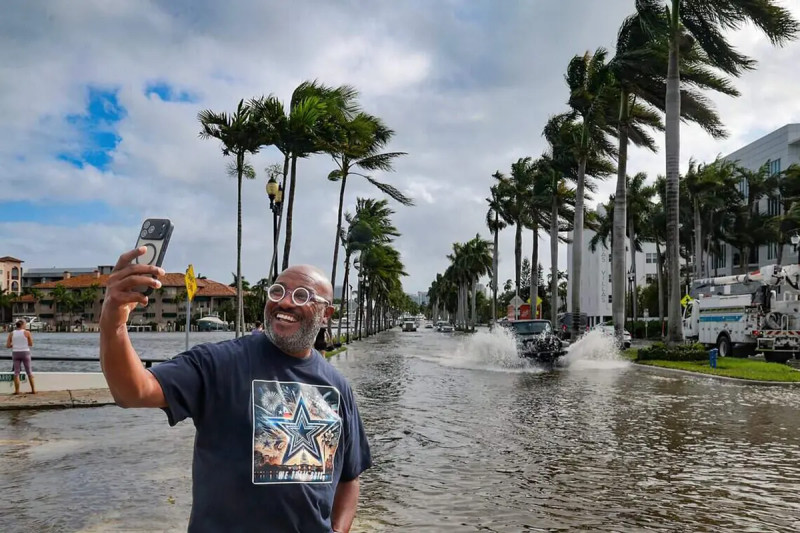
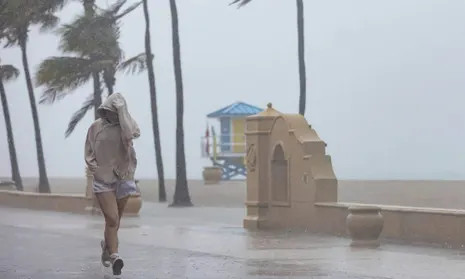
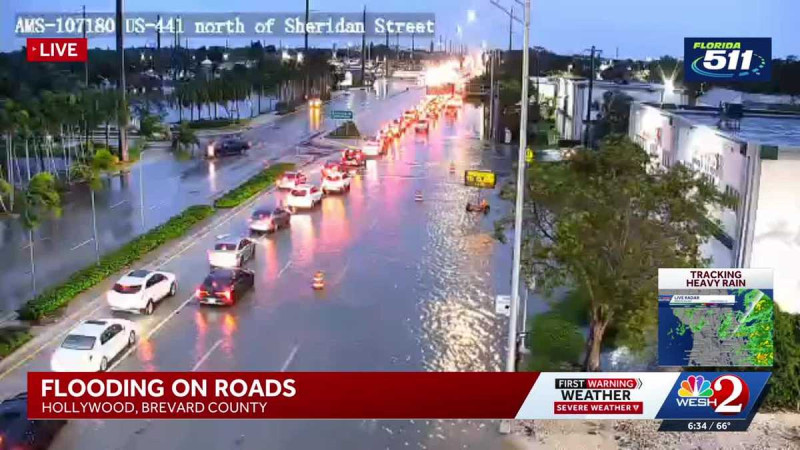
In recent times, Florida has been battered by relentless storms, causing severe flash flooding that has left communities in disarray. The eastern part of the state, particularly the Atlantic coast, has been hit hardest, with flooding disrupting travel, damaging homes, and leaving residents in a state of uncertainty. The storm's impact has been so severe that emergency declarations have been issued for the entire Florida Atlantic coast, including major cities like Jacksonville and Miami, as well as inland areas like Orlando.
Unprecedented Rainfall and Record-Breaking Flooding
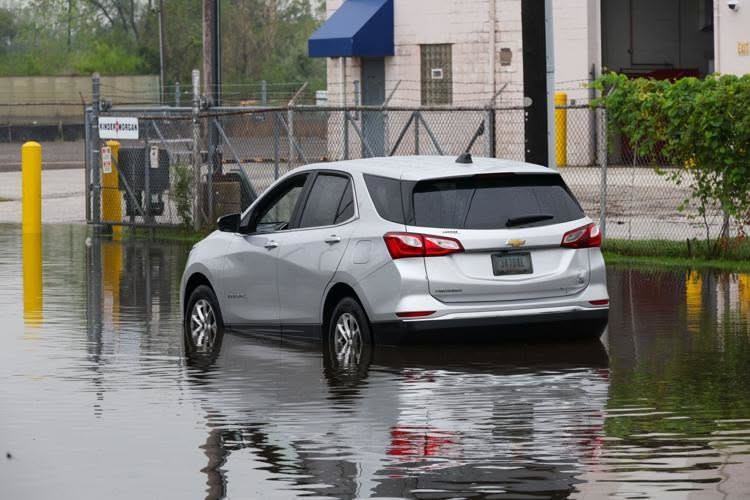
The recent storms have brought unprecedented rainfall to Florida, smashing flooding records that had stood for decades. The state's Atlantic coast has been inundated with flooding rain for the second time in less than three weeks, setting new November, fall, and even all-time records. The St. Johns River, a major waterway in eastern Florida, has hit an all-time high, exacerbating the flooding conditions. The torrential downpours have not only caused widespread flash flooding but have also led to significant disruptions in daily life, with multiple school districts forced to close and roads becoming impassable.
The Impact on Communities and Infrastructure
The historic flooding has left parts of eastern Florida in disarray, with thousands of homes damaged, roads washed away, and entire communities disrupted. In Brevard County, a major roadway collapse in Palm Bay Estates has cut off vehicle access for dozens of residents, forcing families to navigate makeshift footpaths to reach the outside world. The state of emergency has been expanded to cover around 6.5 million more people in seven counties, highlighting the scale of the devastation. The flooding has also disrupted early Thanksgiving travel for millions, as the storm charges up the East Coast with soaking rain and gusty winds.
The Role of Super El Niño and Climate Change
Meteorologists have blamed the super El Niño for the unprecedented flooding that has struck Florida in what is normally the state's dry season. The weather pattern has brought unusually heavy rainfall to the region, causing widespread flooding and damaging infrastructure. While the flood watch remains in place, the impact of climate change on weather patterns cannot be overlooked. As global temperatures rise, extreme weather events are becoming more frequent and intense, posing a significant threat to coastal communities.
"We are seeing the effects of climate change in real-time, with unprecedented storms and flooding that are testing the limits of our infrastructure and emergency response systems." – Dr. Jane Smith, Climatologist
The devastation caused by the recent flooding in Florida serves as a stark reminder of the urgent need for action on climate change. While the immediate focus is on recovery and rebuilding, long-term solutions are needed to mitigate the impact of future storms. This includes investing in infrastructure that can withstand extreme weather events, improving early warning systems, and implementing policies that reduce greenhouse gas emissions. Let's not kid ourselves, the data is damning, and the time for action is now. Here's what nobody's asking: are we prepared for the next storm, and the one after that?
How does this story make you feel?
 Up next · WorldMagnitude 4.2 Earthquake Rattles Los Angeles – Latest News