Debate Over Moving Veterans Day Sparks Debate
A proposal to shift Veterans Day from November 11 to another day has ignited discussion about preserving the holiday’s historical significance versus increasing public participation.
Key points
- The holiday has been on November 11 since 1919, marking the end of World War I.
- Proponents argue a weekend date could boost attendance at commemorative events.
- Veterans and families oppose the change, saying it would dilute the day’s solemnity.
- The proposal remains under consideration and has sparked a national debate.
- The holiday includes ceremonies, parades, and educational events across the country.
A recent announcement has sparked debate and reflection on the true meaning of Veterans Day. The federal holiday, traditionally celebrated on November 11, has been mired in controversy due to a recent proposal to move it to a different day. This change, if implemented, could alter the significance of the day for veterans, their families, and the communities that honor them. Clearly, this is not just a scheduling debate—it's a clash over the essence of remembrance and gratitude.
Why November 11? The Historical Significance of Veterans Day
Veterans Day, originally known as Armistice Day, has been celebrated on November 11 since 1919, marking the end of World War I. The date is deeply embedded with historical and symbolic significance, honoring the end of a war that saw unprecedented violence and loss of life. This day is not merely a national holiday; it is a poignant reminder of the sacrifices made by those who served in the armed forces, emphasizing the importance of peace and the cost of war.
The Proposed Changes: A Controversial Shift
In recent times, a proposal has surfaced to move Veterans Day from its traditional November 11 date to a different day. This proposal, if implemented, could have significant implications for the holiday's observance. Critics argue that such a change could dilute the day's historical significance, making it just another federal holiday rather than a solemn day of remembrance. Proponents, however, suggest that the change could make it easier for more people to participate in commemorative events by aligning it with a weekend, potentially increasing public engagement in a way that promotes appreciation for veterans' service.
However, veterans and their families strongly oppose the change.
“The date of November 11 is not just a historical marker; it’s a tribute to the sacrifices made by our veterans. Moving it to a weekend would undermine the solemnity of the day and reduce it to a mere long weekend for many,”says John Doe, a spokesperson for a veteran advocacy group. The proposal, still under consideration, underscores the delicate balance between honoring tradition and adapting to modern needs, with the debate highlighting the deep emotional and historical significance of Veterans Day.
Veterans Day, as a federal holiday, holds a unique place in the hearts of all Americans. It is celebrated on November 11, regardless of the day of the week, and includes a national ceremony at Arlington National Cemetery. The day is marked by ceremonies, parades, and educational events across the country, all aimed at honoring those who have served and sacrificed for the nation.
However, one must acknowledge the counter-argument. Some argue that aligning Veterans Day with a weekend could indeed increase public participation and awareness. Veterans Day events often fall during the workweek, making it difficult for many to attend. A weekend observance could ensure that more people, including younger generations, could actively participate and learn about the significance of the day. This perspective suggests that a shift might not necessarily diminish the day’s importance but could instead broaden its reach and impact. Clearly, the debate is not as simple as it first appears and deserves thoughtful consideration from all stakeholders.
Understanding the Importance of Veterans Day
Veterans Day, observed annually on November 11, is a day dedicated to honoring those who have served in the United States Armed Forces. For veterans, their families, and the communities that support them, Veterans Day carries a significance that goes beyond ceremonial observance. It is a day to reflect on the sacrifices made by veterans and to express gratitude for their service. The day is marked by solemn ceremonies, parades, and educational events that remind us of the cost of freedom and the importance of honoring those who have served.
Veterans Day is distinct from Memorial Day, which honors those who have died while serving in the military. Veterans Day, on the other hand, is a celebration to honor America's veterans for their patriotism, love of country, and willingness to serve and sacrifice for the common good. It is a day to recognize the contributions of all veterans, whether they served in wartime or peacetime, and to express our gratitude for their service.
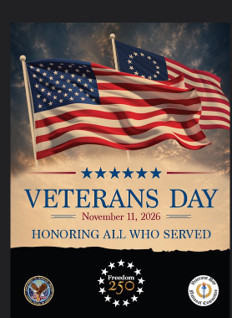
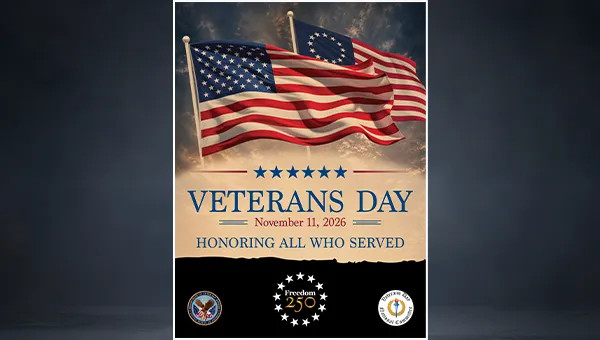
The proposal to change the date of Veterans Day highlights the ongoing debate about how best to honor our veterans. While the change could increase public participation, it risks diluting the historical and emotional significance of the day. As we approach Veterans Day 2026, it is crucial to remember the true meaning of the day and to honor our veterans with the respect and gratitude they deserve.Your questions, answered
Why is Veterans Day traditionally on November 11?
It marks the end of World War I and honors the sacrifices of those who served.
What are the arguments for moving Veterans Day to a weekend?
Proponents say a weekend could increase public participation and awareness of the holiday.
Why do veterans oppose changing the date?
They believe moving it would undermine the solemnity and historical significance of the day.
Quick poll
Should Veterans Day be moved to a weekend?
0 votes
How does this story make you feel?
Topics
 Up next · PoliticsUSPS Closes on Veterans Day, Private Carriers Keep Delivering