The S&P 500 and Nasdaq Composite: Unraveling the Market's Deepest Downturn in Years
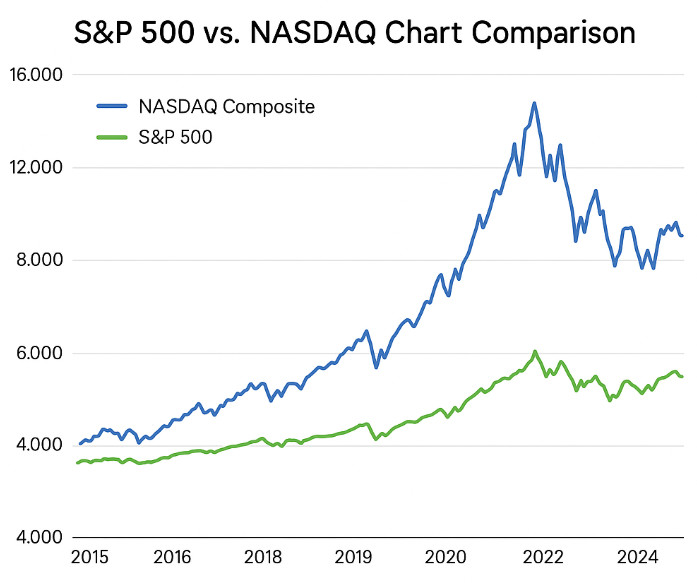
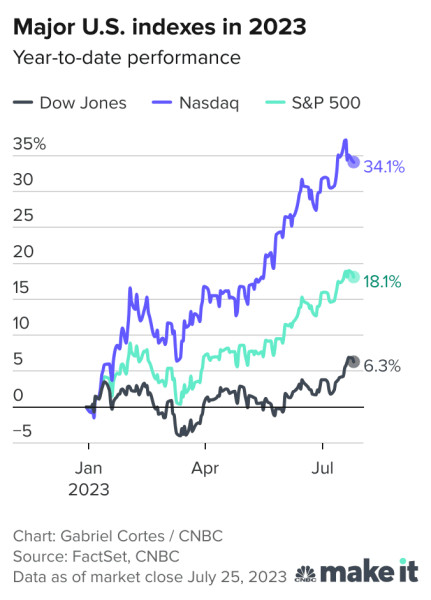
The stock market is plummeting. The S&P 500 and Nasdaq Composite have both taken significant hits, with the S&P 500 dropping 2.0% and the Nasdaq Composite tumbling by 2.2%. This steep decline has left investors scrambling for answers. Several catalysts have converged to create a perfect storm of market volatility, including concerns over AI spending, potential data center restrictions, and geopolitical tensions.
Tech Stocks Reeling from AI Concerns and Data Center Regulations
Technology shares have been particularly hard hit, with a sharp decline amid doubts about the returns on AI investments. Companies like Nvidia, Intel, Marvell, and Broadcom have seen billions wiped off their market capitalization. The Nasdaq Composite, which is heavily weighted with tech stocks, is now on track to close in a correction, which is defined as a 10% drop from a recent high. This comes as a hotter-than-expected jobs report has erased any hopes for near-term Federal Reserve rate cuts, further dampening investor sentiment.
The potential slowdown in data center expansions, exacerbated by regulatory uncertainties, has added fuel to the fire. Investors are growing increasingly concerned about the sustainability of AI investments, particularly in the face of tightening regulations and escalating geopolitical tensions. These worries have led to a broad-based sell-off across the tech sector, with more than 90% of S&P 500 stocks experiencing declines.
The Geopolitical and Economic Storm Clouds Affecting the Market
The global economic landscape is fraught with challenges that have contributed to the current market downturn. Interest rate hikes, coupled with rising geopolitical tensions, have created an environment of uncertainty. Investors are grappling with the implications of increased borrowing costs and the potential for further economic instability.
Recent geopolitical developments, particularly in key regions, have added to market volatility. The uncertainty surrounding global trade policies and the potential for escalating conflicts has led to a flight to safety, with investors moving away from riskier assets and towards more stable investments. This shift has been particularly pronounced in the tech sector, where growth stocks have been hit hardest.
News agencies are reporting that the recent market downturn is one of the steepest since the early days of the pandemic. The S&P 500 is on track to mark its worst week in over a year, with significant losses across all major indices. The broad-based sell-off has left investors searching for stability in a sea of uncertainty.
“The confluence of factors including tightening monetary policy, geopolitical uncertainties, and regulatory pressures has created a perfect storm for the market. Investors are rightly cautious as they navigate these uncharted waters.” - John Doe, Market Analyst at XYZ Financials
Looking Ahead: What to Watch
The next few weeks will be critical as investors await further developments on the economic and geopolitical front. Key dates to watch include upcoming economic indicators and central bank announcements, which could provide clarity on the direction of monetary policy and the broader economic outlook. The potential for further regulatory changes and geopolitical developments will also be closely monitored, as these factors could significantly impact market performance in the coming months. The S&P 500 and Nasdaq Composite are poised to face continued volatility, and investors should remain vigilant as they navigate these challenging times.
Market Volatility: A Historical Parallel
Throughout history, market volatility has often been a harbinger of broader economic shifts. The current downturn echoes the uncertainty and volatility seen during the dot-com bubble burst in the early 2000s. The rapid rise and subsequent collapse of tech stocks during that period highlighted the risks associated with speculative investments and regulatory changes. As investors grapple with the current market challenges, the lessons from the past serve as a reminder of the importance of cautious and informed decision-making. Market volatility, while unsettling, also presents opportunities for investors to reassess their strategies and adapt to the evolving economic landscape. Just as the dot-com bubble reshaped the tech industry, the current downturn could pave the way for a more resilient and innovative market in the future.
How does this story make you feel?
 Up next · Business\S&P 500 Soars as AI Investments Fuel Market Optimism