The Unexpected Halt: National Ground Stop Orders All US Airports to Cease Departures

The Federal Aviation Administration (FAA) has imposed a nationwide ground stop, bringing air traffic to a grinding halt across all U.S. airports. The directive, issued in response to an equipment outage affecting most air traffic control facilities, has left travelers and aviation professionals scrambling for answers and updates. Nationwide ground stops are rare, and this sudden stoppage has sent shockwaves through the aviation industry, raising questions about the underlying cause and the potential impact on air travel.
What Does a National Ground Stop Mean?
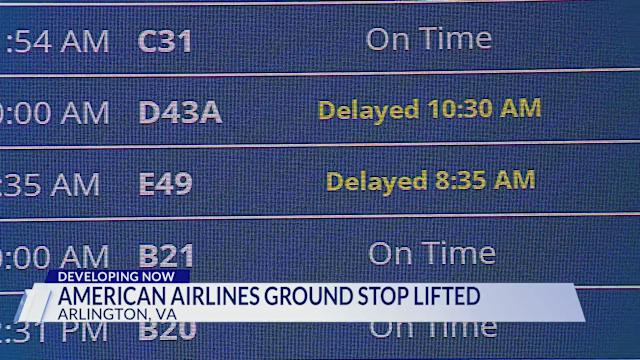
When the FAA orders a ground stop, it halts all departing flights at their origin airports. This directive ensures that no new flights take off until the issue is resolved, preventing further congestion and potential hazards in the airspace. The recent ground stop, affecting all airports under the FAA's jurisdiction, signifies a severe disruption in the National Airspace System (NAS). This decision is prompted by extraordinary circumstances, which, in this case, involves a widespread equipment outage.
Ground stops are typically implemented to address immediate safety concerns, such as severe weather conditions or technical malfunctions. However, the scale of this outage is unprecedented, affecting nearly all air traffic control facilities across the country. This means that passengers and airlines are facing significant delays, cancellations, and uncertainty regarding when normal operations will resume.
The Impact on Travelers and Airlines
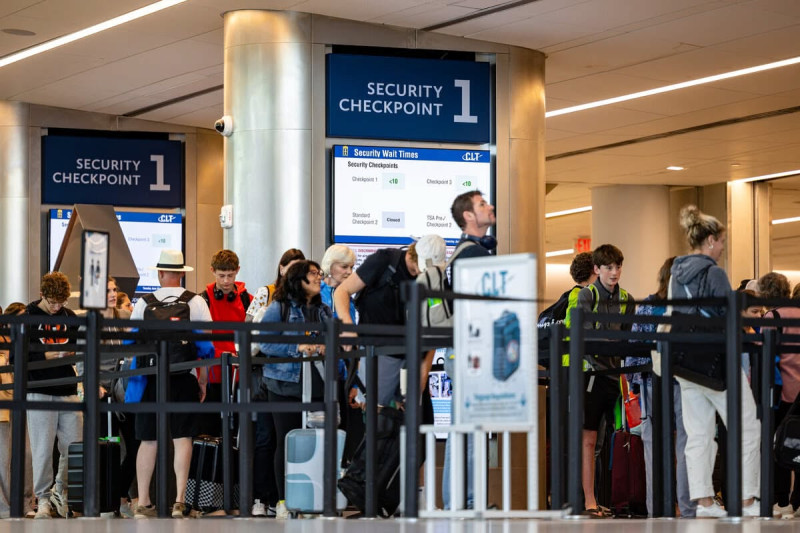
The immediate effects are far-reaching. Thousands of passengers are stranded at airports, unable to depart as scheduled. Airlines are working tirelessly to reroute flights and accommodate passengers, but the sheer volume of disrupted flights poses a monumental challenge. The FAA's decision to halt all departures is a precautionary measure to ensure safety, but it also underscores the widespread nature of the equipment failure.
Travelers are advised to check the live FAA status and updates frequently. The latest information can be found on the FAA's website and other real-time tracking platforms, which provide detailed maps of ground stops, delays, and closures. These resources offer a minute-by-minute update on the situation, helping passengers make informed decisions about their travel plans.
The FAA is working diligently to restore normal operations as quickly as possible. However, the complexity of the equipment failure suggests that a return to normalcy may take some time. The aviation industry is no stranger to disruptions, but the nationwide ground stop serves as a stark reminder of the fragile balance between technology and human systems in air travel.
“This is an unprecedented challenge for the FAA and the aviation industry as a whole. The ground stop is a necessary precaution, but the impact on travelers and airlines will be significant. We are working around the clock to resolve the issue and restore normal operations,” said an FAA spokesperson.
Looking Ahead: What Comes Next?
As the FAA continues to investigate the cause of the equipment outage, travelers and airlines are left to navigate the aftermath. The FAA's decision to impose a nationwide ground stop highlights the importance of robust and redundant systems in aviation. This incident will likely prompt a thorough review of safety protocols and infrastructure, aiming to prevent similar disruptions in the future.
Think again about the resilience of our air transportation system. As the world becomes increasingly interconnected, the reliance on seamless air travel has grown exponentially. The current halt serves as an alarm bell, a reminder of the vulnerabilities inherent in our systems. As we await the FAA's resolution and the resumption of normal operations, the voices of travelers and aviation professionals will be critical in shaping the future of air travel.
One thing is clear: the aviation industry will emerge from this challenge stronger and more resilient. The national ground stop is not just an inconvenience; it is a test of our preparedness and adaptability. The question remains: how will we adapt to ensure that future ground stops are avoided, and air travel remains a safe and efficient mode of transportation for all?
How does this story make you feel?
 Up next · PoliticsNvidia CEO Jensen Huang's Affair Scandal Puts Spotlight on Lori Huang