O'Hare Ground Stop: Staffing Struggles Snarl Air Travel at World's Busiest Airport
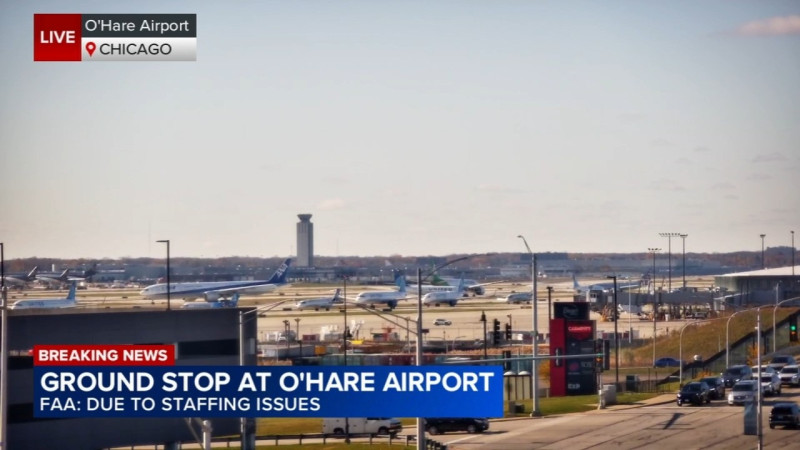
Chicago O'Hare International Airport is often the epicenter of a complex ballet of technology, logistics, and human effort. But as the nation's busiest airport, O'Hare has seen an unexpected waltz: a ground stop that has snarled both arrivals and departures, throwing off the delicate choreography of air travel.
Staffing Issues Trigger O'Hare Ground Stop
Staffing constraints have been a recurring theme in recent times, and it has again impacted operations at O'Hare. The Federal Aviation Administration (FAA) issued a ground stop recently to halt departing flights. The disruption was a stark reminder of the fragile equilibrium that keeps air travel moving smoothly.
The ground stop, which lasted roughly an hour and a half, was triggered by staffing issues. The FAA issued the order at 10:40 a.m. and lifted it at 12:15 p.m.. This move was part of a broader challenge that the FAA has faced in recent times, which includes a nationwide ground stop earlier this month. The incident at O'Hare highlights the broader challenges faced by airlines and airports as they navigate a difficult period for the aviation industry.
Impact on Travelers and the Aviation Industry
O'Hare's ground stop is a microcosm of the broader challenges facing the aviation industry. The FAA's nationwide ground stop on November 13 was a stark reminder of the reliance on technology and communication systems to keep the skies open. The ground stop affected flights nationwide, highlighting the interconnectedness of the air travel system. The O'Hare ground stop is just one example of the broader challenges the aviation industry is facing.
The aviation industry is at a crossroads, with challenges ranging from staffing issues to technological failures. The recent incidents at O'Hare, as well as the nationwide ground stop, are just the latest examples of the broader challenges facing the industry. As the aviation industry continues to evolve, it will be crucial for airlines and airports to adapt to these challenges and find new ways to keep the skies open. The recent incidents at O'Hare, as well as the nationwide ground stop, are just the latest examples of these broader challenges. As the aviation industry continues to evolve, it will be crucial for airlines and airports to adapt to these challenges and find new ways to keep the skies open.
Looking Ahead to a Busier Travel Season
The O'Hare ground stop comes at a particularly challenging time for the aviation industry. With the holiday season approaching, travel demand is expected to surge, putting additional pressure on an already strained system. The FAA's struggles with staffing and technological issues highlight the need for a more resilient and adaptable aviation infrastructure.
The recent incidents at O'Hare, as well as the nationwide ground stop, are just the latest examples of the broader challenges facing the aviation industry. As the aviation industry continues to evolve, it will be crucial for airlines and airports to adapt to these challenges and find new ways to keep the skies open.
The O'Hare ground stop is a reminder of the delicate balance that keeps air travel moving smoothly. As the aviation industry continues to evolve, it will be crucial for airlines and airports to adapt to these challenges and find new ways to keep the skies open. The recent incidents at O'Hare, as well as the nationwide ground stop, are just the latest examples of these broader challenges. As the aviation industry continues to evolve, it will be crucial for airlines and airports to adapt to these challenges and find new ways to keep the skies open.
Staffing constraints, technological failures, and the interconnected nature of the aviation industry have all played a role in the recent incidents at O'Hare. As the industry continues to evolve, it will be crucial for airlines and airports to adapt to these challenges and find new ways to keep the skies open. The recent incidents at O'Hare, as well as the nationwide ground stop, are just the latest examples of these broader challenges. As the aviation industry continues to evolve, it will be crucial for airlines and airports to adapt to these challenges and find new ways to keep the skies open.
How does this story make you feel?
 Up next · WorldBitcoin Price Today: Understanding the Latest Market Dynamics