FAA expands AI‑powered SMART system nationwide
The FAA has rolled out its AI‑driven Strategic Management of Airspace, Routes and Trajectories (SMART) system across U.S. airspace to cut delays and improve safety, amid calls for more testing.

Key points
- FAA deployed SMART across national airspace to reduce delays and enhance safety.
- SMART uses real‑time data on weather, flight paths, traffic flow and staffing to predict conflicts.
- Lawmakers urged a pause for further evaluation and testing of the system.
- The ATC union was not fully involved in the rollout, raising stakeholder concerns.
- Critics warn of potential glitches that could worsen traffic issues if not rigorously tested.
FAA deployed AI-powered SMART system across US airspace, aiming to reduce delays, optimize capacity, and enhance safety.
SMART System: Revolutionizing Air Traffic Management
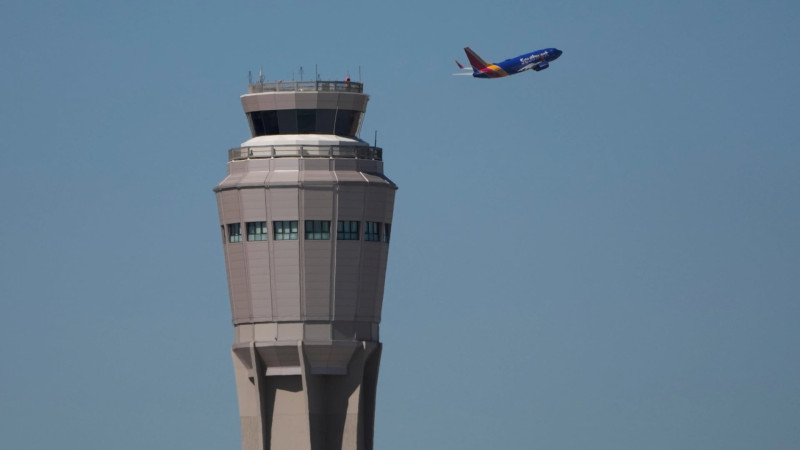
The Federal Aviation Administration (FAA) has recently expanded the use of its AI-powered Strategic Management of Airspace, Routes and Trajectories (SMART) system across the entire national airspace. This move is part of a broader effort to enhance air traffic control and mitigate delays across the United States. The SMART system, launched earlier this year, integrates data on weather patterns, flight paths, traffic flow, and controller staffing metrics to predict and manage air traffic more efficiently.
SMART System: The Tools and Capabilities
The SMART system utilizes advanced algorithms to analyze and synthesize vast amounts of data in real-time. This predictive capability allows air traffic controllers to anticipate and address potential conflicts before they occur, thereby reducing the risk of delays and cancellations.
By consolidating information into a central system, SMART aims to optimize airspace usage, ensuring that aircraft can take the most efficient routes. This not only improves safety but also has the potential to lower airfares by reducing operating costs for airlines.
However, the deployment of SMART has not been without controversy. Aviation experts have expressed skepticism about the system's effectiveness, raising concerns about potential glitches and the need for rigorous testing before full implementation.
Challenges and Controversies
Despite the promising capabilities of the SMART system, its rollout has faced criticism from various quarters. A group of 25 lawmakers recently urged the FAA and the U.S. Department of Transportation to pause the use of the SMART system until further evaluations and testing are conducted to ensure its reliability and effectiveness.
The concerns stem from the potential for system malfunctions or inefficiencies that could exacerbate air traffic issues rather than resolve them. Moreover, the rapid deployment of the SMART system has left out the Air Traffic Control (ATC) union, which has not been fully integrated into the development and implementation process.
This oversight has raised questions about the collaborative efforts and stakeholder involvement in the FAA's modernization initiatives. The lack of union involvement suggests a need for more inclusive decision-making processes to ensure that all relevant parties are on board with the changes. The implementation of the SMART system in recent times underscores the urgency of addressing these concerns to maintain public trust and operational efficiency.
These critical questions about the FAA's AI-driven air traffic management system are sure to be addressed in the coming weeks.
Your questions, answered
What is the FAA's SMART system?
SMART stands for Strategic Management of Airspace, Routes and Trajectories, an AI‑powered tool that analyzes weather, flight paths, traffic flow and staffing to predict and manage air traffic.
Why are lawmakers calling for a pause in SMART deployment?
They want more testing to ensure the system’s reliability and effectiveness, citing concerns about possible glitches and inefficiencies.
Quick poll
Should the FAA pause SMART deployment for further testing?
0 votes
How does this story make you feel?
Topics
 Up next · TechBMW owners urged to park outside due to fire risk