Tanker hits docked riverboat in New Orleans, 30 injured
A tanker carrying crude oil collided with the American Heritage riverboat at the Port of New Orleans, submerging part of the vessel and injuring 30 people. The incident prompted a rapid rescue effort by local authorities and the U.S. Coast Guard.
Key points
- Tanker Atlantic Asphalt struck the docked American Heritage riverboat near the Port of New Orleans.
- The collision caused partial submersion and injured about 30 people, 32 hospitalized.
- Emergency crews, the U.S. Coast Guard, and local authorities coordinated a rescue that evacuated all passengers.
- The incident raises questions about riverboat safety protocols and emergency response.
- Investigations will focus on enhancing safety measures for future operations.
Imagine the Mississippi River, a lifeline of the city, now a scene of chaos. Passengers and crew members on board the American Heritage riverboat were jolted into a frightening reality as a tanker collided with their vessel, partially submerging it. This is not a Hollywood script; it is the reality that unfolded recently in New Orleans, one of the city's busiest ports, where cruise ship operations have become synonymous with both tourism and danger.
The Collision: Unraveling the Details
The collision occurred near the Port of New Orleans, a crucial hub for trade and tourism in the region. The tanker struck the American Heritage riverboat, which was docked at the time of the incident. This collision is the latest in a string of riverboat incidents in the area, raising questions about safety protocols and emergency response measures.
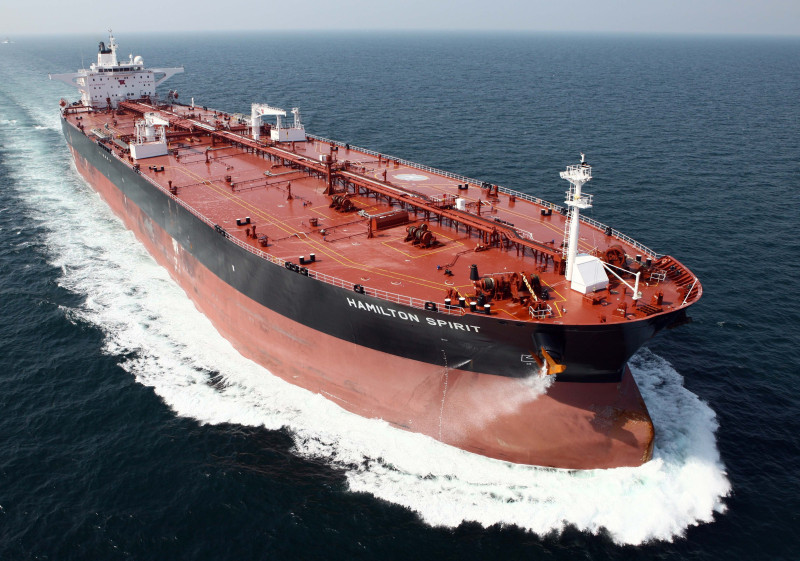
The tanker that collided with the riverboat was carrying crude oil, adding an additional layer of complexity to the rescue operation. The Mississippi River, while a vital waterway, also presents unique challenges due to its heavy commercial traffic and the risk of hazardous material spills. The tanker, identified as the Atlantic Asphalt, collided with the docked riverboat, causing significant damage and leading to the submergence of a portion of the vessel.
Rescue Efforts: A Race Against Time
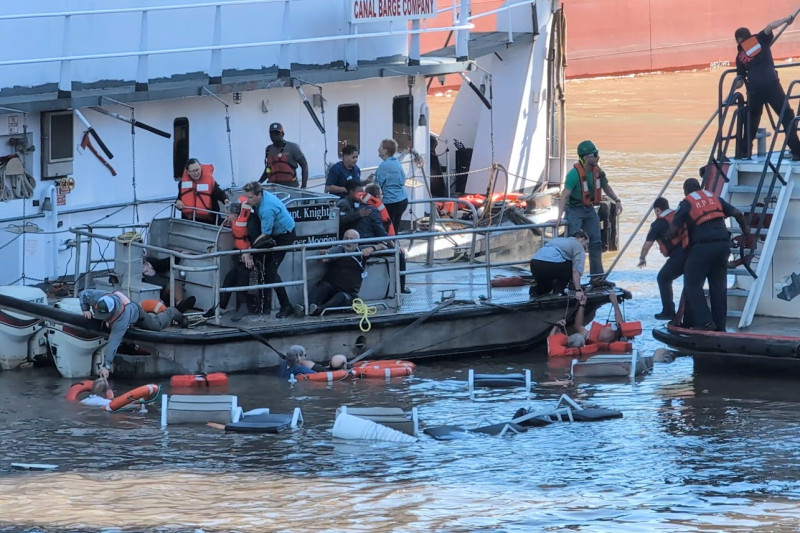
Emergency crews responded swiftly, launching a massive rescue effort in the Mississippi River. Around 30 people were injured in the collision, with 32 individuals requiring hospitalization. The quick response by emergency services ensured that all passengers and crew members were accounted for, and the injuries, while numerous, were not critical.
The rescue operation included a coordinated effort by local authorities, the U.S. Coast Guard, and other emergency services. The riverboat was partially submerged, adding to the urgency of the operation. The swift action of the rescue teams highlighted the importance of preparedness and the effectiveness of emergency protocols.
In the fluorescent glare of the briefing room, the hum of phones buzzing in pockets, and the frantic call of emergency dispatchers filled the air. The rescue operation, a testament to the resilience and preparedness of the emergency services, ensured that all passengers were safely evacuated. — A testament to the resilience and preparedness of the emergency services.
The Aftermath: Safety and Accountability
The collision has raised critical questions about the safety measures in place for riverboat cruises in New Orleans. The Port of New Orleans, a bustling hub for trade and tourism, must now address the concerns of both passengers and industry stakeholders about the safety of these operations. The incident serves as a stark reminder of the cruise ship collision and the potential risks involved in river transportation.
The collision has also highlighted the need for enhanced safety measures and better coordination between various stakeholders, including port authorities, emergency services, and cruise operators. The incident serves as a wake-up call for the industry to prioritize safety and preparedness, ensuring that such tragedies can be averted in the future.
In the aftermath of the collision, the focus now shifts to ensuring that similar incidents are prevented in the future. The Port of New Orleans, along with other stakeholders, is committed to conducting a thorough investigation and implementing necessary safety measures. The incident serves as a reminder of the potential risks and the importance of preparedness in the face of such emergencies.
The rescue operation, a testament to the resilience and preparedness of the emergency services, ensured that all passengers were safely evacuated. — A testament to the resilience and preparedness of the emergency services, ensured that all passengers were safely evacuated.
Your questions, answered
What caused the collision between the tanker and the riverboat?
The tanker, carrying crude oil, struck the docked American Heritage riverboat at the Port of New Orleans.
How many people were injured in the incident?
Around 30 people were injured, with 32 individuals requiring hospitalization.
Quick poll
Should New Orleans increase safety regulations for riverboat operations?
0 votes
How does this story make you feel?
Topics
 Up next · WorldGunman kills gym manager, injures five before dying in standoff