The Strait of Hormuz, a global chokepoint for oil transport, is again in the spotlight after a recent incident involving oil tankers. This vital waterway, squeezed between Iran and the Arabian Peninsula, conducts a significant portion of the world's oil supply every day, serves up a dose of geopolitical tension. International shipping lanes are on edge, and the shipping industry is bracing for the repercussions.
The Strait of Hormuz: A Vital Artery for Global Oil Supplies
The Strait of Hormuz is often referred to as the world's most important oil chokepoint, as roughly 20% of all oil traded worldwide passes through its narrow waters. This narrow, 21-mile-wide passage is a critical link in the global oil supply chain, connecting the Persian Gulf to the Arabian Sea and beyond. The Strait's strategic importance is not limited to oil; it also serves as a key route for natural gas and other petroleum products, making it a linchpin in the global energy market.
The Recent Incident
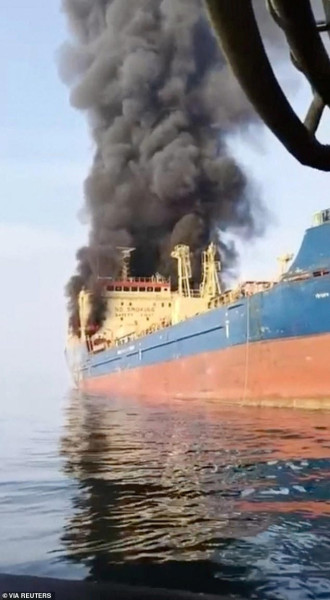
The hull of an oil tanker recently sailed through the Strait of Hormuz was reportedly breached by an unknown object, prompting fears of a potential escalation in the region. This incident adds to the ongoing tensions that have plagued the Strait of Hormuz in recent years, with various actors, including Iran and regional navies, involved in skirmishes and sabotage attempts. The exact cause of the breach remains under investigation, but the implications are clear: the Strait of Hormuz is once again on high alert.
This latest incident occurred as the tanker was navigating the sensitive waters, highlighting the persistent risk of maritime sabotage and piracy. The tanker, laden with crude oil bound for international markets, was reportedly struck by an unidentified object, causing significant damage to its hull. Fortunately, the crew remained safe, and the vessel was able to make it to a nearby port for repairs. Nevertheless, the incident underscores the fragility of the Strait's security and the potential for disruption in global oil supplies.
The Strait of Hormuz is a tinderbox. Any incident, no matter how small, can quickly escalate into a major crisis, affecting not just the region but the global economy. The recent tanker incident is a stark reminder of the constant threat that looms over this vital waterway. - Analyst
The Strait of Hormuz has been a flashpoint for geopolitical tensions for decades, with various actors vying for control over this strategic waterway. The recent incident involving an oil tanker is the latest in a series of events that have kept the global community on edge. The narrow passage, which separates Oman and Iran, is a critical link in the global oil supply chain, and any disruption can have far-reaching consequences.
Global Consequences: The Ripple Effect of the Strait's Instability
Recent tensions in the Strait of Hormuz have sent shockwaves through the global oil industry, causing fluctuations in oil prices and supply chains. The latest incident involving an oil tanker has further exacerbated these concerns, as markets brace for potential disruptions. The Strait's instability has led to increased insurance premiums and rerouting of ships, adding to the operational costs for shipping companies. The situation has also prompted calls for enhanced security measures and international cooperation to safeguard this critical waterway.
The Strait of Hormuz, a vital artery for global oil supplies, is once again under scrutiny after an oil tanker incident highlights the persistent risks and geopolitical tensions surrounding this strategic waterway. As the investigation into the incident continues, the global community watches with bated breath, hoping for stability in a region that remains a critical linchpin in the global energy market.