Iran strikes US radar in Bahrain in retaliation for strike on Sirik
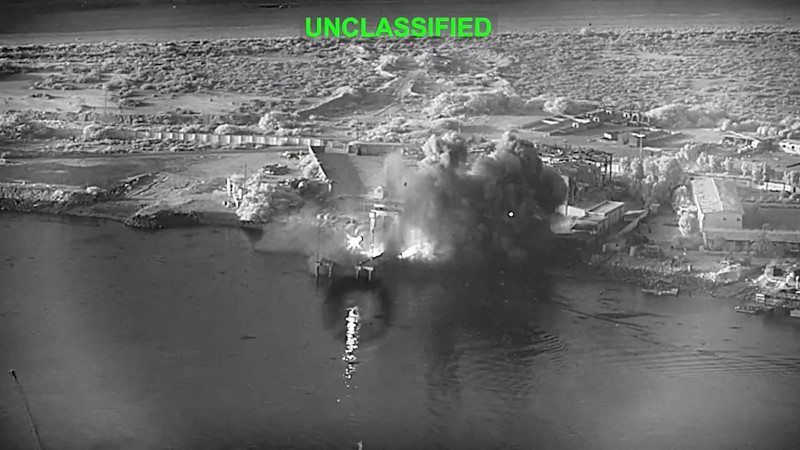
Iran's Islamic Revolutionary Guard Corps said it hit a U.S. early‑warning radar in Bahrain as a direct response to a U.S. airstrike on a communications tower in Iran's Sirik, raising concerns about Gulf stability and global energy security.
Key points
- Iran's IRGC claimed responsibility for hitting a U.S. early‑warning radar in Bahrain.
- The attack was presented as retaliation for a U.S. strike on a communications tower in Sirik, Iran.
- Bahrain hosts key U.S. military radar installations that monitor the strategic Strait of Hormuz.
The world's eyes are on Bahrain today as a series of recent events unfold. The small island nation, often overshadowed by its larger Gulf neighbors, has become a flashpoint in the ongoing geopolitical tensions between Iran and the United States. The Islamic Revolutionary Guard Corps (IRGC) of Iran has claimed responsibility for a strike on a US early-warning radar in Bahrain. This move comes as a direct response to a US airstrike on a communications tower in Iran's Sirik, a strategic location overlooking the crucial Strait of Hormuz. The IRGC's statement, issued early Friday, marks a significant escalation in the region's instability.
Understanding the Escalating Tensions in the Persian Gulf
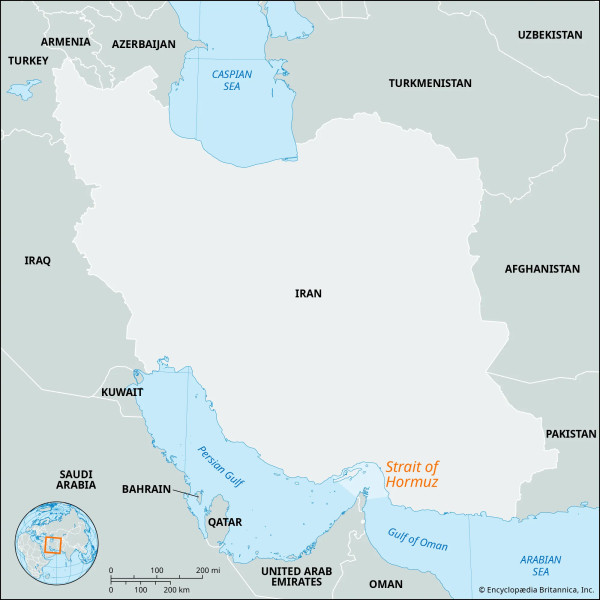
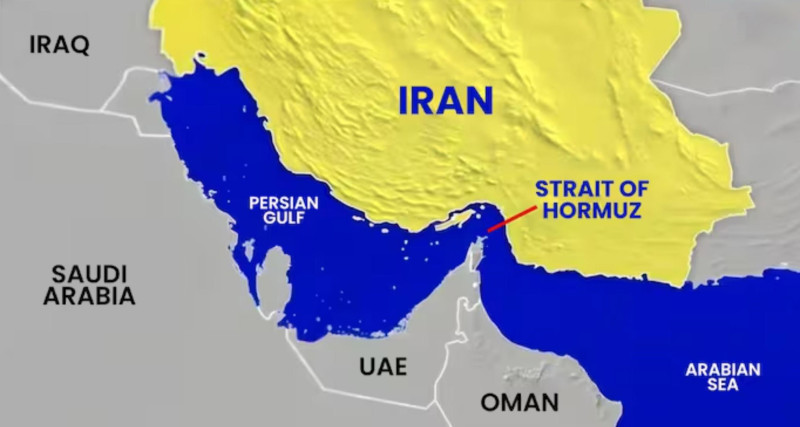
The Strait of Hormuz, a narrow waterway between Iran and the Arabian Peninsula, is one of the world's most critical chokepoints for oil transit. Control of this strategic passage is crucial for global energy security, making it a hotspot for geopolitical maneuvering. The recent strike on Sirik, a county in Iran's Hormozgan province, underscores the heightened tensions in the region. The attack, characterized by Iranian state media as an 'enemy strike,' has set the stage for retaliatory actions. In response, the IRGC targeted a US early-warning radar in Bahrain, a move that has sent shockwaves through the international community. The exchange marks renewed skirmishes after several days of relative calm, and the pattern suggests a broader campaign by Iran to assert control over the Hormuz Strait.
Impact on Regional Stability and Global Energy Security
Bahrain, though tiny, is a vital hub for US military operations in the Middle East. The presence of US early-warning radar installations in the country highlights its strategic importance. The IRGC's claim to have targeted and destroyed this radar underscores the potential for further escalation. The US has not yet responded to these claims, leaving the international community in a state of uncertainty. The destabilizing effect of this incident on regional stability cannot be overstated, with the potential to disrupt global energy supplies and ignite a broader conflict. The situation raises critical questions about the effectiveness of current diplomatic efforts and the need for a more robust international response to prevent further deterioration.
"In recent times, the Strait of Hormuz has become a symbol of the broader geopolitical tensions between Iran and the US. The recent events in Bahrain and Sirik underscore the need for careful diplomacy to prevent further escalation." - Expert Commentary
The Strategic Significance of Bahrain and the Strait of Hormuz
Bahrain and the Strait of Hormuz are pivotally linked in the broader narrative of regional security and global energy dynamics. The US military presence in Bahrain is not merely a contingency measure; it's a strategic counterweight to Iran's ambitions in the Gulf. The US radar installations in Bahrain serve as early-warning systems, providing crucial intelligence and deterrence against potential threats. The IRGC's decision to target these installations is a bold move, signaling Iran's willingness to challenge US influence directly. The strategic significance of the Strait of Hormuz, through which a significant portion of the world's oil supply passes, cannot be underestimated. Any disruption in this critical waterway could have catastrophic consequences for the global economy. The recent events highlight the delicate balance of power in the region and the potential for rapid escalation. Think again about the stability of the Middle East, a region that has long been a flashpoint for global conflict.
Gone. The calm that had briefly settled over the region has been shattered, replaced by a renewed sense of urgency and uncertainty. The events in Bahrain and Sirik serve as a stark reminder of the volatile nature of geopolitics in the Persian Gulf, where strategic interests and national ambitions collide with devastating consequences. What does the future hold for this region? Nobody saw this coming.
Your questions, answered
Why did Iran target a U.S. radar in Bahrain?
Iran said the radar strike was a direct response to a U.S. airstrike on a communications tower in Sirik.
What was the U.S. action that prompted Iran's retaliation?
The United States carried out an airstrike on a communications tower in Sirik, a county in Iran's Hormozgan province.
Quick poll
Do you think the recent attacks will increase tensions in the Gulf region?
0 votes
How does this story make you feel?
Topics
 Up next · PoliticsMilitary bases must sustain operations for 90 days during power outages