Iranian Drone Strikes Escalate Tensions in the Gulf: Latest Developments
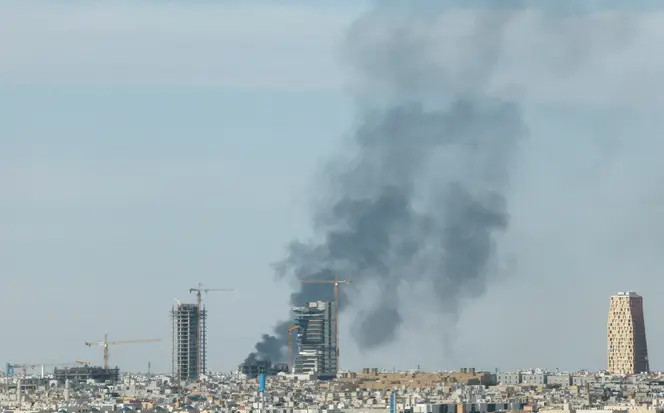
In a dramatic escalation of hostilities in the Persian Gulf, Iran has launched a series of drone attacks targeting U.S. military bases in Kuwait and Bahrain. This latest round of Iranian drone strikes has raised concerns about the escalating conflict and the potential for wider regional instability. The Iranian attacks come in response to recent U.S. strikes on an Iranian missile site, setting the stage for a potential full-blown war in the region.
Drone Attacks on Kuwait and Bahrain: What Happened?
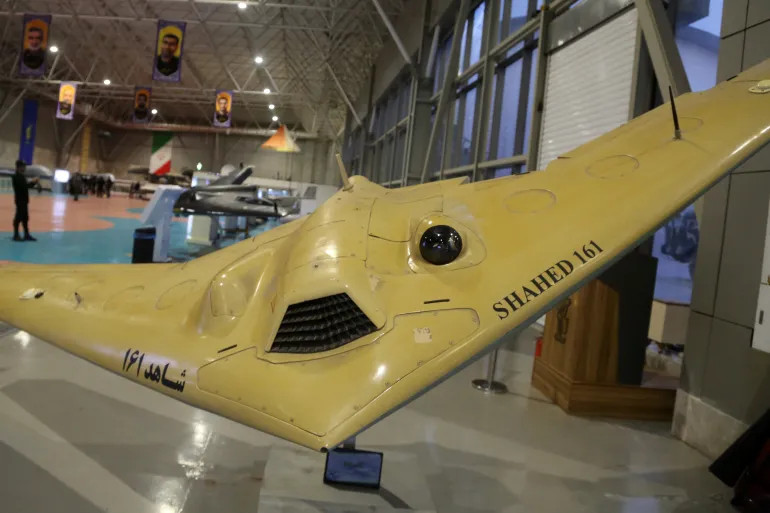
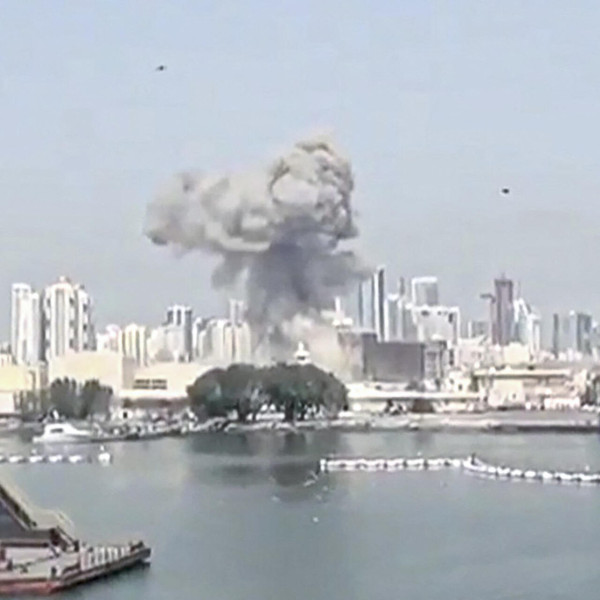
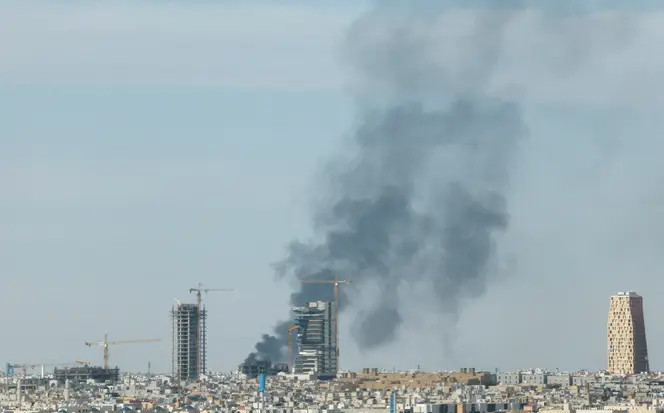
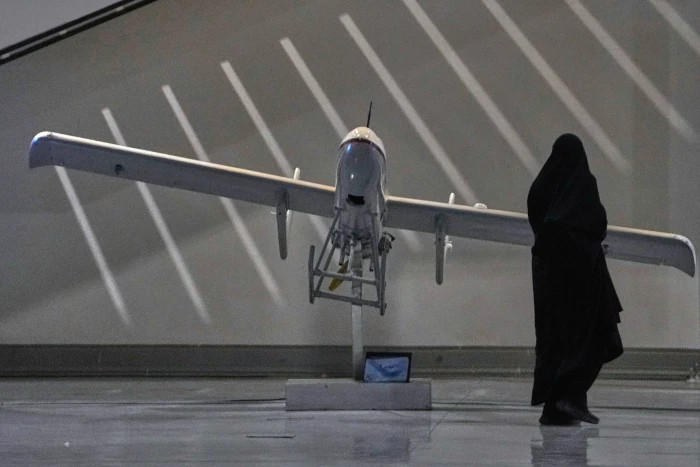
Recent reports indicate that Iran has intensified its attacks on Gulf neighbors, with U.S. bases in Kuwait and Bahrain being the primary targets. Kuwait’s military reported intercepting hostile drones, while Bahrain’s defense systems were also activated to counter the aerial threats. The Iranian army claimed responsibility for the attacks, stating that their "combat destruction drones" successfully targeted U.S. Patriot air defense systems and other military assets in Kuwait. This is the latest in a series of tit-for-tat strikes that have characterized the ongoing conflict between Iran and the United States.
US Response and Regional Implications
The U.S. has not remained idle in the face of these Iranian drone strikes. In retaliation, U.S. fighter jets conducted strikes on a missile launch site on Iran’s Qeshm Island. This move by the U.S. came after Kuwait reported intercepting a wave of hostile drones. The U.S. strikes on Qeshm Island are part of a broader strategy to curb Iran’s missile capabilities and send a clear message to Tehran. The recent attacks have left eleven injured and one crew member missing, further escalating the humanitarian toll of the conflict. Bahrain, in particular, has been on high alert, intercepting multiple drones targeting U.S. radar systems. Notably, Bahrain repelled another wave of Iranian aerial strikes earlier, when the Iranian Revolutionary Guard Corps (IRGC) claimed responsibility for targeting a radar system at the Al-Riffa helicopter base.
Analyzing the Escalating Conflict: A Balancing Act
While the Iranian drone strikes have undoubtedly raised tensions, it is crucial to consider the broader geopolitical context. The Middle East has long been a hotbed of conflict, and the current hostilities are a continuation of long-standing tensions between Iran and the U.S. The recent attacks come as peace talks between Tehran and Washington are in limbo, raising questions about the future of diplomatic efforts in the region.
One counter-argument to the escalation of military action is the potential for diplomatic resolution. Some experts argue that continued military strikes could derail any chances of a peaceful settlement, leading to a prolonged and potentially more devastating conflict.
Moreover, the Iranian drone strikes highlight the evolving nature of modern warfare, where drones and missiles have become vital tools in military strategy. The use of drones allows for precision strikes with minimal risk to human life, making them an attractive option for both sides. However, the effectiveness of air defense systems in countering these threats remains a critical factor in the ongoing conflict.
"The current situation in the Gulf is a stark reminder of the delicate balance of power in the region. The use of drones and missiles has changed the dynamics of warfare, and it is essential for all parties involved to consider the long-term implications of their actions," said a senior defense analyst.
According to available reports, the recent attacks on Kuwait and Bahrain have not only targeted U.S. military assets but also civilian infrastructure, raising concerns about the humanitarian impact of the conflict. Furthermore, the Iranian military's claim that its drones successfully hit U.S. Patriot air defense systems underscores the advancing capabilities of modern drone technology.
As the situation continues to develop, it is clear that the Iranian drone strikes targeting U.S. bases in Kuwait and Bahrain are part of a broader strategic game being played out in the Gulf. The data is damning: the use of drones and missiles is not just a tactical choice but a reflection of the evolving nature of modern warfare. Let’s not kid ourselves, the stakes are high, and the region is on the brink of a potential full-scale conflict.
How does this story make you feel?
 Up next · PoliticsPalm Beach County Schools Weather Warning - Recent Storm Forecast