Debunking the November 17 Blackout Rumors: What You Need to Know
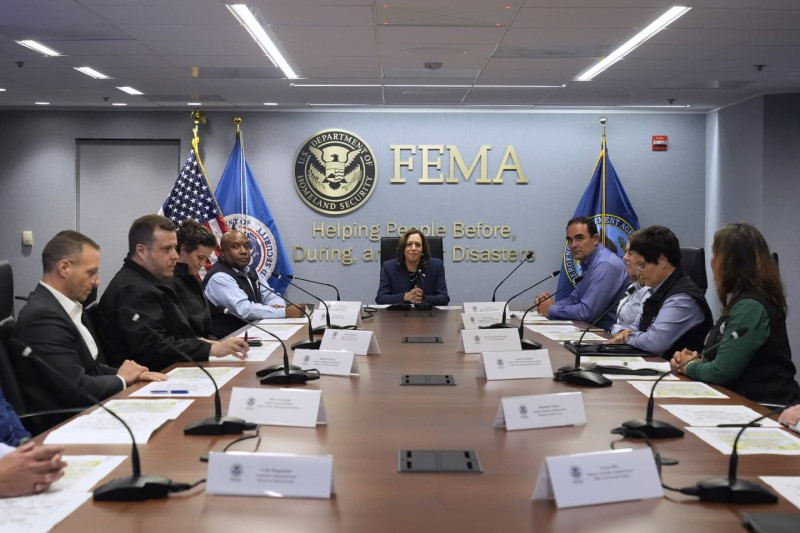
The buzz across the nation is palpable as rumors of an impending nationwide blackout on the 17th of November 2026 have been sweeping through social media and news outlets alike. However, let's not kid ourselves, the truth is far less dramatic. The blackout rumors are just that—a myth, fueled by misinformation and a healthy dose of paranoia. The actual event planned for this date is a straightforward test of the Emergency Alert System (EAS) by the Federal Emergency Management Agency (FEMA) and the Federal Communications Commission (FCC).
Understanding the EAS Test: What’s Real and What’s Not
On the 17th of November 2026, FEMA and the FCC will conduct a nationwide test of the Emergency Alert System (EAS). This test is a routine procedure designed to ensure that the alert system functions correctly in the event of a genuine emergency. The test is scheduled for approximately 2:20 p.m. ET and will last about a minute, affecting both TV and radio broadcasts across the country. The rumors hinting at a nationwide blackout or a 90-day power outage are entirely unfounded and have been debunked by multiple sources, including FEMA and the FCC.
Fact-Checking the Blackout Rumors: Where Did They Come From?
The rumors of a 90-day blackout have been circulating widely on social media platforms, with viral posts suggesting that the world will go dark on the 17th of November 2026. These claims are entirely baseless. The truth is that no government agency or utility has announced any such plans, and the source of these rumors appears to be a misunderstanding or deliberate misinformation. In recent times, FEMA has emphasized that the upcoming test is a standard procedure aimed at maintaining public safety and ensuring that the alert system works as intended.
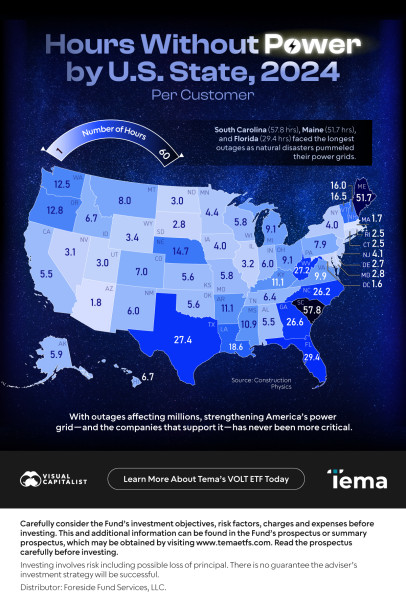
Here’s what nobody’s asking: Why is this test happening now, and why is there so much confusion? The answer lies in the need to regularly test emergency systems to ensure they are operational during real crises. The data is damning; previous tests have shown the importance of preparing for emergencies, and the public’s reaction to these tests helps authorities understand how to improve communication strategies during actual emergencies. The misinformation around the blackout rumors is a stark reminder of how easily fear can spread in the digital age. Social media platforms have become breeding grounds for such rumors, and it is crucial for the public to rely on credible sources for information.
The Impact of the Rumors: Public Perception and Preparedness
Despite the test’s benign nature, the blackout rumors have sparked significant public concern. Some people are stockpiling supplies, while others are simply anxious about the potential disruption. It is essential to recognize that while the rumors are unfounded, they do highlight an underlying fear of power outages and emergencies. This fear can be channeled positively by using the test as an opportunity to prepare for real emergencies. FEMA and other agencies encourage citizens to use this time to review their emergency plans, stock up on essentials, and stay informed.
The rumors of a nationwide blackout on the 17th of November 2026 can be seen as a counter-argument to the idea that the public is well-prepared for emergencies. While the rumors themselves are false, they reveal a level of public concern that should be addressed. The test serves as a reminder that preparedness is key, and it is crucial to separate fact from fiction in the face of widespread misinformation. The test will help the government understand how to better communicate with the public during actual emergencies and ensure that the alert system is reliable and effective.
Let’s put this into historical perspective. In the past, similar rumors have led to widespread panic and confusion. For instance, the Y2K bug scare in 1999 saw people preparing for the end of the world due to fears of a global computer meltdown. Just like those fears were unfounded, so are the current blackout rumors. It is essential to learn from history and approach such rumors with a critical eye, relying on credible sources for accurate information. As we approach the test, it is crucial to stay calm and informed, ensuring that the public is prepared for real emergencies while dispelling the myths surrounding the upcoming EAS test. The test will undoubtedly help improve emergency preparedness and communication strategies, ensuring that the nation is better equipped to handle future crises. The test is just another data point in the ongoing effort to keep the public safe and informed, and it is a reminder that preparedness is key to navigating the unpredictable challenges that lie ahead.
How does this story make you feel?
 Up next · PoliticsDemocratic Unionist Party Faces Turmoil as Maurice Morrow Resigns