Nationwide Emergency Alert System test jolt millions of Americans
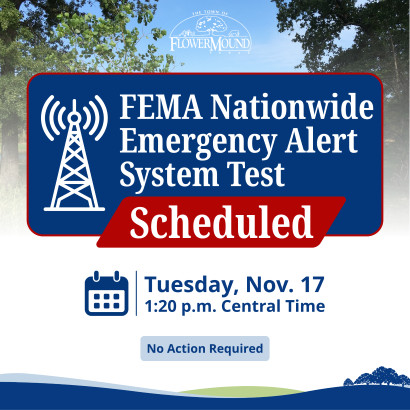
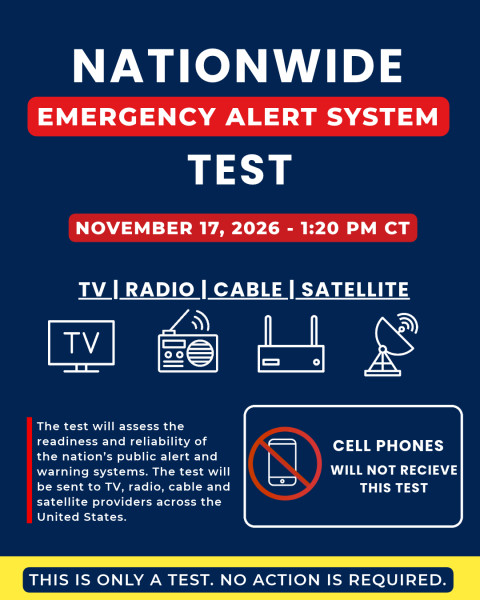
At 2:20 p.m. ET, a planned nationwide test of the Emergency Alert System interrupted TV and radio broadcasts, prompting officials to assess the system’s readiness.
Key points
- The test was coordinated by FEMA and the FCC and broadcast across radio and television networks.
- It simulated a real emergency to evaluate the performance of the EAS and identify improvement areas.
- Critics argued the disruption could cause confusion, but FEMA said regular testing is essential for public safety.
- The Integrated Public Alert & Warning System also delivers alerts via mobile phones.
- Public reaction was mixed, with many sharing experiences on social media and seeking clarification.
At 2:20 p.m. ET, millions of Americans were jolted by a sudden interruption to their TV and radio broadcasts. The disruptions were not due to technical glitches or local emergencies, but part of a carefully planned, nationwide test of the Emergency Alert System (EAS) by the Federal Emergency Management Agency (FEMA).
Nationwide Interruption: The FEMA and FCC Drill
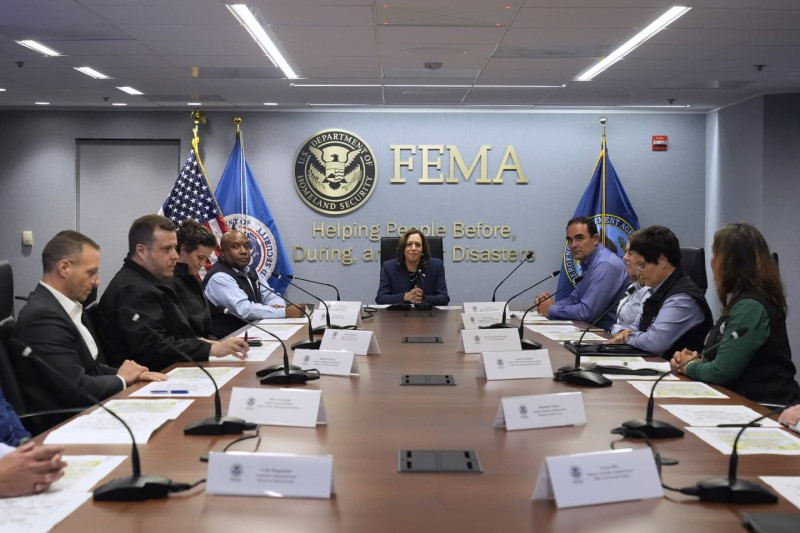
In the fluorescent glare of the briefing room, officials from FEMA and the Federal Communications Commission (FCC) gathered to monitor the outcome of the test. The test, scheduled for today, aimed to ensure the readiness of the EAS, a crucial system for delivering emergency information to the public. The test message was broadcast across radio and television networks.
Why This Test Matters: The Role of the EAS
The EAS is a national public warning system designed to disseminate critical information during emergencies. This includes weather alerts, AMBER alerts, and other life-saving notifications. The nationwide test, conducted by FEMA and the FCC, is a regular exercise to ensure the system's reliability and effectiveness. The test also serves as a reminder to the public about the importance of being prepared for emergencies.
The effectiveness of the EAS relies on its participants—radio and television broadcasters, cable systems, satellite providers, and wireline video providers. These entities work together to deliver local alerts to communities in need. The test, conducted at 2:20 p.m. ET, was designed to simulate a real emergency, allowing officials to assess the system's performance and identify any areas for improvement.
However, the test was not without controversy. Some critics questioned the need for such a widespread disruption, arguing that it could cause unnecessary panic or confusion. FEMA officials, however, emphasized the importance of regular testing to ensure the system's reliability during actual emergencies.
The test also highlighted the evolving nature of emergency alert systems. As technology advances, so too must the methods by which we communicate during crises. The Integrated Public Alert & Warning System (IPAWS) is one such innovation, providing authenticated emergency information through mobile phones using Wireless Emergency Alerts, in addition to traditional radio and television broadcasts.
In a statement, FEMA acknowledged the significance of the test and its role in enhancing public safety: "This test is an essential part of our ongoing efforts to ensure that our emergency alert systems are functioning correctly and that the public can receive critical information when it matters most.
"The test serves as a reminder to the public about the importance of being prepared for emergencies. It also provides an opportunity for FEMA and the FCC to assess the system's performance and identify any areas for improvement.
Public Reaction and Preparedness
As the test message flashed across screens and echoed through speakers, the public reacted with a mix of surprise and curiosity. Many took to social media to share their experiences and seek clarification on the alert. FEMA officials were quick to respond, reassuring the public that the interruption was part of a scheduled test and not an actual emergency.
Despite the initial confusion, the test underscored the importance of emergency preparedness. It served as a wake-up call for many, prompting them to review their emergency plans and ensure they were ready for any potential crises. The test also provided valuable insights into the public's reaction to emergency alerts, helping FEMA and the FCC refine their communication strategies during actual emergencies.
In recent years, the EAS has been used to deliver crucial information during natural disasters, public safety threats, and other emergencies. The system's reliability is essential for protecting lives and property, making regular testing a critical component of emergency preparedness.
The test's success was a testament to the collaborative efforts of FEMA, the FCC, and the various participants in the EAS. Their dedication to ensuring the system's readiness highlighted the importance of preparedness and the role of technology in emergency management.
Looking ahead, FEMA and the FCC will continue to work together to enhance the EAS and other emergency alert systems. As the world becomes increasingly interconnected, the need for reliable and effective communication during crises will only grow. The test served as a reminder that, in times of emergency, the ability to quickly and accurately disseminate information can make all the difference.
As the hum of phones buzzing in pockets subsided and the nation returned to its routine, the significance of the test lingered. The FEMA emergency alert system, a critical component of our nation's emergency preparedness, had once again proven its worth. The system's readiness, honed through regular testing and continuous improvement, stands as a beacon of hope in an uncertain world.
As we reflect on the success of this test, we are reminded of the historic blizzard of '06, when a timely alert saved countless lives. The EAS, much like the skyscraper in that snowy storm, remains a steadfast guardian in our ever-changing world.
Your questions, answered
What was the purpose of the nationwide Emergency Alert System test?
The test was designed to ensure the readiness and reliability of the EAS for delivering critical emergency information to the public.
Who coordinated the Emergency Alert System test?
The test was coordinated by the Federal Emergency Management Agency (FEMA) and the Federal Communications Commission (FCC).
How does this story make you feel?
Topics
 Up next · PoliticsNationwide emergency alert test scheduled for 2:20 p.m. ET