Trump's Posthumous Pardon of Pete Rose: A Controversial Decision
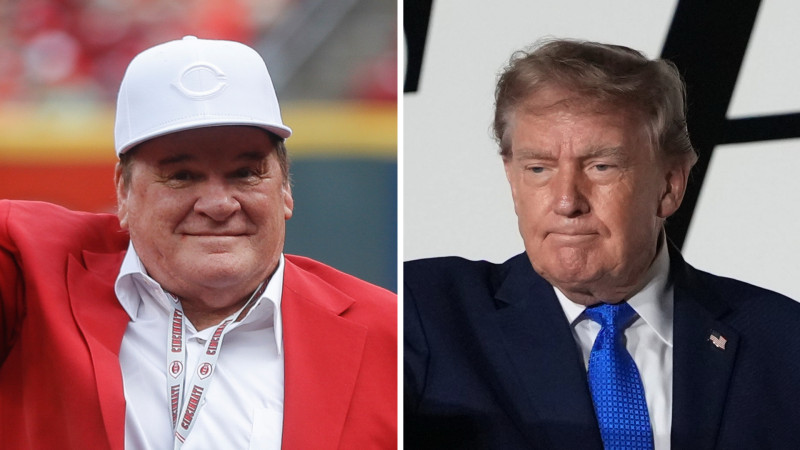
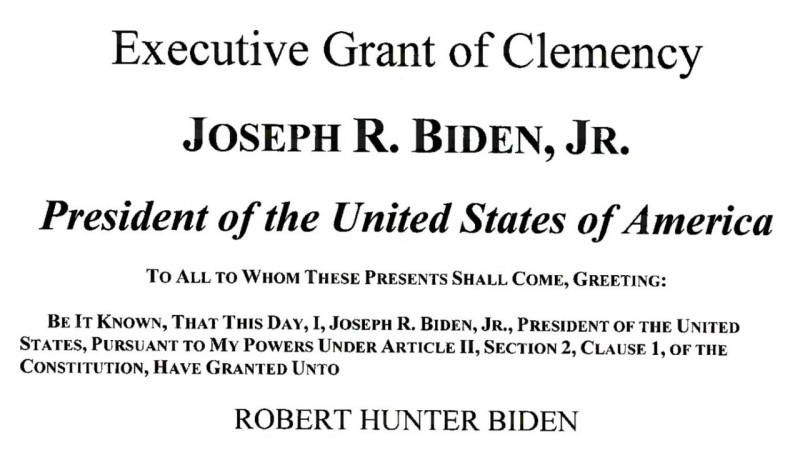
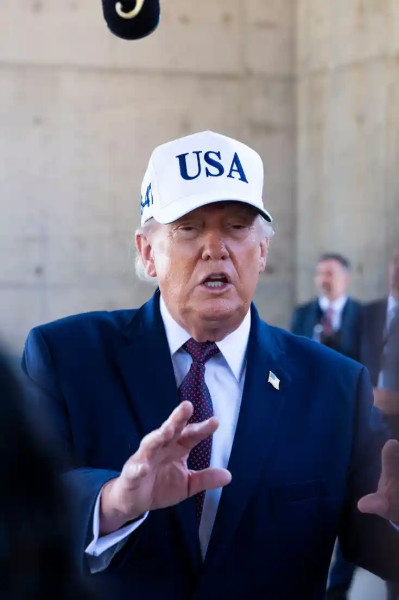
In a move that has reignited debates about Pete Rose’s legacy, President Donald Trump recently granted a "Complete and Total Pardon" to the late baseball legend, known for his remarkable achievements and controversial ban from the sport. The decision came as a surprise to many, sparking discussions about the timing and the significance of the pardon, which was revealed as Trump returned from a historic trip to Asia.
The Legend and the Controversy: Pete Rose’s Career and Ban
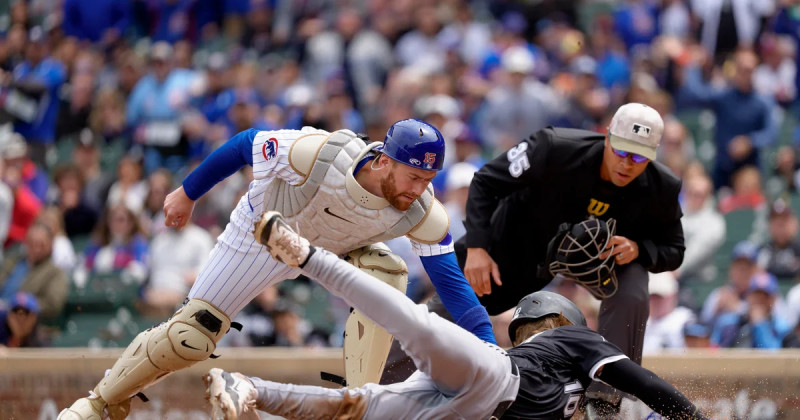
Pete Rose, born Peter Edward Rose, was a beloved figure in Major League Baseball (MLB), renowned for his record-breaking 4,256 hits, a milestone that earned him the nickname "Charlie Hustle". His illustrious career spanned decades, and he was inducted into the Cincinnati Reds Hall of Fame, where he was once beloved. However, Rose’s career was marred by a lifetime ban from baseball in 1989 due to allegations of gambling on games while managing the Reds, a decision that overshadowed his achievements and left many fans and critics questioning the fairness of the punishment.
Trump’s Pardon: A Symbolic Gesture or Political Maneuver?
The decision to posthumously pardon Pete Rose was a significant move by Trump. The timing of the announcement, coming after a major diplomatic trip, suggests that the pardon may have been part of a broader political strategy to garner support from baseball fans and those who believed in Rose’s reinstatement. The pardon, while symbolic, does not alter the fact that Rose died in 2024, after being banned from the sport and having his legacy tarnished. Some argue that the pardon is a gesture to rectify an unfair ban, while others see it as an attempt to sway public opinion. "It's a bittersweet moment," said longtime baseball reporter Mike Wallace. "Pete Rose was a legend, but the stigma of his ban will always be part of his story."
According to the Clark County (Nevada) Coroner's Office, Pete Rose's death was announced recently, following a period of declining health and ongoing controversies surrounding his posthumous reinstatement by MLB Commissioner Rob Manfred in 2025.
Despite the pardon, the debate over Rose’s legacy and the ban’s significance to MLB continues. Baseball fans and critics alike will continue to discuss the impact of Trump’s pardon, which could potentially pave the way for future discussions about the reinstatement of other banned players. The pardon also raises questions about the criteria for such decisions and the role of political figures in shaping the narratives of sporting legends.
What will be the lasting impact of Trump’s pardon, and how will Pete Rose be remembered in the annals of baseball history? For now, the legacy of the late baseball player remains shrouded in controversy, with fans and critics alike grappling with the complexities of his career and the meaning of his posthumous pardon.
How does this story make you feel?
 Up next · SportsThe Latest Salvo in the Troy Aikman and Joe Buck Feud: 'Always Wanted a One-Man Booth'