'Joe Biden Pardon Hunter: A Complex Drama of Family and Politics
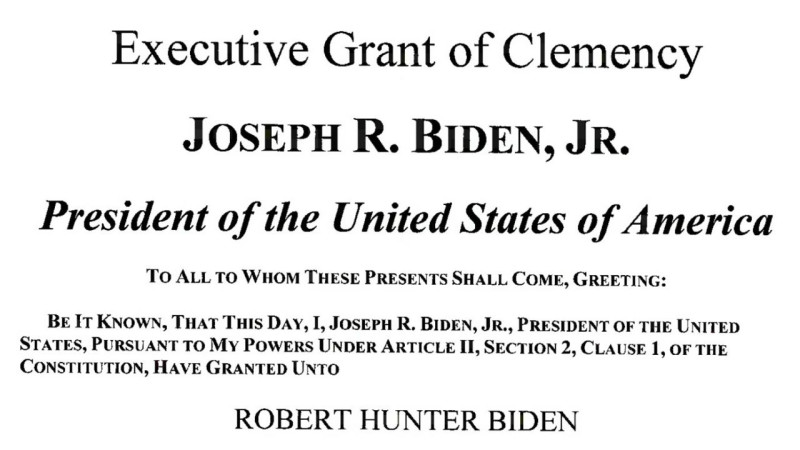
In the hall of mirrors that is modern politics, the saga of Joe Biden's pardon for Hunter Biden reflects a labyrinth of legal, political, and personal entanglements. This complex drama has left the nation grappling with questions about justice, loyalty, and the fragile lines between family and state.
Hunter Biden Pardoned: The Aftermath of a Controversial Decision
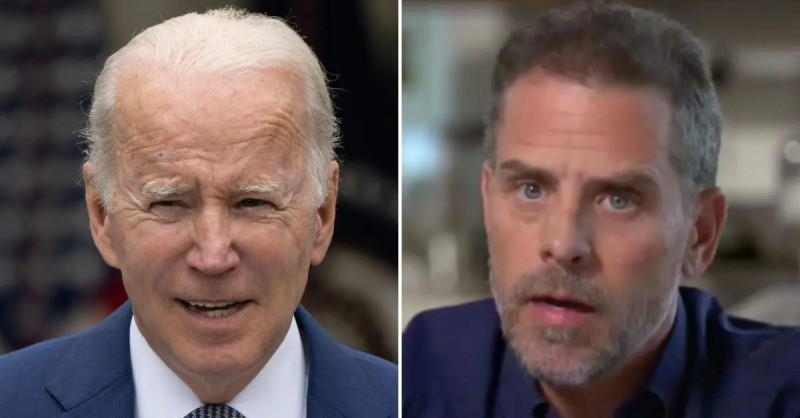
In a decision that has stirred both controversy and empathy, Joe Biden issued a full and unconditional pardon to his son, Hunter Biden, who had been embroiled in two criminal cases. The move came amidst a backdrop of legal and political scrutiny that has dogged Hunter for years, culminating in his recent conviction on federal gun and tax charges.
Hunter Biden himself acknowledged the gravity of the decision, admitting in an interview that he felt both privileged and guilty. In a candid moment, he stated, "I am the most privileged person there is," but also conceded that the pardon was "not a good thing" for America or his father. The pall of controversy has cast a long shadow, with many questioning the integrity of the decision and its implications for the Biden family's political legacy.
The Political and Legal Landscape: Scrutiny and Controversy
The legal landscape surrounding Hunter Biden's pardon is complex and multifaceted. While a presidential pardon covers federal criminal liability, it does not vacate civil suits or state prosecutions. This means ongoing civil litigation tied to issues such as Hunter Biden's laptop and other matters remain outside the scope of the pardon.
The political implications are equally profound. Jill Biden, the former first lady, has defended the pardon, attributing the decision to a loss of faith in the justice system following Donald Trump's presidency. This narrative, while poignant, has done little to quell the storm of criticism and inquiry.
The Personal and Political: A Father's Choice
At the heart of this saga is a deeply personal decision made by a father. Hunter Biden has suggested that his father chose him over his legacy, a decision that has irrevocably altered the trajectory of the Biden family's political narrative. The act of pardon, while a gesture of familial loyalty, has also been seen as a potential political liability, casting a shadow over Joe Biden's legacy as a champion of justice and fairness.
"He chose me over his legacy," Hunter stated, his words a poignant reminder of the delicate balance between personal and political obligations. Yet, the decision has also ignited a broader debate about the ethics and implications of presidential pardons, particularly when they involve family members. As Hunter himself admitted, there is a "bias" inherent in such a decision, a recognition that underscores the complex interplay of personal, legal, and political factors.
In recent times, the political and legal scrutiny surrounding Hunter Biden's actions has been intense, with ongoing investigations and legal battles that have kept the family in the public eye. The current administration's response to these challenges has been a mix of legal defense and political maneuvering, reflecting the broader landscape of contemporary American politics.
"When [President] Trump was elected, things changed, and we had to think differently about what justice means for our family."
The decision to pardon Hunter Biden highlights the delicate balance between personal loyalty and political responsibility, a theme that has become increasingly central to the narrative of contemporary American politics.
The scrutiny and controversy surrounding the pardon of Hunter Biden by his father, Joe Biden, underscore the complex interplay of legal, political, and personal dynamics in modern politics. With ongoing civil litigation and a cloud of political scrutiny hanging overhead, the saga of the Biden family is far from over. As the nation grapples with the implications of this decision, one question remains: What does this mean for the future of the Biden legacy, and what does it say about the state of justice and politics in America today?
How does this story make you feel?
 Up next · PoliticsAppeals Court Halts Trump's White House Ballroom Construction