The Iowa Detonation: The Army’s Lead Azide Explosion and Its Implications
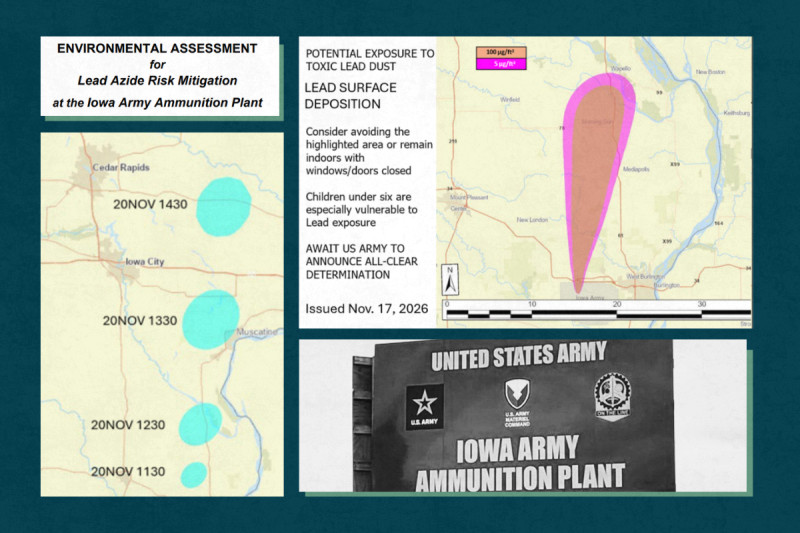
Federal judges paused the U.S. Army's plans to detonate five tons of lead azide, an explosive substance, at the Iowa Army Ammunition Plant, an event that has sparked a controversy that is creating headlines and stirring emotions at Middletown. The lead explosion, which was scheduled recently, has faced legal challenges and public outcry over potential health risks and environmental concerns. This stoppage comes as a result of environmental activists having filed a lawsuit, environmental activists expressing concerns about the potential release of a toxic lead plume that could spread across vast distances, depending on weather conditions.
The Impact of Lead Azide Detonation on Public Health
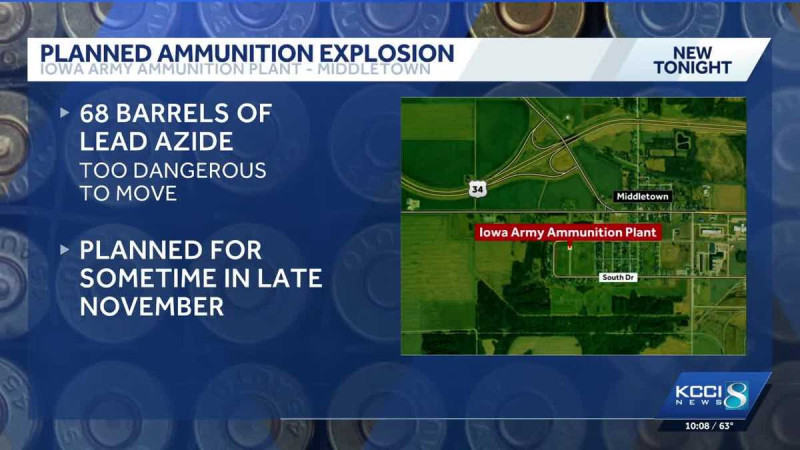
The detonation of 68 barrels of lead azide was planned at the Iowa Army Ammunition Plant. Lead azide, a highly unstable explosive, is a compound that can release harmful lead particles into the air when detonated. The Army's plans have raised alarms among residents and environmentalists, who worry about the potential health risks associated with lead exposure. The U.S. Environmental Protection Agency (EPA) has guidelines on lead exposure, highlighting the dangers of inhaling lead particles, which can cause severe health issues, particularly in children. The Army has released maps showing the potential spread of lead dust, which could travel up to 100 miles under certain weather conditions.
Legal Battles and Environmental Concerns
The legal challenges surrounding the detonation have been intense. A federal judge granted a stay, halting the Army's plans to proceed with the detonation. Environmental groups have argued that the Army's plans lacked sufficient environmental impact assessments and public consultation. The court's decision to pause the detonation underscores the complexity of balancing national security needs with environmental and public health concerns. The Army's plans to detonate the lead azide were delayed, pending further court directions and ensuring public safety, underscoring the ongoing legal battles and public health concerns.
The Army can't proceed with the detonation until the court provides further guidance. This is a significant setback for the military's plans to deal with the hazardous materials, but it's a necessary step to ensure public safety and environmental protection.
The Community's Response and Future Steps
Residents of Middletown, Iowa, have been advised to evacuate the area in anticipation of the detonation. The Army has issued guidelines and evacuation plans, urging residents to take necessary precautions. The community's response has been a mix of concern and cooperation, with many residents eager to ensure their safety while also supporting the military's efforts to handle the hazardous materials. As the situation develops, the focus remains on public safety and the environmental impact of the detonation. The Army's decision to postpone the detonation to ensure public safety highlights the ongoing efforts to address the concerns raised by the community and environmental activists.
How does this story make you feel?
 Up next · PoliticsThe Trump Speeches and Policies Set the Stage for a Political Showdown