Sevilla and Real Betis Clash in High-Stakes Andalusian Derby
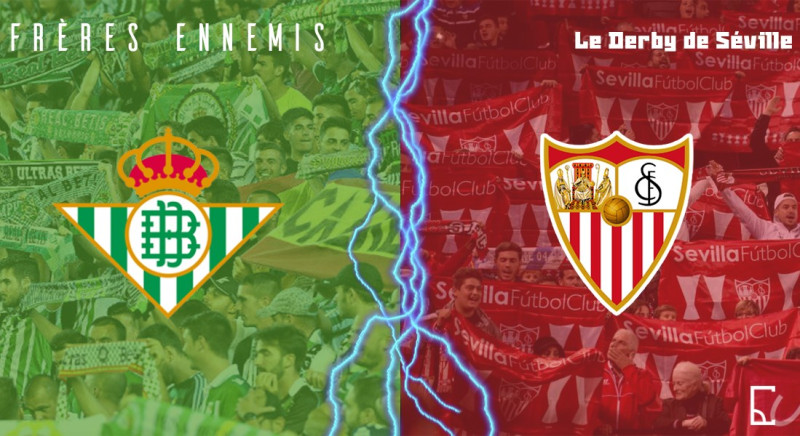
In the pulsating atmosphere of the Ramón Sánchez-Pizjuán Stadium, the Andalusian derby between Sevilla and Real Betis is more than just a football match—it's a clash of cultures, a battle of pride, and a test of endurance.
The Rivalry Renewed: A Tale of Two Cities
The rivalry between Sevilla and Real Betis is one of the most intense in Spanish football, deeply rooted in the cultural and historical fabric of Andalusia. Both clubs, hailing from the same city, have a long-standing enmity that transcends sports—it's a matter of local pride and identity.
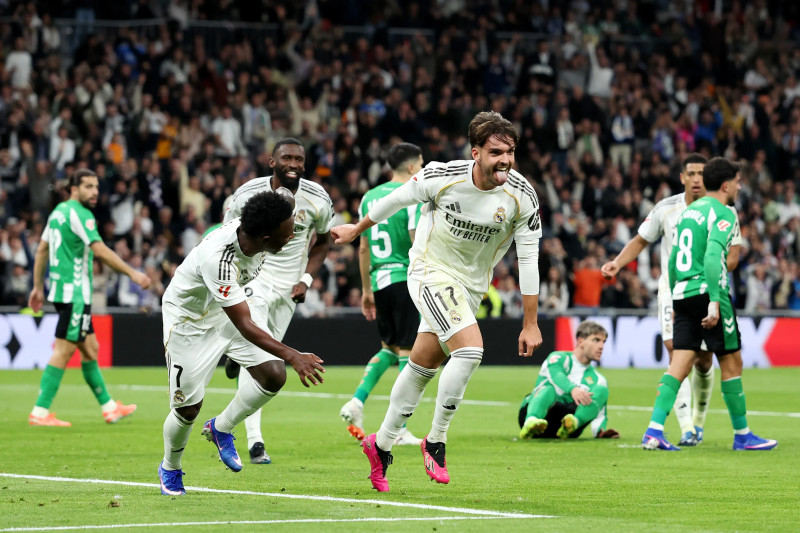
With the recent match played out in the Ramón Sánchez-Pizjuán Stadium, the stage was set for a fierce contest. The match, which ended in a goalless draw, showcased the strategic prowess and resilience of both teams. The first half saw both teams playing cautiously, with neither side able to break the deadlock.
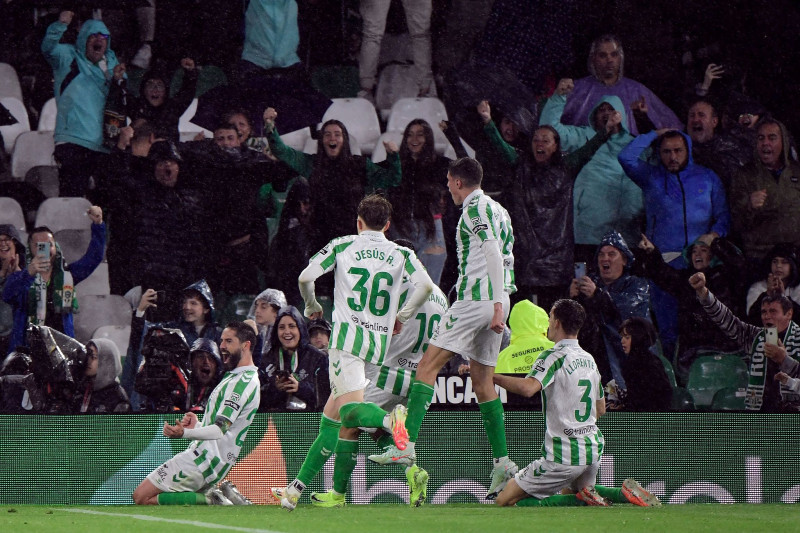
Frustration mounted, especially for Betis fans, as their team struggled to convert chances into goals. The tension in the air was palpable, with the hum of phones buzzing in pockets adding to the atmosphere. Despite the lack of goals, the match was a testament to the tactical battle between the two sides.
Key Moments and Strategic Moves
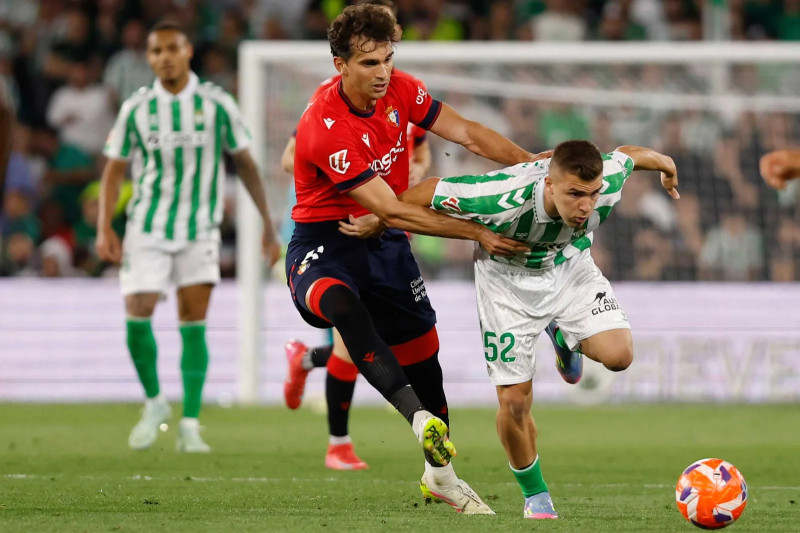
One of the most anticipated moments was the performance of Fran García, a key player for Real Betis. García's skill and agility were on full display, earning him a free kick in a crucial moment.
This derby was also about the strategic decisions made by both managers. Sevilla, under their current coach José Luis Mendilibar, opted for a more defensive approach, aiming to capitalize on counter-attacks. On the other hand, Betis, managed by Manuel Pellegrini, looked to dominate possession and control the midfield.
The match was a chess game, with each move carefully calculated. Sevilla's defensive strategy paid off, as they managed to hold Betis at bay, despite the latter's relentless attacks.
Fan Reactions and Community Impact
For the fans, the derby is more than just a game—it's a communal experience. The streets of Seville were alive with anticipation, with fans from both sides donning their team colors and chanting slogans.
The match was also a significant event for the local economy, with bars and restaurants filled with fans eager to watch the game together. The rivalry, while intense, brings the community together in a shared passion for football.
The derby also has a broader cultural significance. Sevilla is a city rich in history and culture, and football is a vital part of its identity. The rivalry between these two teams is a microcosm of the city's complexities, reflecting its spirit and resilience.
The derby is a symbol of the city's passion and pride, a reflection of its identity and a source of unity among its people.
From the vibrant streets of Seville to the electric atmosphere of the stadium, the derby is a spectacle that transcends the boundaries of sports. It's a celebration of rivalry, a testament to resilience, and a reflection of the city's spirit—a spirit that lives on, long after the final whistle blows.
For those who missed the match, it was a momentous occasion that underscored the enduring legacy of Sevilla and Real Betis as rivalries that define the city and its football culture.
— And the next chapter of this riveting story is already being written, as both teams prepare for their next encounters and the ongoing struggle for supremacy.
How does this story make you feel?
 Up next · SportsNCAA Cross Country Champions Crowned in Terre Haute