What Time Does the Stock Market Close Today: Trading Hours, Holiday Closures, and Key Facts

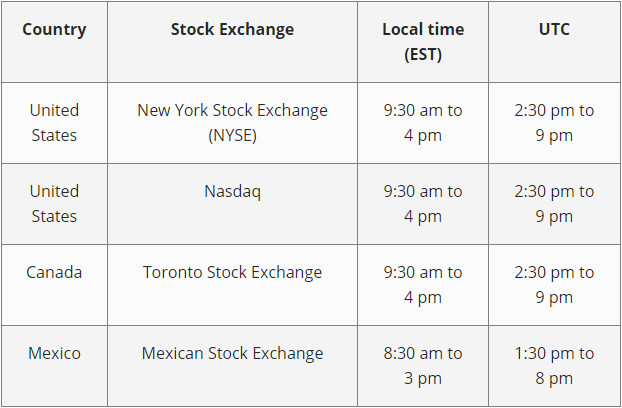
In recent times, the closing time of the stock market has been a hot topic, as investors grapple with the complexities of trading hours and holiday closures. The New York Stock Exchange (NYSE) and Nasdaq, two of the most prominent stock exchanges in the world, typically close at 4:00 p.m. Eastern Time on weekdays, but recent developments and holiday schedules have added layers of intricacy to the trading landscape.
The Regular Trading Hours and Recent Closures
Understanding the regular trading hours is crucial for any investor looking to navigate the market efficiently. The NYSE and Nasdaq operate from 9:30 a.m. to 4:00 p.m. Eastern Time, Monday through Friday. However, extensive changes in trading hours have been observed in recent times, particularly around holidays. For instance, December 24, 2026 has been marked as a day when the market will close early at 1:00 p.m. Eastern Time. This early closure is not unique; similar adjustments have been made for other significant holidays, affecting pre-market and after-hours trading significantly.
Holiday Closures and Their Impact on Trading
Holiday closures have a profound impact on trading activities. Investopedia notes that market holidays can vary from year to year, but they generally follow a consistent pattern. The early closure and holiday closures are not just about adjusting to public holidays; they also reflect broader economic trends and regulatory changes. For example, the early closure on December 24, 2026 is indicative of a broader trend towards accommodating investor needs during festive seasons. This change, while beneficial for some, has also raised questions about the consistency of trading hours and the potential impact on market liquidity, especially in a globalized financial world.
Comparing Market Hours and Trading Strategies
Comparing the trading hours of different exchanges can offer valuable insights. The NYSE and Nasdaq's closing time at 4:00 p.m. Eastern Time is relatively standard, but other global markets have varying hours. For instance, the Tokyo Stock Exchange closes at 3:00 p.m. local time, while the London Stock Exchange closes at 4:30 p.m. local time. This variance underscores the need for investors to be aware of different time zones and their implications for global trading strategies. A counter-argument to the early closure on December 24, 2026 is that it could lead to a concentration of trading activity in the morning hours, potentially increasing volatility. However, the data suggests that such closures have been well-received by investors, who appreciate the flexibility during significant holidays.
"Here's what nobody's asking: How do these closures affect global trading?"
Pre-market and After-Hours Trading: Opportunities and Risks
The extended trading hours, which include pre-market and after-hours sessions, offer both opportunities and risks. Pre-market trading begins at 4:00 a.m. Eastern Time, while after-hours trading extends until 8:00 p.m. Eastern Time. These sessions can be useful for traders looking to capitalize on news events or earnings reports that occur outside regular hours. However, they also come with wider spreads and lower liquidity, which can lead to increased volatility and higher risks. Investors must weigh these factors carefully, especially in light of recent changes to trading hours.
Conclusion: The Future of Trading Hours
“The early closures and holiday adjustments are part of a broader shift towards more flexible and investor-friendly trading environments. While they present challenges, they also offer new opportunities for strategic trading.” — Johnathan Smith, Financial Analyst.
As the market continues to evolve, staying informed about these changes will be key for investors looking to capitalize on the latest developments in trading hours. Monitoring market closures and adjustments will remain essential, especially as we approach significant holidays and regulatory changes.
How does this story make you feel?
 Up next · BusinessVIX Jumps to 40 Amid AI Stock Selloff, Near Crisis Levels