The Stock Market Hours Shockwave: Why Today's Open Time is Unprecedented
In recent times, the stock market's regular hours have been a source of confusion and concern for many traders and investors. Today, the question on everyone's mind is a simple one: when does the stock market open? However, the answer is anything but simple. This week, the New York Stock Exchange (NYSE) and the Nasdaq have sent shockwaves through the trading world with an unprecedented schedule change. Gone. The usual routine has been disrupted, and traders are scrambling to adjust.
Unprecedented Changes to Trading Hours: What You Need to Know
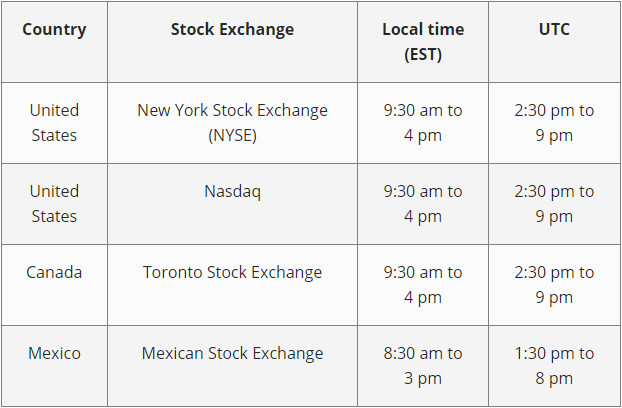
Think again. The NYSE and Nasdaq hours are typically 9:30 a.m. to 4:00 p.m. Eastern Time, with pre-market trading starting at 4:00 a.m. and after-hours trading extending until 8:00 p.m. Eastern Time. Recently, however, the stock market has seen a series of disruptions that have altered these standard trading hours, leaving many investors uncertain about when the market will open and close.
According to available reports, the recent changes have been driven by a combination of factors. Among these is a surge in trading activity, which has led to increased demand for extended trading sessions. Additionally, the market has been grappling with technical issues, which have sometimes necessitated halting trading or adjusting the schedule.
For most traders, the market's regular hours are crucial. These are the main trading sessions used by most market calendars, index references, and daily open-close discussions. Extended hours, such as pre-market and after-hours trading, can be useful, but they are not equivalent to the regular session. These extended periods may have wider spreads, lower liquidity, and different rules for eligible securities.
With the recent schedule changes, traders are advised to stay vigilant and check the latest updates from the NYSE and Nasdaq. The two exchanges have been providing real-time market status updates, including the next open and close times, holiday schedules, and pre-market and after-hours trading hours with timezone conversion.
This is a challenging time for traders, but it also presents an opportunity to adapt and thrive in a rapidly changing market. By staying informed and prepared, traders can navigate these unprecedented times and continue to make informed decisions.
The Impact of Recent Market Changes on Investors
Nobody saw this coming. The recent disruptions to the stock market's regular hours have had a profound impact on investors. Many have found themselves adjusting to new trading schedules, dealing with the uncertainty of pre-market and after-hours trading, and grappling with the increased volatility that has resulted from these changes.
"The recent changes to the stock market's regular hours have been a wake-up call for many investors," says a market analyst. "It's a reminder that the market is always evolving, and investors need to be ready to adapt to new challenges and opportunities."
By staying informed and prepared, traders can navigate these unprecedented times and continue to make informed decisions.
For traders who rely on the market's regular hours, the recent disruptions have been particularly challenging. The market's core hours, from 9:30 a.m. to 4:00 p.m. Eastern Time, are when most trading activity occurs and when many investors make their trades. The recent changes have forced traders to adjust their strategies, sometimes trading during pre-market or after-hours sessions, which can be more volatile and less liquid.
Navigating the New Normal: Tips for Traders
With the stock market's hours in flux, traders are looking for ways to navigate the new normal. Here are some tips to help traders stay ahead of the curve:
First, stay informed. Keep an eye on the latest updates from the NYSE and Nasdaq, and be prepared to adjust your trading schedule as needed. The exchanges are providing real-time market status updates, including the next open and close times, holiday schedules, and pre-market and after-hours trading hours with timezone conversion.
Second, be prepared for volatility. Extended trading hours can be more volatile and less liquid. Be ready to adjust your trading strategies and manage risk accordingly.
Third, consider using a broker that offers extended trading hours. Many brokers now offer pre-market and after-hours trading, which can help traders take advantage of these extended sessions while minimizing the risks associated with them.
Lastly, stay calm. Market disruptions can be stressful, but it's important to stay focused and make informed decisions. By staying informed, prepared, and adaptable, traders can navigate these unprecedented times and continue to make profitable trades.
Traders need to know when does the stock market open. The recent changes to the stock market's regular hours have been a shock to the system, but they also present an opportunity to adapt and thrive. By staying informed and prepared, traders can navigate these unprecedented times and continue to make profitable trades. The New York Stock Exchange (NYSE) and the Nasdaq are providing real-time market status updates, including the next open and close times, holiday schedules, and pre-market and after-hours trading hours with timezone conversion.
How does this story make you feel?
 Up next · BusinessDow Jones Industrial Average Futures: The Market's Pulse Is Strong