As of 2026-03-10 11:07:59, the oil market is in a state of flux, with significant movements in WTI (West Texas Intermediate) and Brent crude oil prices per barrel .
Today, Brent crude oil prices have surged to $94.59 per barrel, marking an impressive 1.86% increase from the previous trading day. This surge is part of a broader trend that has seen Brent crude prices rise by 22.48% over the past week, highlighting the volatile nature of the current market. The WTI crude oil price per barrel is also experiencing a significant surge, with prices hovering near $101, contributing to a broader market turmoil.
The recent price fluctuations are influenced by a combination of geopolitical tensions and economic indicators. A key factor driving the surge is the conflict in Iran, which has disrupted global oil supply chains. The geopolitical instability has led to concerns about potential supply cuts, driving up demand for available oil reserves. Additionally, a weak update on the U.S. job market, which reported more job cuts than creations, has compounded market anxieties, contributing to the overall volatility.
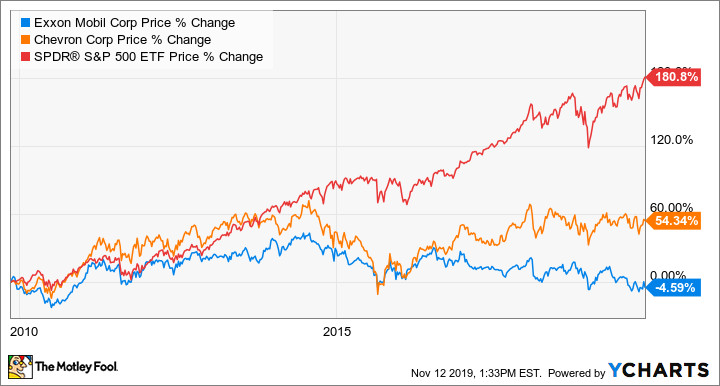
The recent oil price surge has had a significant impact on global stock markets, with the Dow Jones plunging nearly 700 points, the S&P 500 dropping over 1%, and the Nasdaq sliding sharply. The market's reaction is a direct response to the stagflation fears, where high inflation and low economic growth coincide. This economic scenario is particularly concerning as rising oil prices, coupled with stagnant economic growth, could lead to a prolonged period of uncertainty. The situation has also affected other commodities, with silver prices climbing and gold prices slipping despite the market turmoil.
The current price of oil per barrel is not just a reflection of supply and demand but also a critical indicator of broader economic health. In the United States, the primary benchmark for crude oil is the WTI. This benchmark is closely monitored by traders and policymakers alike, as it provides insights into inflation, fuel costs, and overall economic stability. The recent rise in WTI prices has triggered concerns about potential inflationary pressures, further complicating the economic outlook.
The Inverse correlation between oil and stock prices is evident in today's market dynamics. As oil prices surge, stock markets experience a downturn, reflecting investor concerns about the economic implications of higher energy costs. This correlation underscores the interconnected nature of global financial markets, where fluctuations in one sector can have ripple effects across the board.
The current market conditions are a stark reminder of the complex interplay between geopolitical events, economic indicators, and financial markets. As the world navigates through these uncertain times, keeping a close eye on oil prices and their broader implications will be crucial for investors, policymakers, and consumers alike. The volatile nature of the oil market demands vigilance and strategic planning to mitigate risks and capitalize on opportunities in this dynamic landscape.