Deadly Plane Crash in Galveston: Latest Updates and Details
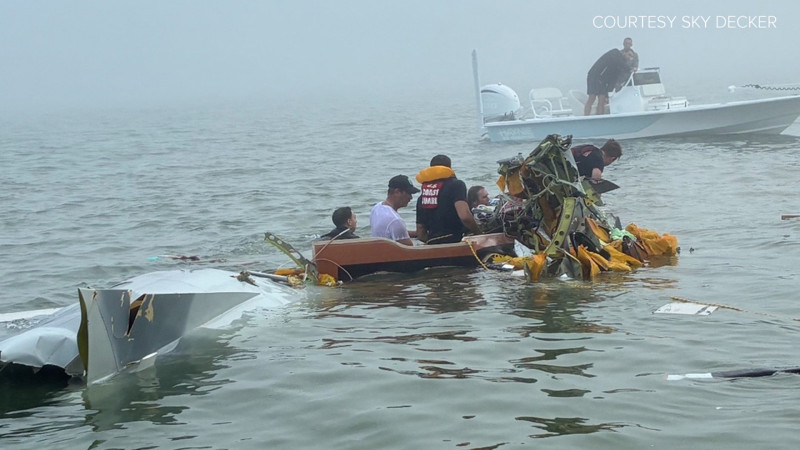
The tragic plane crash near Galveston, Texas, on December 22, 2025, has left the nation in shock. The incident, involving a small Mexican Navy aircraft on a medical mission, resulted in the loss of at least five lives and has sparked a massive search and recovery effort. The plane, reportedly carrying eight people, including two pilots and a young medical patient, crashed near the Galveston Causeway.
The aircraft was on a mission to transport a patient in need of medical support to Galveston, where it was expected to connect with a foundation assisting burn patients. The tragic accident raises questions about the safety of such missions and the protocols in place to ensure the well-being of both the patients and the crew. The Mexican Navy has confirmed the plane was en route from Mexico to Galveston, carrying eight passengers when it tragically crashed into Galveston Bay.
As the investigation continues, officials are working tirelessly to piece together the events leading up to the crash. The U.S. Coast Guard and local authorities have been involved in the search and recovery operations, which have been complicated by the conditions of the bay. The cause of the crash remains under investigation, with potential factors including mechanical failure, adverse weather conditions, or human error. The Coast Guard has been instrumental in managing the recovery efforts, highlighting the coordination between U.S. and Mexican authorities in responding to such a disaster.
The community in Galveston and beyond has come together to offer support and condolences to the families of the victims. The tragic event has underscored the importance of medical transport missions and the risks involved in such critical operations. As the investigation unfolds, it will be crucial to understand what went wrong and how similar tragedies can be prevented in the future. The focus will be on ensuring that medical transport missions are as safe as possible, with stringent safety measures and protocols in place.
In conclusion, the Galveston plane crash serves as a sombre reminder of the dangers faced by those involved in medical transport missions. As the investigation continues, the hope is that lessons learned from this tragedy will lead to improved safety measures and protocols, ensuring that future missions are carried out with the utmost care and vigilance. The support and resilience of the community in the face of such a tragic event are a testament to the strength of human spirit and the importance of unity in times of crisis.
How does this story make you feel?
 Up next · WorldCalifornia Braces for Severe Rain and Flooding as Atmospheric Rivers Strike