John Kiriakou: The Whistleblower’s Latest Legal Battle
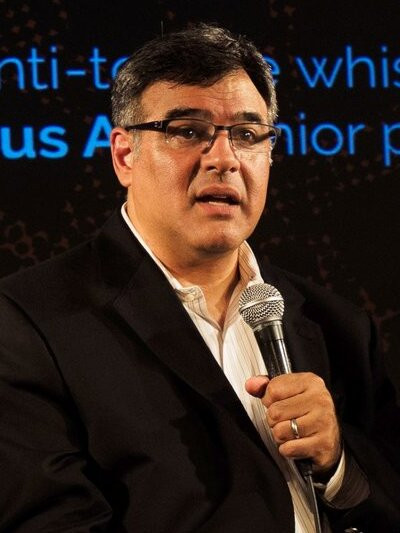
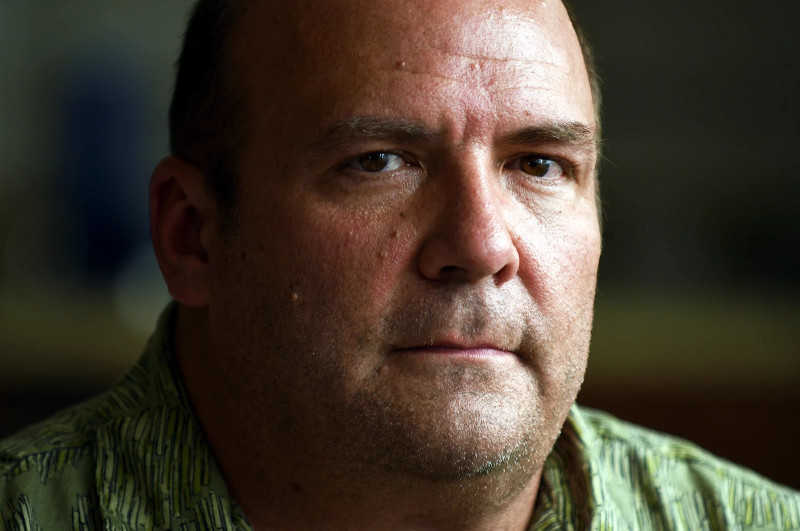
In a quiet room at the federal courthouse, John Kiriakou, a man once hailed for his efforts to expose the dark corners of U.S. intelligence, finds himself once again embroiled in legal controversy. Kiriakou, a former CIA analyst and whistleblower, has long been a polarizing figure. He’s the man who blew the whistle on the CIA’s post-9/11 torture program, and the man who has faced legal battles for his decision to reveal classified information. Now, Kiriakou is facing a new legal challenge that has drawn the attention of legal experts and political analysts alike. "It’s a charged atmosphere," said one observer from the courthouse steps, "everyone is watching to see how this plays out."
A New Chapter in John Kiriakou’s Legal Saga
John Kiriakou’s legal journey began when he revealed the Agency's use of torture in 2007. His disclosure sent shockwaves through the intelligence community and thrust him into the public eye. However, it also led to a series of legal battles that have tested the limits of whistleblower protections and government secrecy. Recently, Kiriakou has been accused of breaching non-disclosure agreements, a charge that he vehemently denies. The latest developments in his case have been described by legal experts as a pivotal moment in the ongoing battle over transparency and government accountability. In recent times, Kiriakou’s legal team has been working tirelessly to refute the allegations, arguing that his actions were motivated by a desire to shed light on the Agency's controversial practices. The courtroom has become a stage for a broader debate on whistleblower rights and the ethical dilemmas faced by intelligence personnel. "This is about more than just one man," said a legal analyst, "it’s about the future of whistleblower protections and how we hold our government institutions accountable."
Public and Political Reactions to Kiriakou’s Latest Legal Battle
As the legal battle unfolds, it has sparked a range of reactions from the public and political figures alike. Scott Galloway, a well-known critic of government secrecy, has been vocal in his support of Kiriakou. "John Kiriakou is a hero," Galloway declared in a recent interview. "He had the courage to stand up for what he believed in, even when it meant risking his career and freedom. His case is a testament to the struggle for transparency and accountability in our government." The public’s opinion is equally divided. Some view Kiriakou as a traitor, while others see him as a champion of truth and justice. The debate has also touched on broader issues of national security and the delicate balance between secrecy and transparency. As the legal battle continues to unfold, observers are watching closely to see how it will impact future whistleblower cases and the broader conversation about government accountability.
The Broader Implications for Whistleblower Protections
The ongoing legal battle involving John Kiriakou raises critical questions about the future of whistleblower protections. As the case progresses, legal experts and political analysts are closely watching to see how the courts will rule. The outcome could set a precedent for future whistleblower cases, potentially reshaping the landscape of government transparency and accountability. In recent times the ethical dilemmas faced by intelligence personnel have come under intense scrutiny, with many calling for greater protections for whistleblowers. "This case is a crucial moment in our ongoing struggle for transparency and accountability," said one legal expert. "It’s about more than just one man; it’s about the future of our democratic values and the protections we afford to those who dare to speak out against injustice."
“John Kiriakou is a hero. He had the courage to stand up for what he believed in, even when it meant risking his career and freedom." – Scott Galloway
The legal saga of John Kiriakou continues to unfold, with each twist and turn drawing renewed attention to the complex issues of whistleblower protections and government accountability. As the case progresses, the public and political figures remain engaged, awaiting the next development in this high-stakes legal battle. The legal outcome will surely have implications for future whistleblower cases, shaping the discourse around transparency and accountability in the intelligence community. The world watches, as the courtroom drama unfolds, with the last verdict on John Kiriakou's case is yet to be reached.
How does this story make you feel?
 Up next · PoliticsUS Department of Labor Announces Major PERM Overhaul: A Game-Changer for Employment-Based Green Cards