A Dirty Bomb Threat: Unraveling the Recent Intelligence on Iran's Alleged Plot
Imagine a shadowy figure standing on the edge of a precipice, gazing into the abyss. This figure is not a lone villain but a global concern, a concern that recently descended from the realm of hypotheticals into the grim reality of a dirty bomb threat in Washington, D.C. This dirty bomb threat isn’t your average explosive; it’s a sinister cocktail of conventional explosives and radioactive material, designed to sow chaos and fear rather than mass destruction.
Understanding the Dirty Bomb Threat
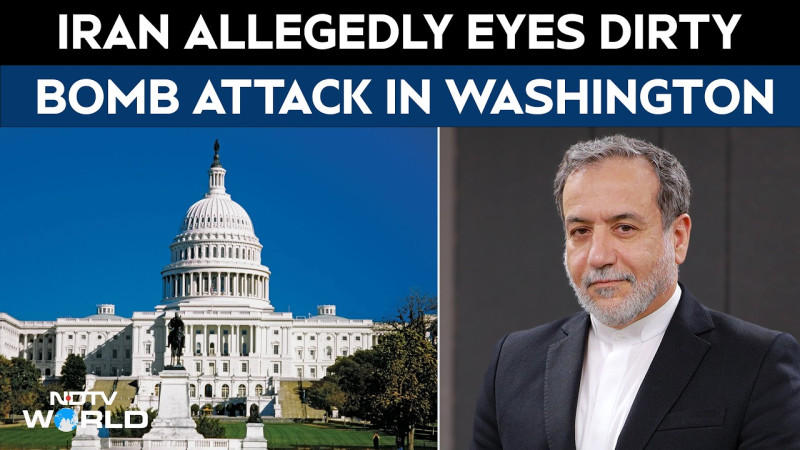
Recent intelligence, as reported by CNN, has raised alarms about Iran’s alleged plans to use a dirty bomb in the United States. This news comes amidst a broader context of geopolitical tensions and escalating threats. A dirty bomb is fundamentally different from a nuclear bomb. While both involve radioactive material, a nuclear weapon derives its explosive power from a nuclear chain reaction, whereas a dirty bomb uses conventional explosives like dynamite or TNT to scatter radioactive material over a localized area. The objective is not to cause immediate mass destruction but to contaminate the environment, causing long-term health risks and panic.
For a clearer understanding, it's important to note that a dirty bomb cannot produce a nuclear blast. Instead, it disseminates radioactive dust, smoke, or material, contaminating the surroundings. This contamination can lead to both acute and long-term health issues, such as radiation sickness and increased risks of cancer. The primary goal is to instill fear and disrupt everyday life, making it a terrifying weapon of mass disruption rather than mass destruction.
CNN’s report on Iran’s alleged plan to use a dirty bomb in Washington, D.C., has sent shockwaves through the international community. This threat, while alarming, underscores the evolving nature of modern warfare and terrorism. The use of a dirty bomb would not only contaminate the area but also require extensive and costly cleanup efforts. The aftermath of such an attack would be a logistical nightmare, with authorities having to manage both the immediate health risks and the long-term environmental impact.
How Dirty Bombs Differ from Nuclear Weapons
A dirty bomb and a nuclear weapon are fundamentally different in their design and impact. Nuclear weapons rely on nuclear fission or fusion to produce an explosion, releasing an enormous amount of energy and creating a large, immediate blast radius. In contrast, a dirty bomb uses conventional explosives to disperse radioactive material. This contamination is not as deadly as a nuclear blast but can spread over a larger area, making cleanup and decontamination efforts more complex. The primary danger from a dirty bomb is not the initial explosion but the long-term contamination and health risks for those exposed to the radioactivity.
According to the CDC, the effects of a dirty bomb attack would depend on various factors, including the type and amount of radioactive material used, the weather conditions, and the density of the population in the affected area. The goal of a dirty bomb is to cause widespread panic and disruption, rather than immediate mass casualties. This distinction makes it a potent tool in the hands of those seeking to create fear and chaos.
The Iran Connection and Potential Consequences
Recently, there has been a surge in interest in the topic of dirty bombs, driven by intelligence reports from the U.S. suggesting that Iran may be planning to use such a weapon against the United States. This revelation has sparked a renewed focus on the threat of radiological weapons and the measures required to mitigate such risks. The dirty bomb threat in Washington, D.C., highlights the evolving nature of modern warfare, where unconventional weapons and tactics are increasingly prioritized. The potential use of a dirty bomb by Iran underscores the need for robust countermeasures and preparedness on the part of law enforcement and emergency response teams.
In the aftermath of such an attack, the public health infrastructure would be severely strained. Medical resources would need to be quickly mobilized to treat those exposed to radiation, while decontamination efforts would have to be initiated to prevent further spread. The economic impact would also be significant, with businesses and public services disrupted for extended periods. The psychological toll on the population cannot be understated, as the fear of contamination and long-term health risks would linger long after the immediate crisis has passed.
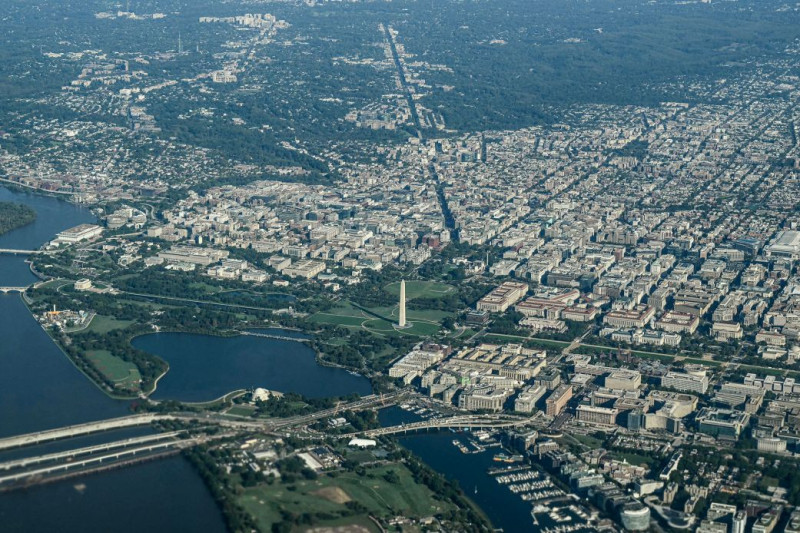
To put things into perspective, consider that a dirty bomb attack would be far less deadly in the immediate sense but far more disruptive in the long term. Imagine a city like Washington, D.C., with its dense population and iconic landmarks, being transformed into a contaminated zone. The immediate chaos and the subsequent fear of long-term health risks would have a profound impact on the city's infrastructure and the lives of its residents. The cleanup would require extensive resources, and the psychological impact on the population would be lasting, leaving a lasting scar on the nation's psyche.
In the words of a top security analyst, "The threat of a dirty bomb attack is not just about the immediate damage but about the long-term disruption and fear it can create. The cleanup and decontamination efforts would be massive, and the psychological impact on the population would be lasting."
If you thought the race to safeguard the nation was a straightforward sprint, you’d be mistaken. The dirty bomb threat, in particular, the alleged Iran plot in Washington, D.C., is a stark reminder of the labyrinthine complexity of modern security challenges. It’s not just about the immediate blast, but the long, lingering shadows of contamination and fear. This is the new reality of global security, where the lines between conventional and unconventional threats are blurring. So, the next time you see a news headline about a dirty bomb, remember, it’s not just about the blast—it’s about the lingering, invisible threat that haunts long after the dust has settled.
How does this story make you feel?
 Up next · PoliticsJohn Kiriakou: The Whistleblower’s Latest Legal Battle