In the latest escalation of geopolitical tensions, Iranian President Masoud Pezeshkian's remarks have sparked a global conversation about the potential for a conflict between Iran and the United States. On December 28, 2025, Pezeshkian stated that his country is engaged in a "full-scale war" with the United States, Israel, and Europe. This declaration, while provocative, does not constitute a formal declaration of war in the legal or diplomatic sense. Instead, it reflects the ongoing political, economic, and security pressures that Iran faces.
President Pezeshkian's comments were made in an interview published by Iranian state media and were later reiterated in a public statement on December 2025. The Iranian President described the situation as more complex than the Iran-Iraq War, suggesting a multifaceted conflict that involves various forms of pressure and aggression from the United States, Israel, and Europe.
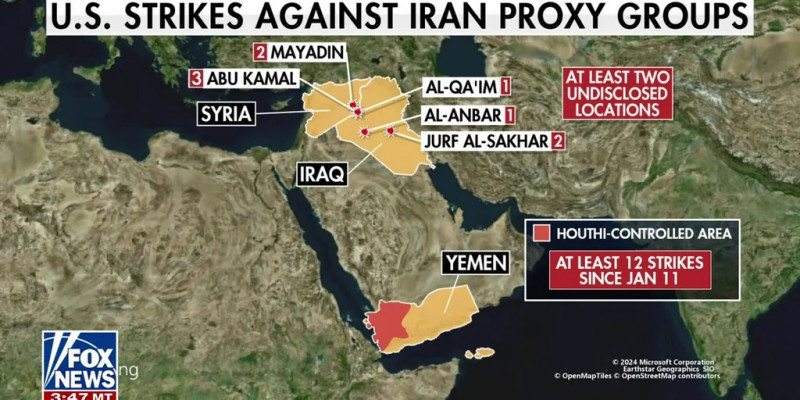
The Iranian President's words have drawn immediate and blunt warnings from leaders around the world. Notably, former U.S. President Donald Trump, who has been vocal about Iran's nuclear ambitions, warned Tehran against attempting to rebuild its nuclear program. The escalation in rhetoric comes as tensions continue to rise in the Middle East, with ongoing debates over Iran's uranium enrichment and its support for regional proxies.
The context of these remarks includes a 12-day war in June 2025, which was triggered by Israeli strikes on Iranian targets in response to increased uranium enrichment. This conflict, which involved the United States, further complicated the geopolitical landscape in the region.
Understanding the significance of Pezeshkian's remarks requires distinguishing between rhetoric and official declarations. If Iran were to formally declare war, it would issue a binding statement through its recognized organs, such as the Supreme Leader or the government. However, the current rhetoric, while alarming, falls short of a formal declaration. This distinction is crucial for interpreting the geopolitical landscape and the potential for escalation.
In light of these developments, the international community is closely monitoring the situation. The rhetoric from Iranian leadership highlights the ongoing conflict and the need for diplomatic measures to mitigate further escalation. As the world watches, the potential for a full-scale war remains a concern, but it is essential to recognize that the current situation is one of rhetoric and pressure rather than a formal declaration of war.