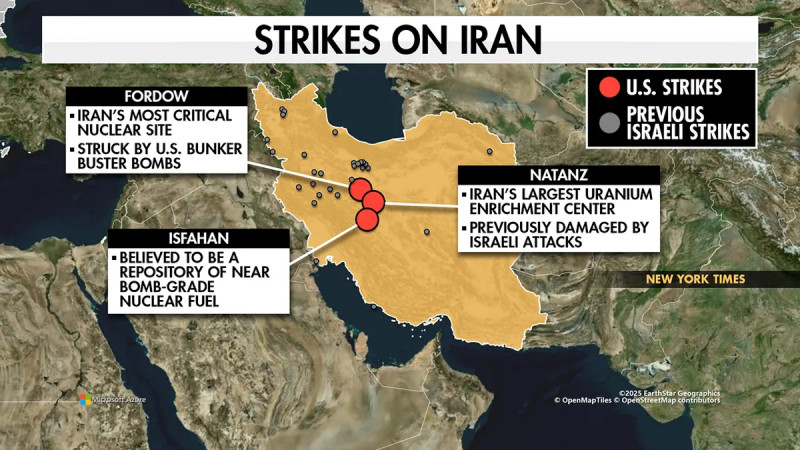
In a dramatic escalation of tensions, Iran has issued a stern warning to the United States, threatening to target military bases in the region if President Donald Trump orders a strike on Iranian soil. This development has led to a flurry of activity, with the US and UK withdrawing personnel from a key military base in Qatar. The situation has raised concerns about potential military conflict and the broader implications for Middle East stability.
Iran’s warning comes as a direct response to Trump's repeated threats to intervene in Iran's internal affairs, particularly in support of ongoing protests across the country. The protests, which have seen widespread unrest, have been met with a harsh crackdown by Iranian security forces. Trump has openly advocated for the protesters, urging them to take over institutions and promising "very strong action" if Iran executes any of the demonstrators.
In a display of escalating tensions, Iran has not only targeted the US but also warned neighbouring countries that host American military bases. This is part of a broader strategy to ensure that any potential conflict remains confined to the region, rather than drawing in broader international support for the US. The Iranian government has asked regional states to prevent a US attack, highlighting the complex geopolitical dynamics at play. The situation has prompted a review of US military strategy and the potential for broader military engagement in the Middle East.
The decision by the US and UK to withdraw military personnel from the base in Qatar underscores the seriousness of the threat. The move is seen as a preemptive measure to avoid potential casualties and to ensure that any retaliatory action by Iran does not result in a broader conflict. The partial closure of Iranian airspace further complicates the situation, adding another layer of security concerns in an already volatile region.
As the situation unfolds, Iran’s threats underscore the delicate balance of power in the Middle East and the potential for escalation. The US, meanwhile, continues to monitor the situation closely, with Trump reiterating his support for the protesters and his readiness to take "strong action" against any perceived aggression. The coming days will be critical in determining whether diplomatic efforts can de-escalate the situation or if the region is on the brink of a broader conflict.