Dry January 2026: A month‑long sobriety challenge
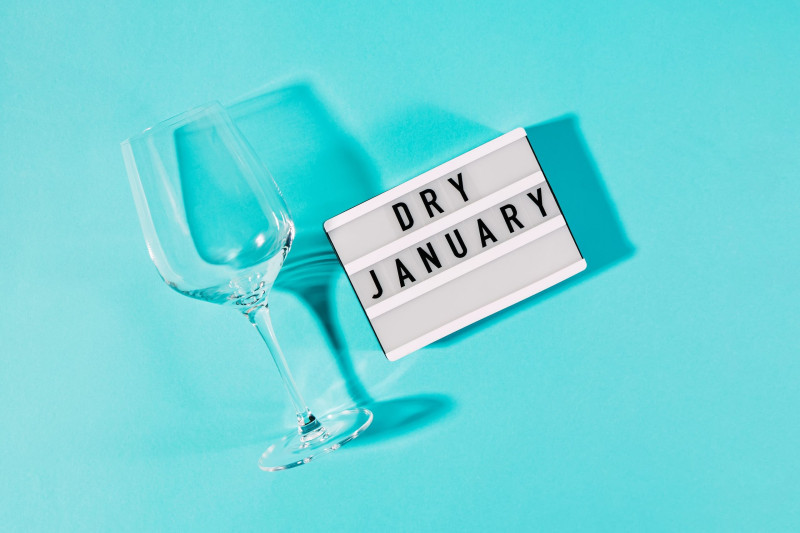
Participants in Dry January 2026 are encouraged to abstain from alcohol for the entire month, aiming for better sleep, energy, and mood as part of a healthier lifestyle.
Key points
- Dry January 2026 invites people to skip alcohol for 31 days to reset after holiday excesses.
- The challenge offers weekly plans, research‑backed progress tracking, and social‑pressure strategies.
- Nonalcoholic drinks and smart swaps help keep the experience enjoyable and sustainable.
- Benefits cited include improved sleep, boosted energy, and enhanced mood.
- Support systems and resources are available to help participants stay motivated and succeed.
As the New Year kicks off, many individuals are embarking on a journey of sobriety with Dry January 2026. This annual challenge encourages participants to abstain from alcohol for the entire month, offering a much-needed reset after the festive season's excesses. The initiative has gained significant traction, with numerous resources and support systems in place to help participants succeed.
Dry January is not just about abstaining from alcohol; it's about promoting overall well-being, mental clarity, and healthier lifestyle choices. By committing to a month-long break from alcohol, participants can experience a range of benefits, including improved sleep, boosted energy, and enhanced mood. This challenge serves as a practical step toward mindful drinking and a more balanced lifestyle.
The Dry January 2026 challenge provides a structured approach to achieving these goals. By breaking down the month into manageable weekly plans, participants can track their progress and stay motivated. The week-by-week strategy is backed by research, offering insights into what improvements can be expected and how to handle social pressures. This comprehensive plan ensures that participants are well-prepared to navigate the challenges of the first month of the year without relying on alcohol.
One of the key advantages of Dry January is the opportunity to reset drinking habits in a supportive environment. Participants can explore a variety of nonalcoholic alternatives, making the challenge more enjoyable and sustainable. The rise of nonalcoholic drinks and smart swaps has made it easier than ever to embrace a sober lifestyle, even in social settings.
To make the most of Dry January 2026, it's essential to prepare in advance. This includes understanding the health benefits, setting clear goals, and finding creative ways to stay engaged and motivated. Research shows that excessive alcohol use is linked to various health risks, making a month-long break a valuable step toward better health. By taking the time to plan and educate yourself, you can set yourself up for success and make the most of this transformative experience.
So, if you're considering joining the Dry January 2026 movement, remember that it's about more than just giving up alcohol—it's about embracing a healthier, more mindful way of life. With the right tools, support, and a little bit of determination, you can make this January a turning point toward a more balanced and fulfilling lifestyle.
Your questions, answered
What is Dry January 2026?
It is an annual challenge where participants abstain from alcohol for the entire month of January to promote well‑being and healthier habits.
What benefits can participants expect?
Participants may experience improved sleep, increased energy, and better mood, according to the article.
How can people prepare for the challenge?
The article suggests setting clear goals, learning about health benefits, and using weekly plans and nonalcoholic alternatives.
How does this story make you feel?
Topics
 Up next · HealthUnderstanding influenza: symptoms, vaccines and prevention