Honda's Latest Recall Spotlights Takata Airbag Dangers

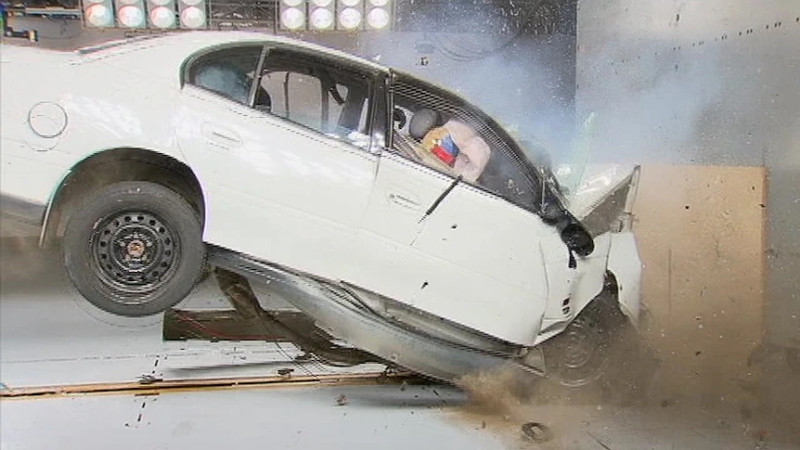
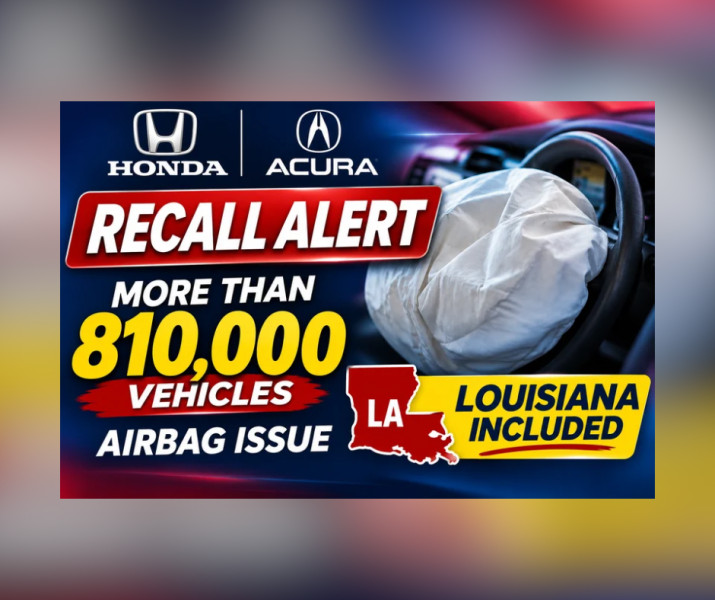
In an automotive industry where innovation often trumps safety concerns, Honda's recent recall of over 810,000 vehicles serves as a stark reminder of the lingering dangers posed by defective airbag inflators manufactured by Takata Corporation. This recall, which includes popular models like the Honda Civic and CR-V, underscores the enduring impact of a problem that has plagued automakers for years. The Takata airbag inflators, known for their potential to rupture and send metal fragments into the cabin, have been the subject of numerous recalls since the early 2010s.
A Decade-Long Saga: The Takata Airbag Crisis
Takata airbags, once a staple in modern vehicles, have been the catalyst for the largest automotive recall in history. The problem lies in the use of phase-stabilized ammonium nitrate (PSAN) propellant in certain inflators, which can degrade over time and cause the inflators to explode upon deployment. This issue has affected millions of vehicles worldwide, including approximately 12.9 million Honda and Acura vehicles in the U.S. alone. The recall includes various models, spanning from 2012 to 2013, highlighting the widespread nature of the defect.
The latest recall by Honda is part of a broader effort by the National Highway Traffic Safety Administration (NHTSA) to address the ongoing risk posed by these defective airbags. The recall drives home the message that Takata airbags are not just a past problem but a present and future threat.
The Latest Recall: What You Need to Know
The recent recall by Honda, which includes 810,592 vehicles, specifically targets models equipped with Takata front driver and/or passenger airbag inflators that contain a moisture-absorbing desiccant. This desiccant was added to mitigate the risk of rupture, but the NHTSA and Honda have determined that the threat remains significant enough to warrant a recall. The affected models include the Honda Civic and CR-V, both popular choices among consumers, emphasizing the urgency and scope of the recall.
This incident brings a reminder of the urgency for owners of these vehicles to take immediate action. Honda is offering free replacements for the defective inflators, a critical step in ensuring the safety of drivers and passengers. Toyota, too, has recently issued a recall for over 310,000 vehicles due to similar airbag issues, indicating that this problem extends beyond Honda's fleet.
Expert Opinion: The Future of Airbag Safety
Boston University Professor of Law and Former NHTSA Administrator, David Strickland, has stated, "The Takata airbag crisis is a testament to the importance of rigorous safety standards and continuous monitoring. It serves as a cautionary tale for automakers and regulators alike, emphasizing the need for proactive measures to prevent such widespread recalls in the future."
The enduring issue highlights the industry's need for more robust safety standards and ongoing vigilance in monitoring airbag technologies. Honda's recent recall, alongside Toyota's, underscores the broader problem that automakers face with legacy defects, necessitating continued efforts to address and mitigate the risks associated with older airbag systems.
In a world where safety is paramount, Honda's recall serves as a reminder that the battle against defective airbags is far from over. With millions of potentially dangerous airbags still in circulation, the automotive industry must remain vigilant and proactive in ensuring the safety of its consumers.
Will Honda's recall be enough to stem the tide of Takata's troubled legacy, or will the industry be haunted by the ghosts of ruptured inflators for years to come? In an era where safety should never take a backseat, the question remains: Are we doing enough to protect our drivers, or are we still driving blind into the unknown?
How does this story make you feel?
 Up next · TechCyberleek's Latest Move Ignites GTA 6 PC Port Hopes