Iowa Army Ammunition Plant Facing Delays in Lead Azide Detonation

The Iowa Army Ammunition Plant, nestled in the heart of the Midwestern United States, has been the center of controversy and concern in recent times regarding the planned detonation of lead azide, a highly unstable and dangerous chemical compound.
Explosive Situation at Iowa Army Plant
In an unprecedented move, the US Army has faced significant delays in its plans to detonate nearly five tons of unstable explosives containing lead azide at the Iowa Army Ammunition Plant. The Army's initial plans were met with an outpouring of public concern and a legal battle that has left the future of the operation in limbo.
The lead azide, a primary explosive used in munitions production, was discovered in a degraded state, crystallizing and creating a dangerous situation that required immediate attention. The Army's experts in munitions chemistry, engineering, and environmental safety were tasked with devising a plan to handle the unstable material.
"The situation at the Iowa Army Ammunition Plant is unprecedented," stated a senior Army official. "The safety of the public and our personnel is our top priority. We are committed to finding a solution that minimizes risk and ensures the safety of the surrounding communities. We will continue to collaborate with local, state, and federal authorities to address the public’s concerns and ensure that the environment is protected ."
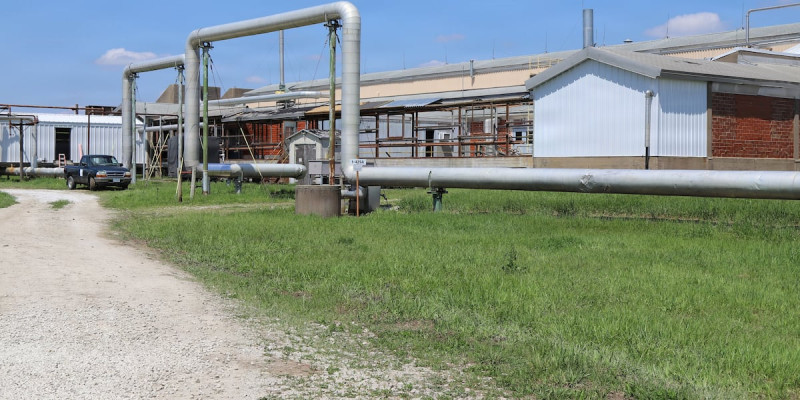
The plant, located in southeast Iowa, has been a focal point for the Army's munitions production. The discovery of the degraded lead azide prompted the Army to plan for a controlled detonation, aiming to destroy 68 drums of the hazardous material. The operation, however, has faced numerous hurdles, including a federal court order that paused the detonation indefinitely.
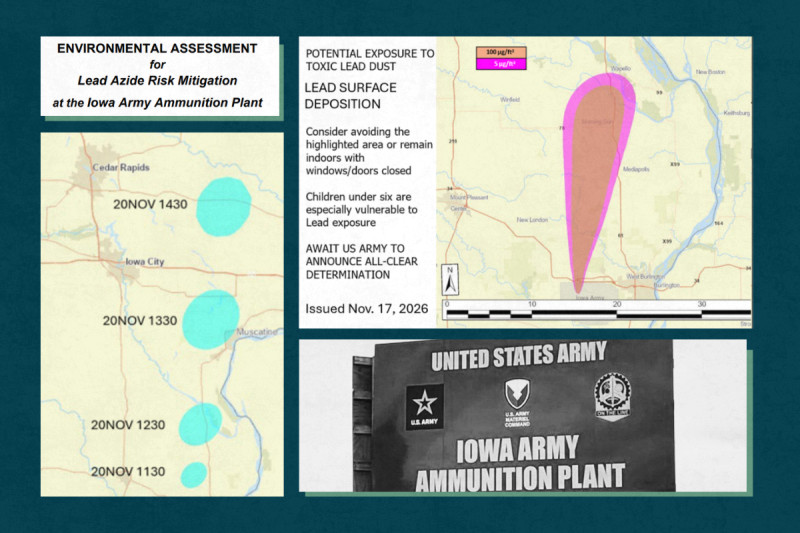
Despite the Army’s assurances, public outcry and environmental concerns have led to widespread opposition. Local residents and environmental groups have expressed fears about the potential release of a toxic plume of dust during the detonation, which could pose significant health risks to the surrounding communities.
Public Outcry and Legal Battles
The planned detonation has sparked intense public outcry, with environmental groups and local residents voicing their concerns about the potential environmental and health impacts. The legal battle has seen a federal judge pause the Army's plans, citing the need for further environmental assessments and public consultations.
"We are deeply concerned about the potential environmental and health impacts of this detonation," said a spokesperson for one of the environmental groups. "The Army needs to conduct a thorough environmental assessment and engage with the public before proceeding with any detonation. The safety of our communities and the environment must be the top priority ."
In response to the public outcry, the Army has delayed the detonation, citing the need for further assessments and public consultations. The pause in the detonation plans has provided an opportunity for the Army to address public concerns and ensure that all safety measures are in place before proceeding.
The legal battle has also highlighted the importance of public involvement in environmental decisions. The lawsuit filed by environmental groups has underscored the need for transparency and accountability in government actions, particularly those that have the potential to impact public health and the environment.
The Army's decision to halt the detonation has been met with mixed reactions, with some hailing it as a victory for public safety and environmental protection, while others have expressed frustration at the delays and the uncertainty surrounding the future of the operation. The Army, however, remains committed to finding a safe and effective solution to the lead azide issue, emphasizing the need for thorough assessments and public engagement.
The Future of Lead Azide Detonation in Iowa
The future of the lead azide detonation at the Iowa Army Ammunition Plant remains uncertain, with the Army's plans subject to further legal and environmental scrutiny. The public outcry and legal battles have highlighted the importance of safety and environmental protection in government operations, underscoring the need for transparency and accountability.
The Army continues to work closely with local, state, and federal authorities to address public concerns and ensure that the environment is protected. The public outcry and legal battles have provided an opportunity for the Army to reassess its plans and ensure that all safety measures are in place before proceeding with any detonation.
As the Army continues to navigate the complexities of the lead azide detonation, the safety of the public and the environment remains a top priority. The Army's commitment to transparency and accountability will be crucial in ensuring that the detonation, if it proceeds, is carried out in a safe and environmentally responsible manner.
In the meantime, the Iowa Army Ammunition Plant remains under the watchful eye of the public and environmental groups, with the future of the lead azide detonation hanging in the balance. The Army's plans, subject to further legal and environmental scrutiny, will need to address the concerns of the public and ensure that all safety measures are in place before any detonation can proceed.
As the situation unfolds, the focus remains on the need for safety, transparency, and public engagement in ensuring that the detonation, if it proceeds, is carried out in a manner that prioritizes the well-being of the public and the environment. The Army's commitment to these principles will be crucial in navigating the challenges ahead and ensuring a safe and environmentally responsible outcome in the Iowa army lead azide detonation.
How does this story make you feel?
 Up next · PoliticsIowa Army Lead Detonation: A Toxic Cloud of Controversy