Flu Symptoms 2026: The Latest on a Challenging Flu Season
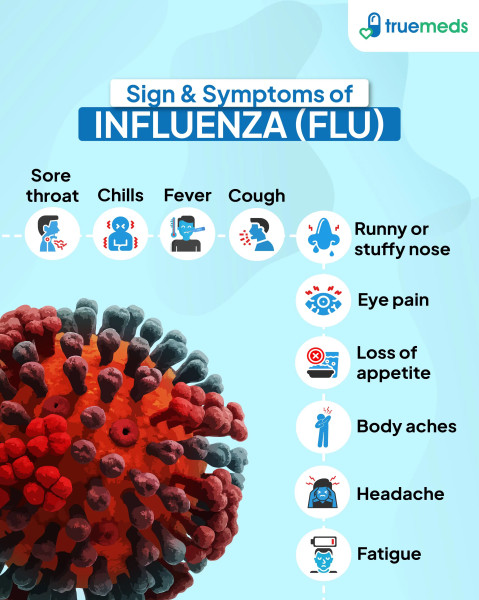
As we enter 2026, flu symptoms are evolving, and the influenza season is already proving to be more challenging than in previous years. The emergence of new variants, such as the H3N2 subclade K, has health officials worldwide on high alert. This strain, known as the "super flu," is causing dangerous fevers and lung damage, which require immediate medical attention. With the flu spreading rapidly, it's crucial to recognize the symptoms and take proactive measures to protect your health.
According to the Centers for Disease Control and Prevention (CDC), flu activity is high, with 33,000 people hospitalized in the last week of 2025 alone. The flu season is already underway, and cases are rising in 32 states. Symptoms to watch for include fever, body aches, chills, fatigue, and a persistent cough. The CDC emphasizes the importance of flu vaccination, especially for vulnerable populations such as children, pregnant women, and adults with compromised immune systems. For the 2025-2026 flu season, the CDC recommends seasonal flu vaccination with single-dose formulations of flu vaccine that are free of thimerosal as a preservative.
In 2026, influenza symptoms are coming on quickly, often starting with fatigue and chills, followed by fever, body aches, and a persistent cough. These symptoms can last from a few days to two weeks, making it crucial to seek early detection and treatment. Experts warn that the K-variant "super flu" triggers an immune overreaction and rapid respiratory distress, making it particularly dangerous. To reduce the risk of severe complications, health officials advise getting vaccinated, maintaining good hygiene, getting adequate sleep, staying hydrated, and ensuring sufficient vitamin D intake.
Distinguishing flu symptoms from those of a cold or COVID-19 can be challenging. Unlike a cold, which typically starts with a sore throat, the flu often begins with a sudden onset of high fever, body aches, and fatigue. COVID-19 symptoms may include fever, cough, and shortness of breath, but they can also cause loss of taste or smell, which is less common with the flu. If you experience severe symptoms such as difficulty breathing, persistent pain or pressure in the chest, sudden dizziness, confusion, or severe vomiting, seek medical attention immediately.
The new H3N2 flu strain, which is surging in Florida and other parts of the U.S., is causing concern among health officials. This strain is associated with higher hospitalization rates and more severe symptoms, including lung damage. If you or someone you know has been sick since the new year, it's important to monitor symptoms closely and consult a healthcare provider if they worsen.
In summary, the 2025-2026 flu season is proving to be particularly challenging, with the emergence of new and severe flu variants. Understanding the symptoms, seeking early detection, and taking proactive measures such as vaccination and good hygiene are crucial steps in protecting your health. As the flu continues to spread, staying informed and vigilant will be essential in navigating this flu season.
How does this story make you feel?
 Up next · HealthSavannah Guthrie's Health Update: Recovering After Vocal Surgery