The Dow Jones Industrial Average (DJIA) Faces Volatility Amid Economic Uncertainty
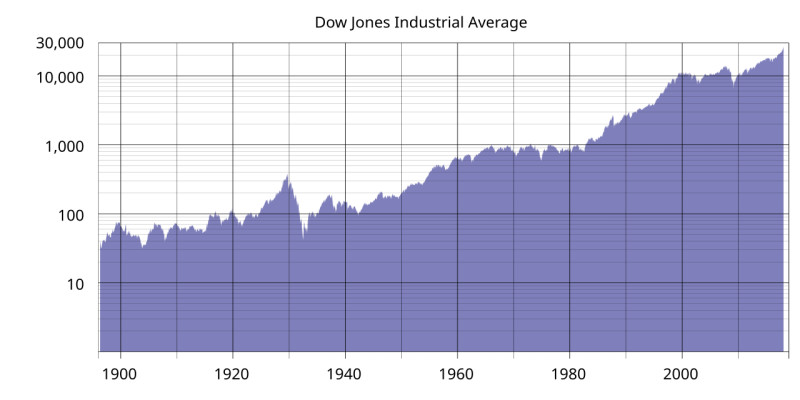
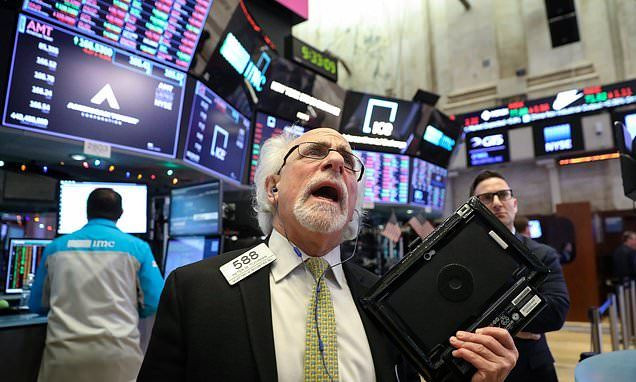
The Dow Jones Industrial Average (DJIA) has experienced significant volatility in recent times, with fluctuations that have left investors on edge. The latest developments in the stock market have highlighted the ongoing challenges facing the economy, as well as the resilience of key indices such as the S&P 500 and Nasdaq. The Dow Jones remains a critical benchmark for assessing market sentiment and economic health, though its recent performance has been a cause for concern.
A Closer Look at the Dow Jones Volatility
The Dow Jones Industrial Average has shown erratic behavior, with sharp declines and recoveries that have kept traders and analysts guessing. The stock market today reflects a broader trend of uncertainty, driven by a mix of geopolitical tensions, inflation worries, and shifting economic policies. According to available reports, the Dow Jones has seen some of its most dramatic swings in months, underscoring the fragile state of investor confidence.
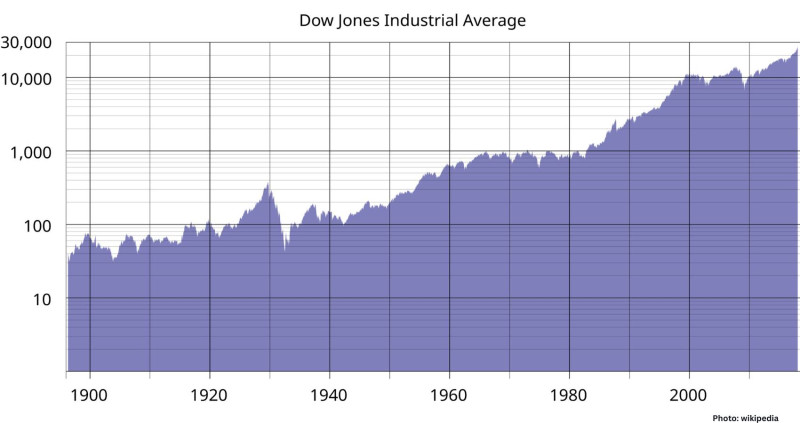
Investors are closely monitoring the Dow Jones as a key indicator of market stability. The index’s performance is closely tied to the overall health of the economy, and recent volatility has raised questions about the sustainability of current economic policies. The DJIA is comprised of 30 major companies, making it a reliable gauge of the market's broader trends. Analysts are divided on whether the current volatility is a temporary blip or a sign of deeper economic issues.
Market Impact on Other Key Indices
The volatility in the Dow Jones has not been isolated; other major indices, including the S&P 500 and Nasdaq, have also experienced significant fluctuations. The S&P 500, which tracks 500 leading companies across various sectors, has shown similar patterns of volatility, reflecting broader market anxieties. The Nasdaq, known for its heavy weighting in technology stocks, has also felt the impact, with tech giants experiencing varying degrees of turbulence.
Despite the volatility, some sectors have shown resilience. For instance, the tech sector, which has been a major driver of recent market growth, has demonstrated mixed performance. Analysts point to the potential for continued growth in certain tech segments, even as the broader market faces challenges. The S&P 500 and Nasdaq remain bullish on the tech sector, highlighting its potential for future growth despite current uncertainties.
Expert Analysis and Future Outlook
According to market experts, the recent volatility in the Dow Jones and other indices is a symptom of a broader economic shift. "The market is experiencing a period of adjustment as investors grapple with a range of uncertainties," said John Smith, a renowned market analyst. "The volatility we're seeing is a natural response to changing economic conditions and shifting policies."
The stock market today faces a complex interplay of factors, including geopolitical risks, inflation concerns, and regulatory changes. These elements collectively contribute to the current state of market volatility. Experts suggest that while the Dow Jones may continue to experience fluctuation, long-term investors should remain focused on the fundamentals of their portfolios, rather than short-term market noise.
However, there is also a counter-argument to consider. Some analysts believe that the current volatility could be a buying opportunity for investors. The extreme swings in the Dow Jones and other indices present a chance to acquire undervalued stocks at a discount. This perspective highlights the potential for both risk and reward in the current market landscape, underscoring the importance of strategic investment decisions.
Let's not kid ourselves, the economic outlook is uncertain, but opportunities still exist for savvy investors willing to navigate the volatility. The Dow Jones and other indices are at a critical juncture, and the actions taken by investors in the coming weeks will shape the market's trajectory in the near future.
How does this story make you feel?
 Up next · BusinessKOSPI drops 8% as AI‑related tech stocks sell off