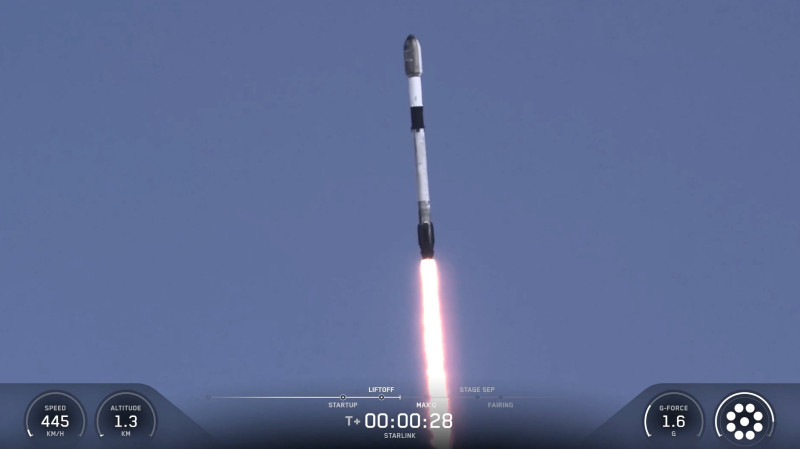
Starlink: Revolutionizing Global Internet Access with Satellite Constellations
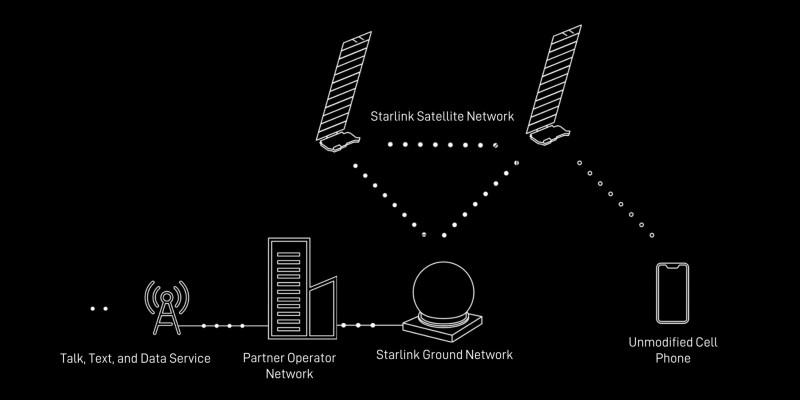
In the realm of **satellite internet**, Starlink has emerged as a pioneering force, aiming to connect the world with high-speed, low-latency internet access. Developed by the aerospace company SpaceX, Starlink is transforming internet connectivity, especially in remote and underserved areas. Let's explore the intricacies of this cutting-edge technology and its impact on global communication.
Starlink's satellite constellation is managed by Starlink Services, LLC, a subsidiary of SpaceX. With coverage spanning approximately 150 countries and territories, Starlink is designed to provide global mobile broadband, ensuring that even the most distant regions have access to reliable internet connectivity. The constellation currently consists of over 6,000 satellites, making it the largest active satellite network in the world.
The heart of Starlink's success lies in its advanced satellite technology. Each Starlink satellite operates in a low Earth orbit (LEO), significantly reducing latency and enhancing internet speeds. These satellites are equipped with advanced features such as a built-in WiFi router, lower power consumption, and a DC power input, enabling maximum download speeds exceeding 100 Mbps.
Starlink's versatility is showcased through its range of products, including the Starlink Mini, a compact and portable kit designed for on-the-go connectivity. This device is perfect for travelers, providing high-speed, low-latency internet access in remote locations. The kit's portability and ease of use make it a game-changer for those who need reliable internet access while on the move.
One of the most impressive aspects of Starlink is its durability and resilience. Designed to withstand harsh weather conditions, the Starlink Kit can endure extreme elements such as melting snow, heavy rain, and strong winds. This robustness ensures that users in diverse climates can rely on consistent internet access.
For those curious about Starlink's presence in the sky, there are several tools available for tracking. The Starlink Satellite Tracker allows users to monitor the live positions of Starlink satellites and even spot them in real time across the United States. Additionally, interactive maps and launch tables provide detailed information on satellite positions, enabling enthusiasts and researchers to stay updated on the constellation's movements.
As Starlink continues to expand its satellite constellation, the company aims to have up to 42,000 satellites in orbit, significantly increasing global internet coverage. The lifespan of each Starlink satellite is approximately five years, ensuring that the network remains efficient and up-to-date. This ambitious plan underscores SpaceX's commitment to making global internet access a reality, bridging the digital divide and bringing connectivity to even the most remote corners of the world.
How does this story make you feel?
 Up next · TechFujifilm Unveils the Instax Mini Evo Cinema: A Retro-Futuristic Hybrid Camera