Pecorino Romano cheese recall prompts nationwide alert
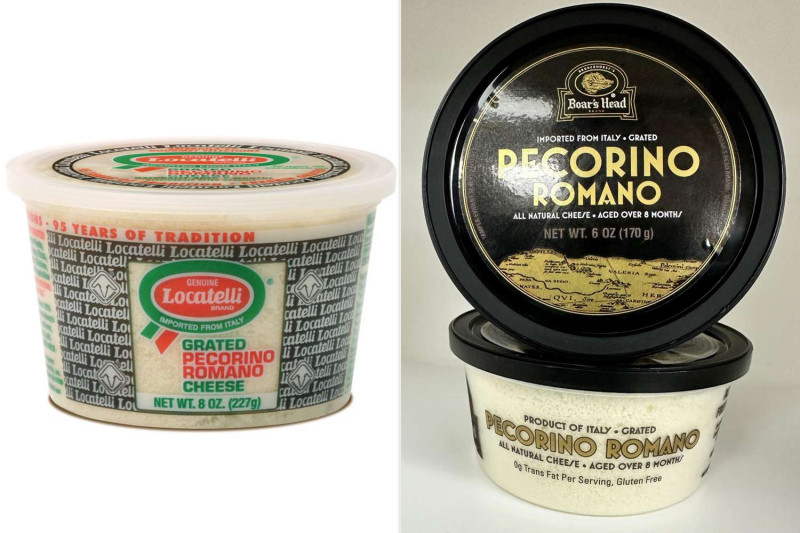
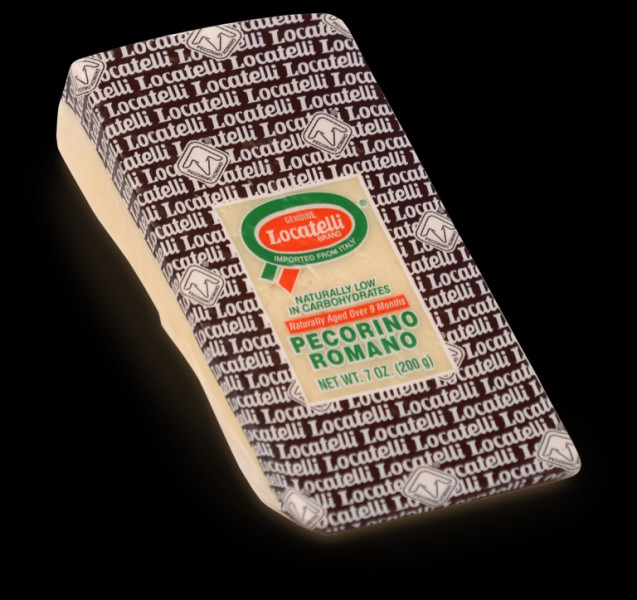
The FDA upgraded a recall of grated Pecorino Romano cheese to Class I after confirming Listeria monocytogenes, affecting products sold in 20 states under brands such as Boar’s Head and Locatelli, and urging consumers to discard the cheese immediately.
Key points
- FDA reclassified the recall of grated Pecorino Romano cheese as Class I, the highest risk level.
- Lab tests found Listeria monocytogenes in products supplied by Ambriola Company.
- The recall covers cheese sold in 20 states under brands including Boar’s Head and Locatelli.
- Consumers are instructed to discard the cheese and seek medical help if symptoms appear.
In a significant move to protect public health, the U.S. Food and Drug Administration (FDA) has issued a Class I recall for thousands of units of grated Pecorino Romano cheese products distributed across 20 states. This recall, the highest risk level, underscores the potential for serious illness or even death due to Listeria monocytogenes contamination.
On January 6, 2026, the FDA reclassified the recall as Class I, nearly two months after the initial recall was issued by the Ambriola Company. The FDA's highest risk level was assigned after lab tests confirmed the presence of Listeria monocytogenes, a bacteria known to cause severe illnesses, particularly in vulnerable populations such as pregnant women, newborns, the elderly, and those with weakened immune systems.
The recall affects a wide range of grated Pecorino Romano cheese products sold under various brand names, including Boar's Head and Locatelli. Ambriola Company, a supplier for these brands, has been identified as the source of the contamination. The affected products were sold in 20 states, and consumers are advised to discard any recalled cheese products immediately.
The FDA's prompt action and the reclassification of the recall to Class I highlight the severity of the contamination. Listeria monocytogenes can lead to listeriosis, a serious infection that can cause fever, muscle aches, and gastrointestinal symptoms. In severe cases, it can result in hospitalizations, miscarriages, and even death.
The impact of this recall extends beyond immediate health concerns. It serves as a reminder of the rigorous standards and continuous monitoring required in the food industry to ensure public safety. Companies like Ambriola, Boar's Head, and Locatelli must now work diligently to address the contamination and regain consumer trust.
The FDA has provided a list of affected products and states, urging consumers to check their purchases carefully. Those who may have consumed the recalled cheese and are experiencing symptoms are advised to seek medical attention promptly. This recall emphasizes the importance of vigilance in food safety and the critical role of regulatory bodies in safeguarding public health.
In conclusion, the Pecorino Romano cheese recall underscores the ongoing challenges and responsibilities in maintaining food safety standards. The FDA's decisive action in reclassifying the recall to the highest risk level reflects the gravity of the situation and the need for immediate consumer awareness and action. As the investigation continues, consumers are urged to stay informed and prioritize their health by following the FDA's guidelines.
Your questions, answered
What is the risk level of the Pecorino Romano cheese recall?
The FDA classified it as a Class I recall, indicating the highest risk of serious illness or death.
Which brands are affected by the recall?
Grated Pecorino Romano cheese sold under Boar’s Head and Locatelli, among other brand names, is affected.
What should consumers do if they have the recalled cheese?
They should discard the product immediately and seek medical attention if they experience symptoms.
Quick poll
Will you check your cheese for the recall?
0 votes
How does this story make you feel?
Topics
 Up next · HealthFDA upgrades Locatelli Pecorino Romano recall to Class I