Egg Recall Alert: 2026's Salmonella Scare
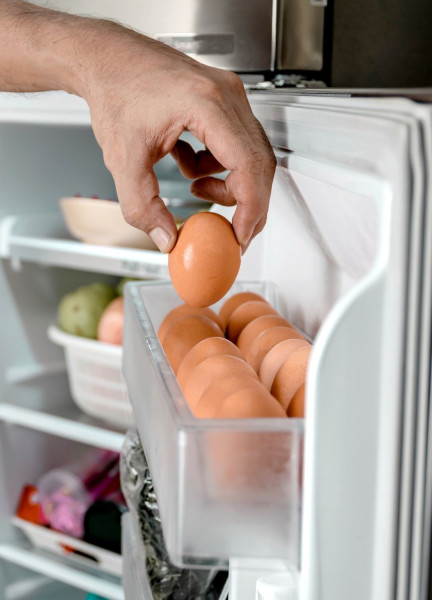
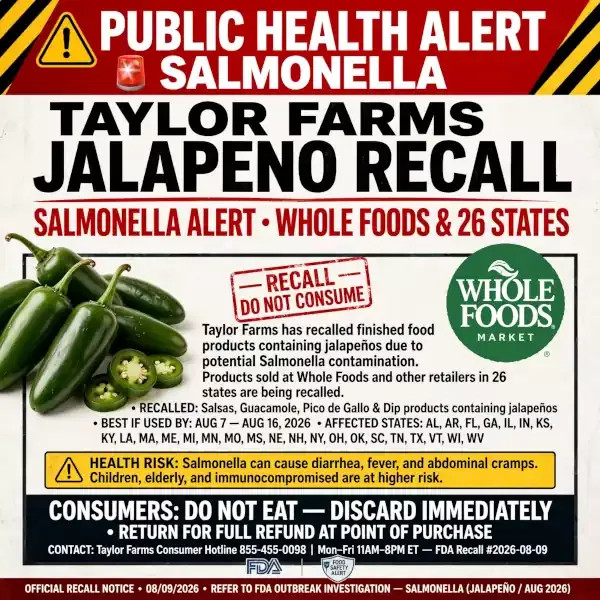
Look, it's a tough time for egg lovers. On July 28, 2026, the news broke that millions of eggs have been recalled due to a salmonella outbreak. (Sound familiar?) This isn't just a small hiccup; we're talking about a significant food safety issue that's rattled the country. Here’s the rundown of what you need to know about the latest recall and salmonella scare.
Salmonella Outbreak: The Current Egg Recall
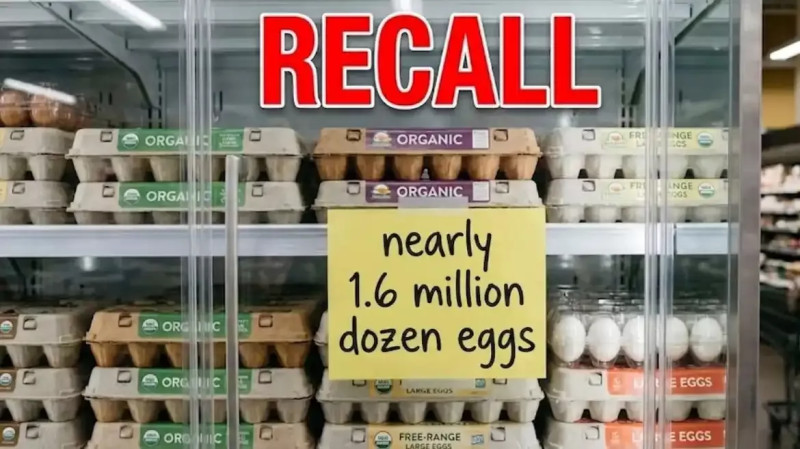
Here's the thing: 19 million eggs are now off the market. The recall, announced on July 28, 2026, was triggered by a salmonella outbreak that has already infected nearly 100 people. The affected eggs, produced in Texas, were distributed to various states, including retail and food-service customers, meaning they might have ended up on your kitchen table or in your favorite restaurant.
The U.S. Food and Drug Administration (FDA) and the Centers for Disease Control and Prevention (CDC) are working overtime to identify and contain the outbreak. The impacted products include white and brown cage-free eggs sold under several brand names, including Kroger. The recall spans a wide range of dates and locations, making it a challenge for consumers to know if their eggs are safe.
Salmonella Symptoms: What to Watch For
Salmonella infections can be serious. Symptoms typically include diarrhea, fever, and abdominal cramps, and they usually start within 12 to 72 hours after exposure. (And then — get this — it can last for up to a week.) While most people recover without treatment, it can be particularly dangerous for young children, the elderly, and those with compromised immune systems. If you or someone you know has consumed these eggs and is experiencing symptoms, it's crucial to seek medical attention.
Food safety experts are advising consumers to check their eggs. If you have any recalled eggs at home, the best thing to do is throw them out or return them to the store where you purchased them. The recalled eggs have specific sell-by dates and a unique code, "CA 7695," on their cartons. If you spot this code, it's a clear sign to avoid these eggs.
How to Stay Safe: Tips and Precautions
So, what can you do to stay safe? First, be vigilant. Check your refrigerator for any eggs that match the recall criteria. (Yes, we know it's annoying, but better safe than sorry.) Second, practice good food safety habits. Wash your hands thoroughly after handling eggs, cook them to a safe internal temperature, and keep them refrigerated.
Those who enjoy eggs regularly (like me) might want to consider temporarily switching to other protein sources until the recall is resolved. It's a small but necessary step to ensure your safety. Also, if you have any doubts about the safety of the eggs you have, it's always better to err on the side of caution and avoid them.
Experts emphasize that this recall is a reminder of the importance of food safety and the need for vigilance. Keep an eye out for updates from the FDA and CDC, and don't hesitate to reach out to healthcare providers if you have any concerns. After all, your health is too important to take chances with.
That FDA is on it, though. They’ve issued multiple notices and updates to keep the public informed. Here’s a snippet from their latest statement:
“Laboratory, epidemiological, and traceback data from this investigation indicated that the 19 million eggs produced in Texas and distributed under several brand names in six states are the likely source of this outbreak. We strongly urge the public to check their eggs and follow the recall guidelines to ensure their safety.” FDA
So, keep your eggs safe, and let’s hope this salmonella scare is over soon.
How does this story make you feel?
 Up next · HealthUS Cholesterol Guidelines 2026: 50% of Adults Now Eligible for Statin Therapy