SpaceX Rocket in Unplanned Lunar Collision
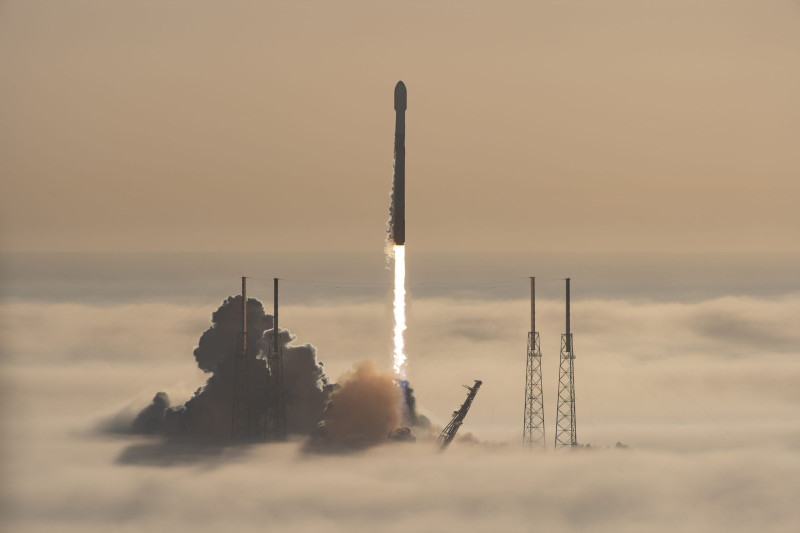
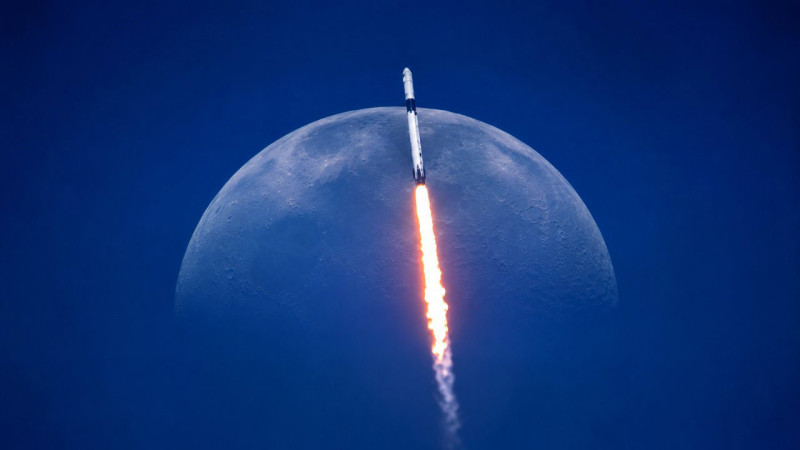
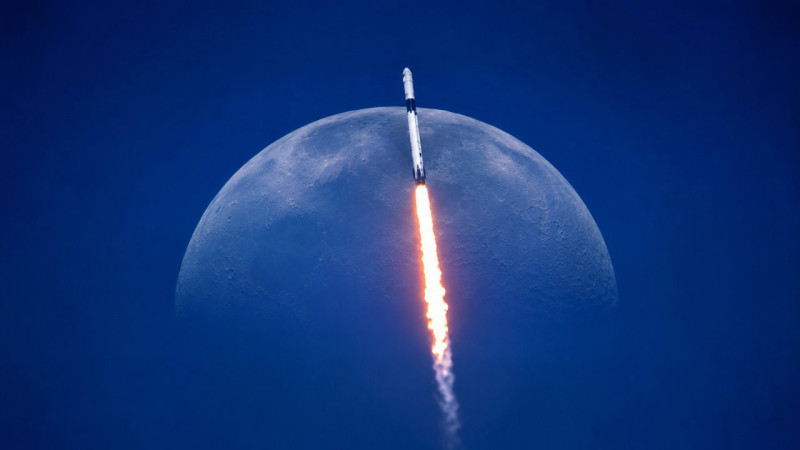
At 5,400 miles per hour, a four-ton chunk of a SpaceX rocket struck the moon's surface. The impact was unintentional, as the rocket's upper stage was not designed to reach Earth orbit. It had been traveling through space for years.
The Rocket's Impact on the Moon
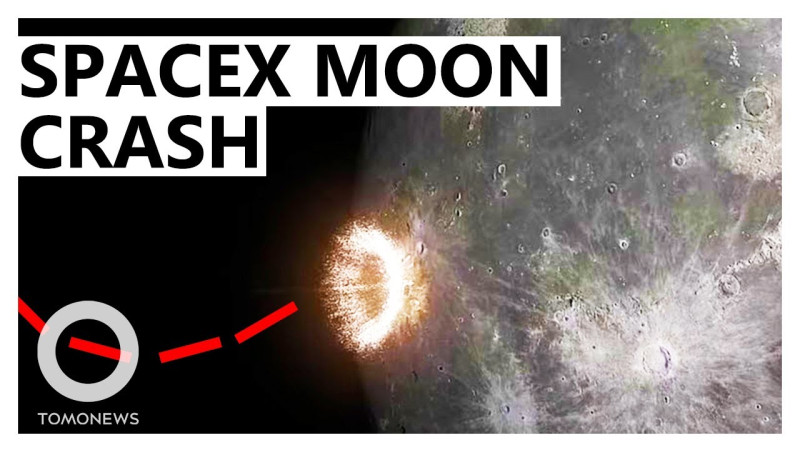
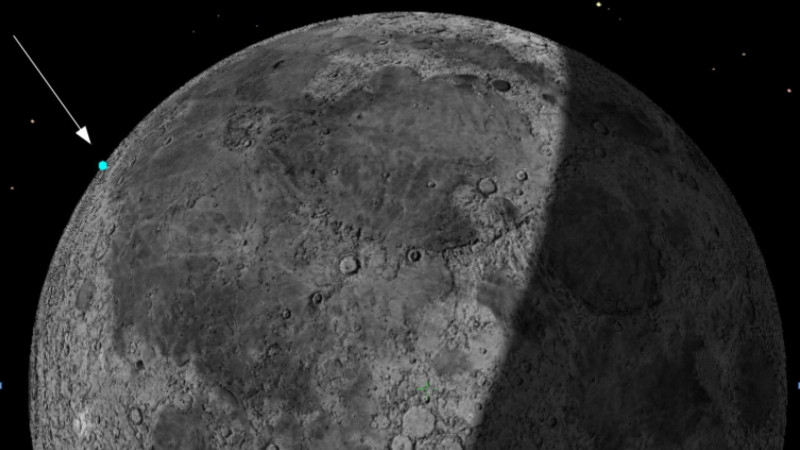
On Wednesday, August 5, 2026 morning, the SpaceX rocket crashed into the moon. The impact site was Einstein Crater, located on the moon's western limb. This area is challenging to observe from Earth, making immediate confirmation of the moon crash difficult. The collision left a crater potentially 16 meters wide, a significant mark on the lunar surface.
The Rocket's Journey and Space Debris Concerns
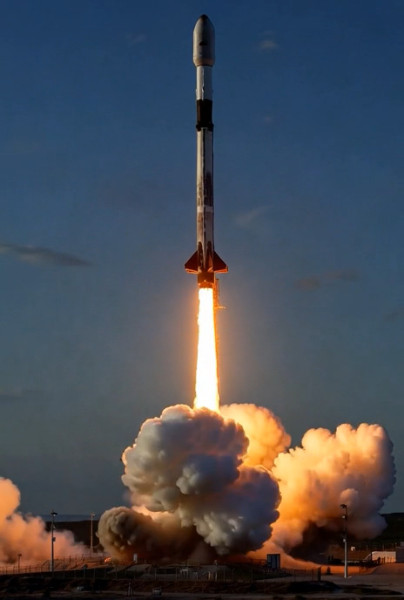
This SpaceX rocket launched in 2022, carrying two private landers to the moon. The rocket's upper stage, which is a part of the Falcon 9 rocket, did not have enough fuel to return to Earth or enter a stable orbit. Instead, it was left to drift through space, eventually colliding with the moon at high speed.
The spacex moon crash has raised concerns about space debris. As more objects are launched into space, the risk of such collisions increases. The lunar surface is now littered with debris from various missions, including the SpaceX rocket that crashed into the moon. This poses a challenge for future moon missions as well.
“With more launches, the likelihood of such events increases. It is a reminder of the need for careful planning and management of space debris,” said an expert.
The upper stage of a SpaceX rocket has been on a collision course with the moon. The rocket's path was altered by a failed attempt to enter a stable orbit, and it was left to drift through space for years. The collision highlights the challenges of managing space debris and the potential risks to future SpaceX rocket missions.
The moon crash is not an isolated incident. Over the years, numerous objects, both man-made and natural, have struck the lunar surface. These impacts have left a lasting imprint, altering the moon's landscape and providing valuable data for scientists. The SpaceX rocket crash will add to this data, offering insights into the dynamics of lunar collisions and the behavior of space debris.
On August 5, 2026, a spacex rocket crashes into the moon, leaving a crater and raising concerns about the future of SpaceX rockets and space debris. As we continue to explore the moon and beyond, the need for responsible space management and debris mitigation becomes ever more critical.
How does this story make you feel?
 Up next · ScienceSpaceX Rocket Crashes on the Moon: Unintended Collision Rocks Lunar Surface