SpaceX Moon Crash: A Surprising Lunar Impact
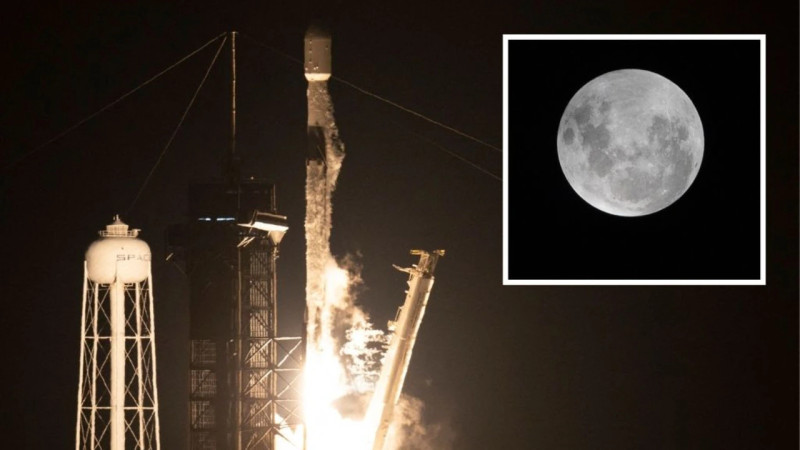
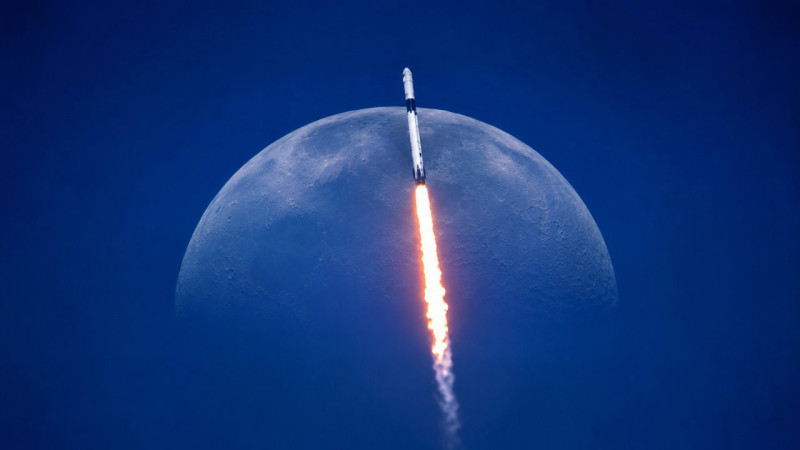
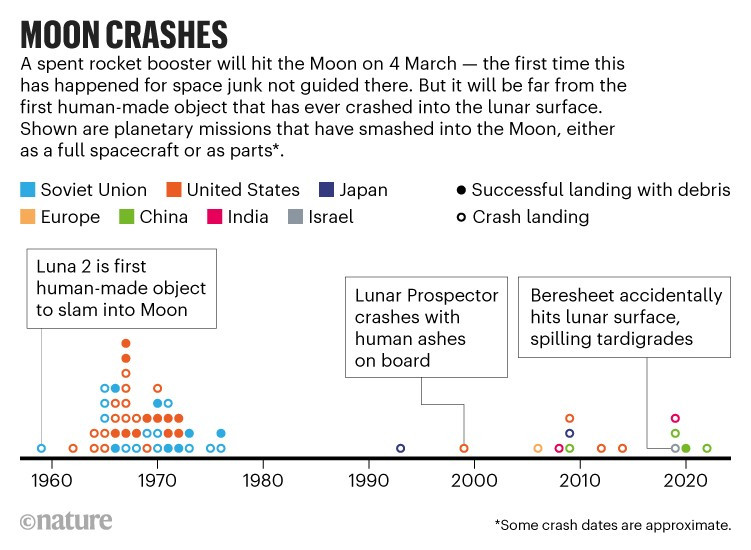
The lunar surface was once a serene expanse, untouched and unspoiled by human intervention. But on a Wednesday morning, an uninvited guest disrupted the moon's tranquil surface and left a lasting mark. A SpaceX rocket, traveling at an astonishing 5,400 miles per hour, struck the lunar surface, and no one saw it coming.
SpaceX Rocket's Unplanned Lunar Journey
The SpaceX rocket that made this unexpected journey is a four-tonne piece of a Falcon 9 rocket. This rocket is part of the second stage, which was launched in January 2025. The rocket was supposed to carry two private lunar landers to the moon, but it missed its mark and ended up on a kamikaze course.
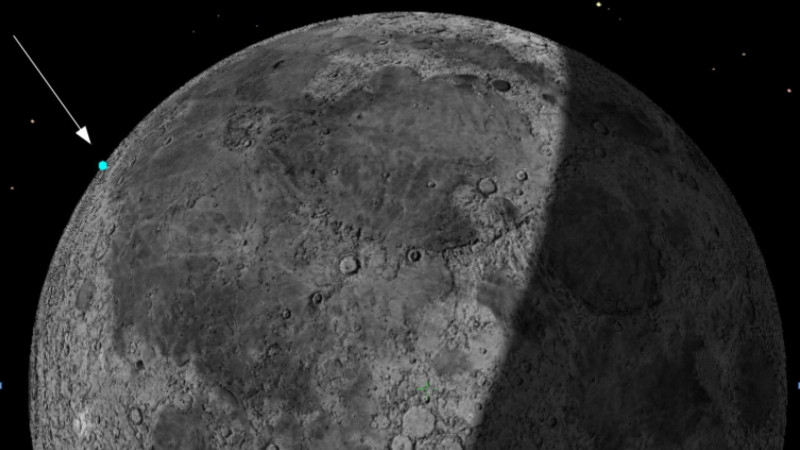
The collision was not an intentional one. The impact occurred in the Einsien Crater on the moon’s western limb, which is often difficult to see from Earth. This location, which is on the far side of the moon, is a testament to the unpredictability of space debris and the unanticipated consequences of human activity in space.
Bill Gray, an astronomer and the developer of Project Pluto, a software program used to track near-Earth asteroids and other objects in space, has been observing the rocket's trajectory. He believes the collision was the result of improper disposal. Gray has been closely tracking the unplanned journey of the SpaceX rocket from the outset of its launch.
What Does the Crash Mean for Future Lunar Exploration?
As space exploration continues to advance, so too does the amount of debris left in its wake. The crash of the SpaceX rocket on the moon raises important questions about the management of space debris and the future of lunar exploration. Experts warn that collisions like these may become more frequent as space debris accumulates.
“This is a wake-up call for the space industry,” says Gray.
“We need to be more mindful of how we dispose of our rockets and other space debris. The moon is not a dumping ground, and we must take steps to ensure that it remains a pristine environment for future exploration and scientific research.”
What Happens Next?
The impact itself was not visible from Earth, and it may take some time before scientists can confirm the exact location and extent of the damage. But one thing is clear: the moon has been forever altered by this SpaceX rocket crash.
NASA has been closely monitoring the situation and is expected to release a statement soon. The agency has been working on ways to mitigate the impact of space debris on the moon and other celestial bodies. But for now, the SpaceX moon crash serves as a stark reminder of the risks and challenges of space exploration and the importance of responsible space management.
As the SpaceX rocket crash leaves a lasting impact, let's consider how our efforts in space might shape the future of our celestial neighbor. The moon is more than just a distant body in the night sky; it is a destination for future exploration and discovery. And with each new mission, we must strive to leave it as we found it, untouched and unspoiled, for generations to come.
How does this story make you feel?
 Up next · TechSpaceX Rocket's Unintentional Lunar Impact: A New Era of Celestial Wreckage