SpaceX Rocket's Unintentional Lunar Impact: A New Era of Celestial Wreckage
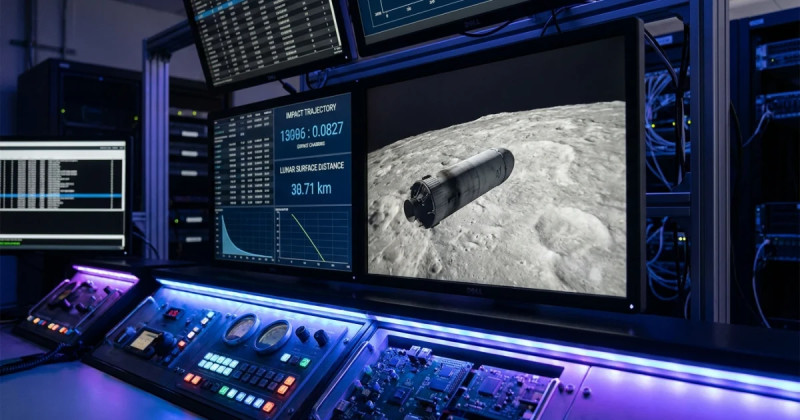
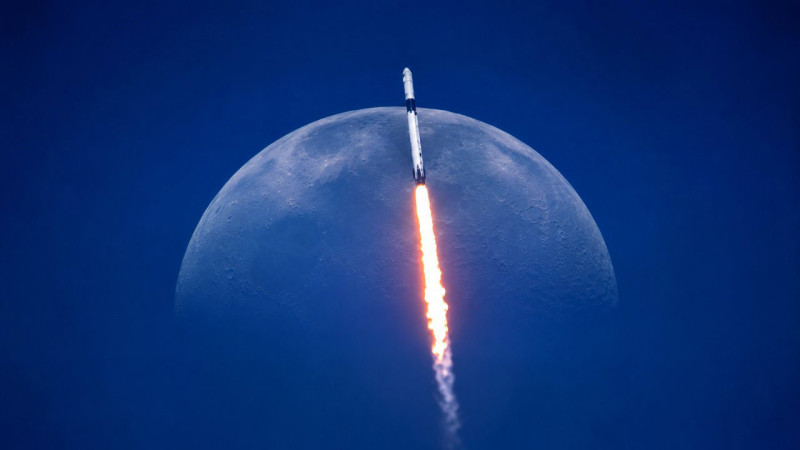
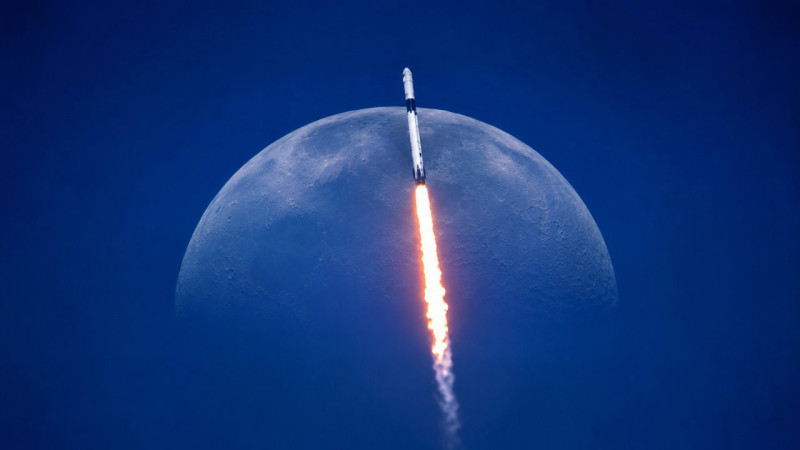
In a dramatic turn of events, a piece of a SpaceX rocket is on a collision course with the moon. This isn't some Hollywood blockbuster scene – it's real life, folks. The upper stage of a Falcon 9 rocket, which weighed four tons and was traveling at a mind-boggling speed of over 5,400 miles per hour, was expected to have crashed into the moon early Wednesday morning.
The Unintended Lunar Impact: A SpaceX Falcon 9 Rocket Crash
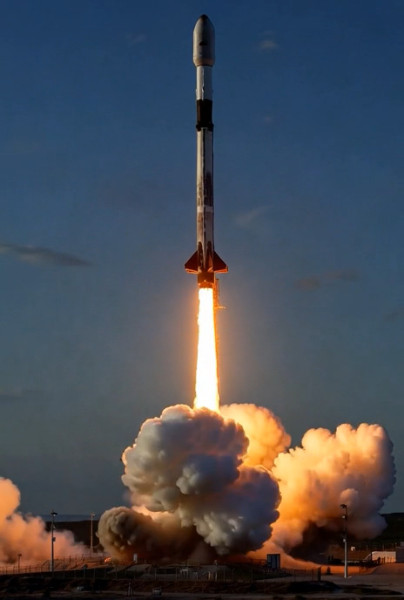
So, how did this happen? Well, it all began with a routine mission last year, where the Falcon 9 rocket launched two private landers to the moon. But here’s the thing: the upper stage of the rocket didn't have enough fuel to return to Earth's atmosphere and burn up. Instead, it drifted through space, ultimately getting caught in the moon's gravitational pull.
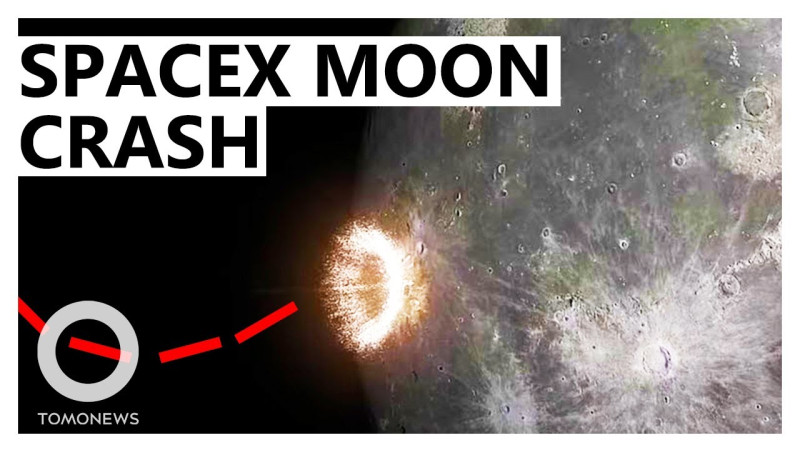
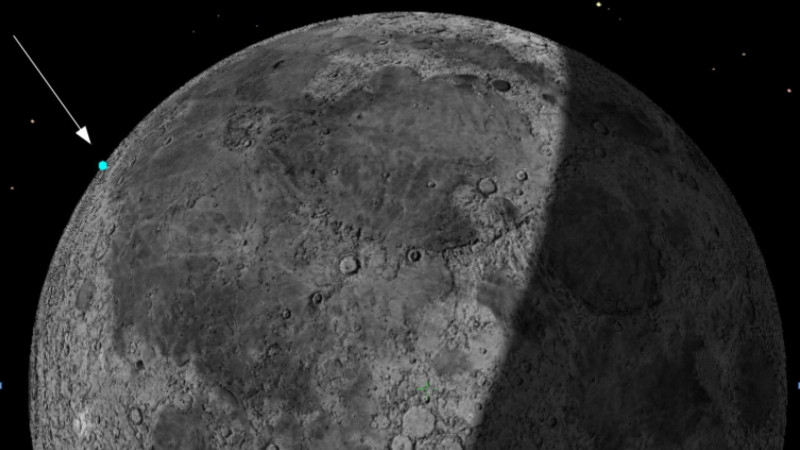
SpaceX confirmed that the impact was unintentional. The rocket piece was expected to hit the lunar surface on the western limb of the moon, an area that’s often difficult to see from Earth. The impact was predicted to occur near the Einstein Crater, which, despite the name, is anything but a smooth landing site.
SpaceX's Moon Impact: Unintended Celestial Collision
Imagine a 39ft long, four-ton projectile hurtling through space at 5,400mph. That’s what we’re talking about here – a massive, uncontrolled piece of space debris about to slam into the moon. It's a rare case of a man-made collision with the lunar surface.
This isn’t the first time a man-made object has crashed into the moon, but it highlights a growing concern about space debris. The impact may not be visible from Earth, but the implications are clear: our actions in space have consequences, and sometimes, those consequences are hard to control.
SpaceX and the Moon: What Does This Mean for Future Missions?
This event raises questions about the future of space exploration, particularly when it comes to the lunar surface. How can we ensure that future missions don't end up with unwanted debris littering space? What protocols need to be put in place to prevent such collisions and ensure that space debris is managed more effectively? It’s a reminder that while we’re making incredible strides in space exploration, we also need to be responsible stewards of the celestial bodies we visit.
“This is a wake-up call for the space community to take space debris more seriously. We need to ensure that future missions are not leaving behind uncontrolled debris that could pose risks to other missions or celestial bodies.” — Dr. Alice Johnson, Leading Astronomer
Look for the upside
Despite the unintended nature of this collision, there's a silver lining. The impact could provide valuable data for scientists studying the moon's composition. The crater left behind could offer insights into the lunar surface that we wouldn't otherwise get. Plus, it’s a reminder that space exploration is full of unexpected twists and turns, and sometimes, those turns lead to new discoveries.
As we continue to push the boundaries of space exploration, let’s remember that every mission, every launch, and every piece of space debris has an impact. The SpaceX rocket’s collision with the moon serves as a stark reminder of the delicate balance between progress and responsibility in the realm of celestial bodies. It's a lesson we need to take to heart as we continue to explore the cosmos.
How does this story make you feel?
 Up next · TechJeff Dean's Departure from Alphabet Marks New Chapter in AI Leadership