Iran Launches Missiles at US Forces: A Deep Dive into the Escalating Conflict
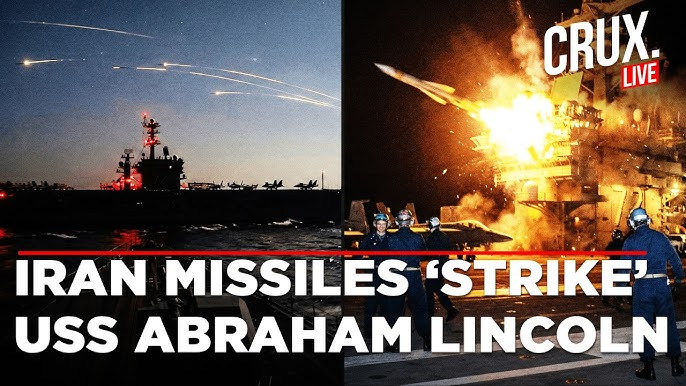
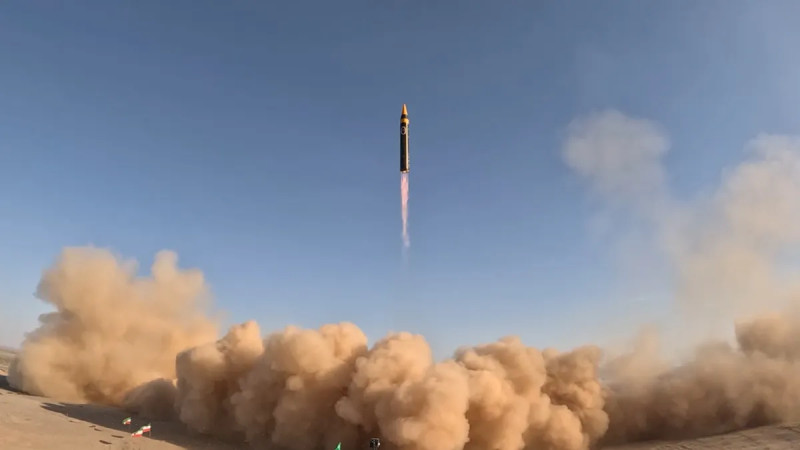
Amid the desolate desert landscape of the Middle East, where the sun barely dips below the horizon, the silence is shattered by the piercing wail of sirens. The US military base, a haven of American might, is now a target. Iran has launched a surprise attack on US forces, an escalation that sends shockwaves through the region. The missiles streak across the sky, a grim reminder of the volatile geopolitical landscape. The US Central Command, or Centcom, swiftly responds, intercepting all incoming threats in a display of defensive prowess. The tension is palpable, the future uncertain.
The Immediate Aftermath: Intercepted Missiles and Escalating Tensions
As the dust settles, the US military confirms that all Iranian missiles have been intercepted, preventing any direct hits on American forces. This attack marks a significant escalation in the ongoing conflict, a tit-for-tat exchange of strikes that have been raging for weeks. The US has launched a series of targeted strikes on Iranian infrastructure, including airports, bridges, railways, and energy facilities, causing “severe damage” according to Iranian officials. The Iranian government spokesperson, Fatemeh, condemns the US actions, highlighting the civilian casualties and infrastructure damage.
Analyzing the Escalation: Strategic Moves and Diplomatic Maneuvers
For the US, the attack on Iranian forces was seen as a deterrent against further aggression. The US military’s persistent strikes against Iran have been aimed at crippling the country’s military capabilities and disrupting its supply chains. The latest wave of US airstrikes, which occurred at 9:40 p.m. ET on Thursday, targeted critical Iranian military installations and weapon depots. The US Central Command (Centcom) announced the completion of the strikes, but the conflict shows no sign of abating. The Iranian attack, however, has raised the stakes, and diplomatic efforts to de-escalate the situation have intensified.
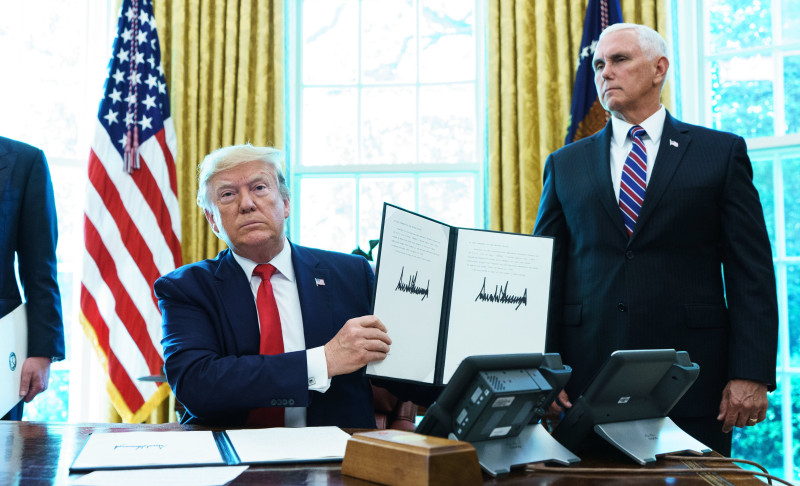
On the diplomatic front, US President Donald Trump has been in close contact with his allies, including Israel. The US-Israeli alliance has been a cornerstone of their strategy against Iran, with joint military operations and coordinated diplomatic efforts. President Trump met with his advisers to discuss further options, indicating a readiness to escalate military operations if necessary.
The recent attack by Iran is a stark reminder of the precarious balance of power in the Middle East. It's a call to action for diplomats and military strategists alike, urging them to find a resolution before the conflict spirals further out of control.
The Regional Impact: Shifting Alliances and Threatening Stability
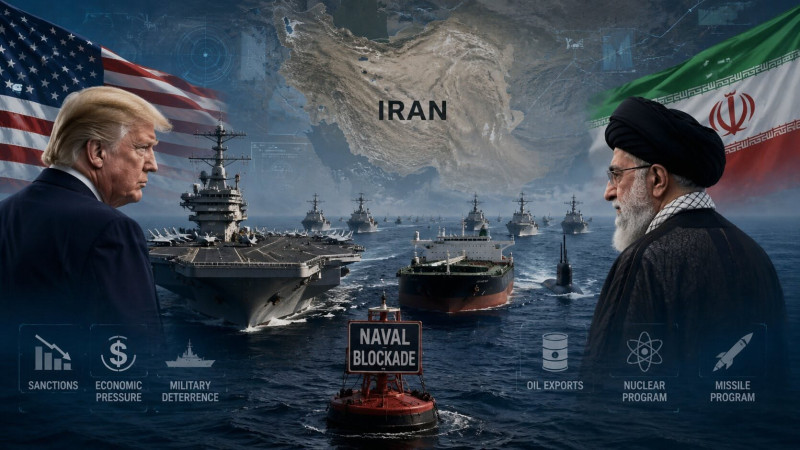
As the conflict escalates, the broader implications for the region are becoming increasingly clear. The Strait of Hormuz, a critical chokepoint for global oil trade, is now a hotbed of military activity. The US military has been patrolling the waters, ensuring the safety of international shipping lanes and preventing Iranian attempts to disrupt maritime traffic. However, the recent attack by Iran has highlighted the vulnerability of these strategic assets. The US must now balance its military response with the need to maintain regional stability, a delicate task that requires diplomatic finesse and strategic acumen.
Saudi Arabia, a key ally of the US, has joined the fray, launching its own strikes against Iranian targets. This move signals a broader regional alliance against Iranian aggression, with countries like Saudi Arabia and the United Arab Emirates (UAE) aligning themselves with US interests. The White House has issued a stern warning to Iran, stating that further military action could result in severe consequences.
Meanwhile, the Kremlin has been closely monitoring the situation, offering a measured response. Russia has called for restraint on both sides, urging diplomacy over military action. The Kremlin's stance reflects its complex relationship with Iran, a key ally in the region, and the US, a global superpower with significant military presence in the Middle East.
As the conflict continues, the fate of the region hangs in the balance. The attack by Iran on US forces is a stark reminder of the volatile nature of geopolitics in the Middle East. The outcome of this conflict will have far-reaching implications, shaping the future of regional stability and global security. Will the US and its allies be able to contain Iranian aggression, or will the conflict escalate further, drawing in more players and heightening the risk of a broader regional war? The world watches and waits, the silence of the desert a stark contrast to the roaring of the battle drums.
How does this story make you feel?
 Up next · WorldAtlanta Bracing for Severe Thunderstorm Watch as Storms Sweep Through