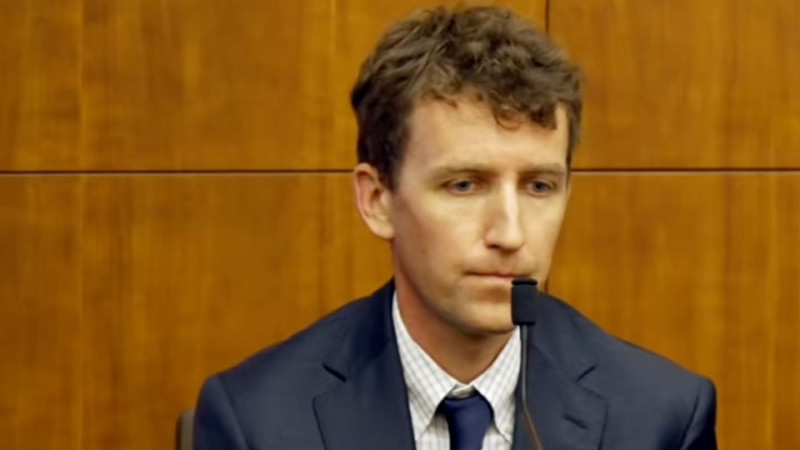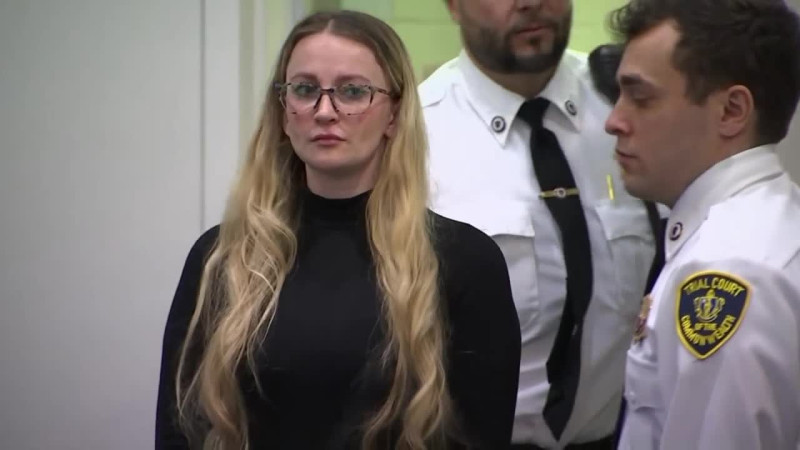
The Kelsey Fitzsimmons trial has gripped the nation, a high-stakes drama unfolding in Massachusetts, where a disgraced former police officer faces the consequences of her actions. Kelsey Fitzsimmons, once a respected member of the North Andover police force, now stands at the center of a storm that has shaken the community and the legal system. The trial, which began in March 2026, has been marked by emotional turmoil, dramatic testimonies, and a verdict that has left many questioning the justice system. The trial's unfolding is a tale of tragedy and uncertainty, where the line between justice and mercy is blurred. Kelsey Fitzsimmons was accused of pointing a gun at a fellow officer during a confrontation at her home in June 2025.
The Unfolding Drama: A Timeline of the Kelsey Fitzsimmons Trial
The Kelsey Fitzsimmons trial began with the 29-year-old officer's arrest following a dramatic incident at her home. On June 30, 2025, Fitzsimmons was involved in a confrontation with fellow officers who were attempting to serve her a restraining order. The situation escalated quickly, leading to Fitzsimmons being shot by a colleague. This incident set the stage for a complex legal battle that would keep the nation on the edge of its seat. The trial, initially scheduled for March 23, 2026, was preceded by a hearing that addressed various motions and administrative matters. The judge modified Fitzsimmons' release conditions, allowing her to move to a different residence in Essex County instead of remaining at her parents' home.
The Verdict: A Shocking Turn of Events
The verdict in the Kelsey Fitzsimmons trial was delivered by Essex Superior Court Judge Jeffrey T. Karp, who ruled in a bench trial. In a surprising twist, Kelsey Fitzsimmons was acquitted of the assault charges against her, highlighting the emotional turmoil and desperation that led to her actions. The acquittal came as a shock to many, given the severity of the charges and the public's expectation. Yet, the judge's decision underscored the complexity of the case, which involved Fitzsimmons' emotional state and her subsequent suicide attempt. The acquittal has sparked a wave of reactions, with critics arguing that the verdict sends a troubling message about accountability within law enforcement. The trial's outcome is a stark reminder of the challenges faced by those in uniform, who often grapple with the emotional fallout of their duties.
One counter-argument to this verdict comes from the legal community. Some experts argue that the acquittal sets a dangerous precedent, potentially emboldening officers to act with impunity in high-stress situations. However, the defense's portrayal of Fitzsimmons as a troubled individual in distress offers a different perspective, one that acknowledges the human cost of police work.
The Aftermath: Looking Beyond the Verdict
As the dust settles on the Kelsey Fitzsimmons trial, the focus shifts to the broader implications of the case. The acquittal raises important questions about the emotional well-being of law enforcement officers and the support systems in place. The trial highlighted the emotional turmoil that Fitzsimmons experienced, leading to her suicide attempt. This aspect of the case has sparked conversations about mental health support within police departments. The assault charges against Fitzsimmons were dropped, but the trial's outcome underscores the need for better mental health resources and protocols for handling high-stress situations. The acquittal may also prompt a review of police training and the protocols in place for serving restraining orders, especially in cases involving emotional distress.
The Kelsey Fitzsimmons trial is a stark reminder of the complexities within the criminal justice system. It highlights the need for a more nuanced approach to handling cases involving emotional distress and mental health issues. As the nation grapples with the aftermath of this trial, it is clear that the conversation around police accountability and mental health support will continue to evolve. The case of Kelsey Fitzsimmons serves as a catalyst for change, pushing the boundaries of what we expect from our law enforcement officers and the systems that support them.
Meanwhile, the future of Kelsey Fitzsimmons remains uncertain. The acquittal offers her a chance to rebuild her life, but the stigma of her past actions will undoubtedly linger. As she steps away from the public eye, the nation reflects on the trials and tribulations that have defined her journey, and the lessons learned from the Kelsey Fitzsimmons trial.
The legal outcome is a stark reminder of the complexities within the criminal justice system. It highlights the need for a more nuanced approach to handling cases involving emotional distress and mental health issues.