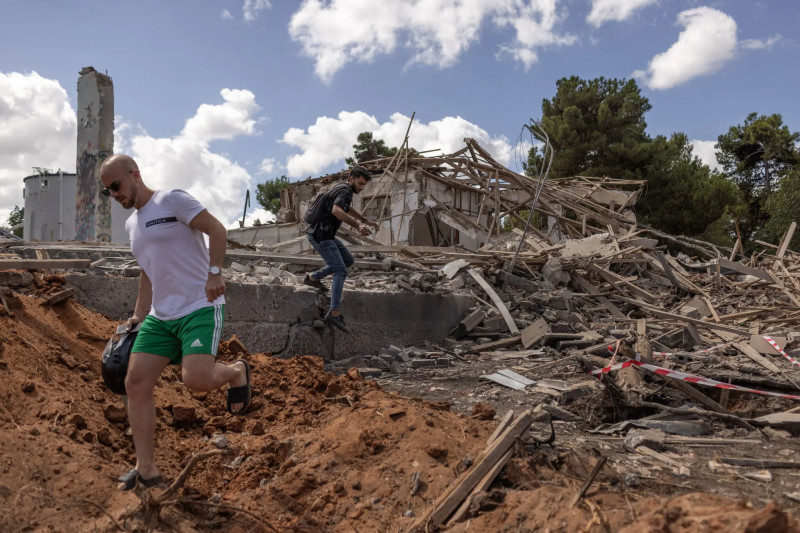
On March 26, 2026, the Middle East remains a powder keg. The Iran Israel war ceasefire remains elusive as Iran and Israel harden their positions, despite concerted international efforts. Iran has rejected a US ceasefire proposal, preferring its own set of conditions to end the conflict. This rejection signifies a deepening military and diplomatic stalemate, which, if unresolved, could endanger global stability and energy supplies.
Iran's Offensive Escalation and Regional Impact
Iran continues its aggressive posture, launching a series of airstrikes against Israel and other Persian Gulf states. The ongoing conflict has caused significant casualties and infrastructure damage, particularly in Kuwait, where fuel tanks were targeted, sparking a massive fire. Tehran’s refusal to accept the US ceasefire proposal and its decision to intensify attacks accentuate the gravity of the situation. Israel, meanwhile, has responded with increased airstrikes, escalating the conflict even further. The Israeli government fears that a premature ceasefire could jeopardize its efforts to dismantle Iran’s nuclear and missile programs.
US Diplomatic Efforts and Iran's Sovereignty Demands
The United States has put forward a 15-point proposal aimed at achieving a ceasefire. However, Iran has dismissed it, demanding instead a series of reparations and asserting sovereignty over the Strait of Hormuz, a critical waterway for global oil trade. Tehran's counterproposal, which includes these demands, suggests that the conflict is not merely about military objectives but also about regional dominance and control over strategic resources. The US, collaborating with international mediators, is pushing for a diplomatic solution that respects the sovereignty of all regional players, but Iran’s inflexibility threatens to derail these efforts. The US has also deployed additional paratroopers and Marines to the region, heightening tensions and raising the stakes of the conflict.
Counterarguments and the Path Forward
One could argue that Iran’s demands, while aggressive, are rooted in historical grievances and a desire for regional influence. However, the continued escalation and refusal to engage in meaningful dialogue suggest that Iran may be more interested in prolonging the conflict to gain leverage. Let’s not kid ourselves, the longer the conflict persists, the higher the risk of a wider regional war, which could draw in other powers and spark a global crisis. Israel’s concerns about a premature ceasefire are valid, but the international community must press for a diplomatic resolution that balances security with the legitimate aspirations of all parties involved. The data is damning – the longer we wait, the higher the cost in lives and resources.
"The situation is incredibly tense. We're navigating uncharted waters, and any misstep could have catastrophic consequences. The international community needs to step up and ensure that diplomacy prevails over military escalation."
- Anonymous Middle East Analyst
The main Iran Israel war ceasefire will only come when Iran, Israel, and the international community can agree on a mutually acceptable framework that respects sovereignty, security, and regional stability. If Israel and Iran continue to reject diplomatic solutions, the world may face another Middle Eastern catastrophe. Iran Israel war ceasefire is a burning question that hangs over the region and the world.