Metformin Brain: The Surprising Twist in Diabetes Treatment
Metformin, the ubiquitous type 2 diabetes drug, has been a linchpin in managing blood sugar for over 60 years. It's a blockbuster, prescribed en masse to millions. But nobody saw this coming: metformin isn’t just a body regulator. It’s a brain changer, a cerebral influencer, tweaking neuronal pathways and, possibly, reshaping our understanding of diabetes and dementia.
The Metformin Brain: A New Pathway Unveiled
Think again about metformin, the drug your grandmother takes to manage blood sugar. It’s not just a blood sugar-regulator. It’s a brain hacker.
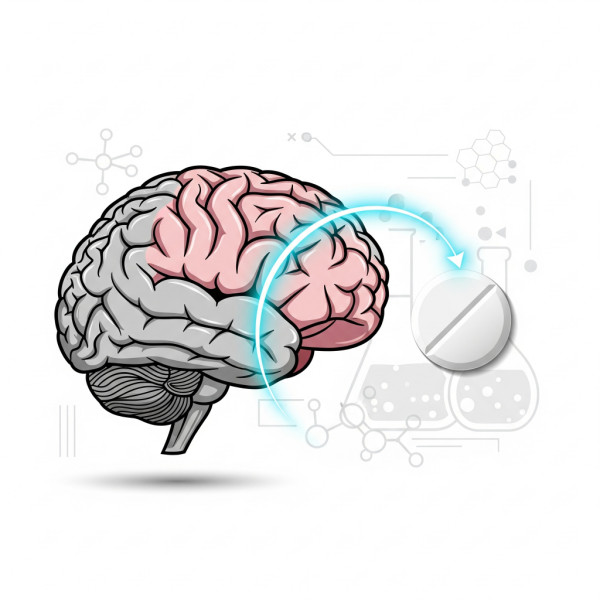
Metformin's secret? It targets the Rap1 protein, a key regulator in the brain. By switching off Rap1, metformin activates specific neurons, creating a domino effect that lowers blood sugar. This isn’t just a tweak, it’s a paradigm shift. It means metformin, a drug once thought to act solely in the periphery, has a direct line to the brain.
'This discovery challenges our understanding of how metformin works and offers new avenues for treatment,' said Dr. Fukuda, a leading researcher in the field.
But why does this matter? Because it opens the door to new types of treatments. Treatments that could revolutionize not just diabetes care, but our approach to neurodegenerative diseases.
Metformin's Hidden Impact on the Brain: Unlocking Neuroprotective Pathways
Metformin’s brain journey doesn’t stop at blood sugar control. It ventures into uncharted territories, offering glimpses into its neuroprotective potential.
In a world where neurodegenerative and neuropsychiatric disorders are on the rise, metformin's role in the central nervous system (CNS) is a beacon of hope. Studies show that metformin, beyond its glucose-regulating prowess, can improve cognitive and mood functions in some type 2 diabetes patients.
But the big question remains: Can metformin’s neuroprotective effects transcend diabetes? Could it be a game-changer in the battle against neurodegenerative diseases, like Alzheimer’s and Parkinson’s? Only time will tell, but the early signs are promising.
The Future of Metformin: Beyond Blood Sugar
Metformin’s impact on the brain raises a provocative question: Could this drug, designed for blood sugar control, revolutionize our approach to brain health? Metformin’s journey from a diabetes drug to a potential neuroprotective agent is a testament to the power of scientific discovery.
As we grapple with the complexities of the brain, metformin stands at the crossroads of diabetes and neurodegeneration. Its ability to influence the brain, coupled with its safety and tolerability, makes it a promising candidate for further exploration.
So here’s to metformin, the drug that’s more than just a blood sugar regulator. Here’s to the brain changer, the cerebral influencer, the drug that’s rewriting the rules of diabetes and, possibly, dementia. For metformin, the journey is just beginning, and the brain is the final frontier.
Metformin's ability to influence the brain, coupled with its safety and tolerability, makes it a promising candidate for further exploration.
Metformin could revolutionize our approach to neurodegenerative diseases, like Alzheimer’s and Parkinson’s, opening new avenues for treatment.
How does this story make you feel?
 Up next · HealthMetformin’s Surprising Impact on the Brain