Retatrutide outperforms Ozempic in phase 3 diabetes trial
A phase 3 study shows Eli Lilly’s retatrutide lowered A1C by 2.2% versus 1.8% for Novo Nordisk’s Ozempic, while also producing greater weight loss, but with more gastrointestinal side effects.
Key points
- Retatrutide reduced A1C 2.2% after 80 weeks, higher than Ozempic’s 1.8%.
- Highest dose of retatrutide led to 44‑47 lb weight loss, about double Ozempic’s effect.
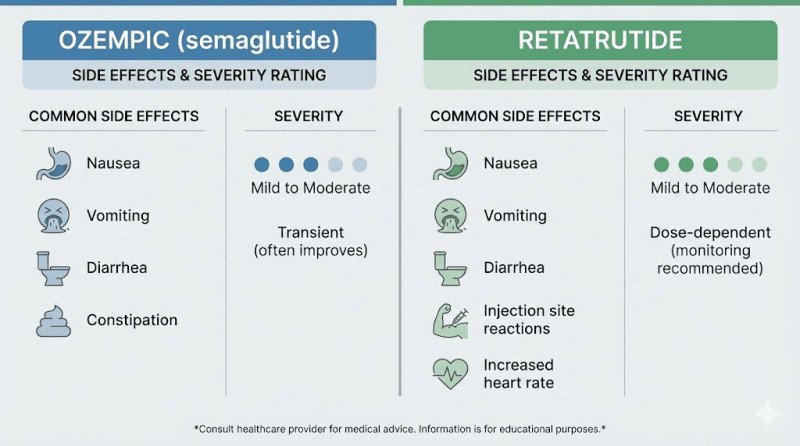
- Higher doses of retatrutide caused more gastrointestinal side effects, leading to more discontinuations.
The diabetes world is abuzz with a new showdown between Eli Lilly's retatrutide and Novo Nordisk's Ozempic, as a recent phase 3 trial reveals groundbreaking data that could reshuffle the deck in diabetes management
Retatrutide Leads the Charge in Blood Sugar Control
A new phase 3 trial recently released results comparing Eli Lilly's experimental drug retatrutide head-to-head against Novo Nordisk's market-leading Ozempic in treating type 2 diabetes. In a stunning turn of events, retatrutide delivered a significant 2.2% reduction in A1C levels after 80 weeks, outpacing Ozempic's 1.8% reduction, signaling a potential paradigm shift in diabetes management.
Retatrutide's mechanism of action differs from Ozempic. This triple-G approach has shown promising results in both blood sugar control and weight loss, positioning retatrutide as a potential game-changer in the diabetes treatment landscape.
Moreover, the trial also revealed findings related to hypoglycemia. This is a crucial finding, as hypoglycemia is a significant concern for people with diabetes, often leading to hospitalization and other complications.
Weight Loss Results Tip the Scales in Retatrutide's Favor
But the story doesn't end at blood sugar control. Participants in the study who were administered retatrutide also saw impressive weight loss results. According to available reports, individuals on the highest dose of retatrutide lost an average of 44 to 47 lbs (20% to 21% of their initial body weight), more than double the weight loss observed in the Ozempic group. This substantial weight loss is a game-changer, as obesity is a common comorbidity in people with type 2 diabetes, exacerbating the condition and leading to further complications.
The weight loss results come as no surprise, given that retatrutide's mechanism of action also includes appetite suppression, leading to reduced caloric intake. This dual benefit of improved blood sugar control and significant weight loss makes retatrutide a formidable contender in the diabetes treatment market.
However, it's not all sunshine and rainbows for retatrutide. The study also noted that higher doses of retatrutide were associated with increased gastrointestinal side effects, leading to more discontinuations than Ozempic. This is an important consideration for healthcare providers and patients when evaluating the potential benefits and risks of retatrutide.
What Lies Ahead in the Diabetes Treatment Landscape?
The recent findings from the phase 3 trial comparing retatrutide and Ozempic have sent ripples through the diabetes community. With its superior performance in blood sugar control and weight loss, retatrutide is poised to challenge Ozempic's dominance in the market.
But what does this mean for patients? The availability of a more effective treatment option is undoubtedly welcome news for those struggling with type 2 diabetes and obesity. However, the increased gastrointestinal side effects associated with retatrutide may pose challenges for some patients. As with any new treatment, it will be crucial to weigh the benefits against the potential risks.
Another critical consideration is the potential impact on healthcare costs. Furthermore, the increased weight loss associated with retatrutide may lead to additional costs for monitoring and managing potential side effects.
In the meantime, healthcare providers, patients, and policymakers will be closely watching the developments surrounding retatrutide and Ozempic. As the diabetes treatment landscape continues to evolve, one thing is clear: the battle for better blood sugar control and weight management is far from over. As the dust settles on this recent trial, the question remains: will retatrutide emerge victorious, or will Ozempic retain its crown? Only time will tell.
The buzz around this trial is just the beginning. The race for better diabetes treatment options is heating up, and patients are eager to see what the future holds. With retatrutide showing such promising results, the diabetes treatment landscape is set for a significant shake-up in the coming months and years. In the end, the real winners will be the patients who stand to benefit from improved blood sugar control and weight management.
Your questions, answered
What were the A1C results for retatrutide and Ozempic?
Retatrutide lowered A1C by 2.2% while Ozempic lowered it by 1.8% after 80 weeks.
How much weight did retatrutide help patients lose?
Participants on the highest dose of retatrutide lost an average of 44 to 47 pounds, about 20‑21% of their initial body weight.
Quick poll
Which diabetes drug offers better weight loss?
0 votes
How does this story make you feel?
Topics
 Up next · HealthMiyoko’s Creamery recalls 8‑ounce plant‑based butter over contamination