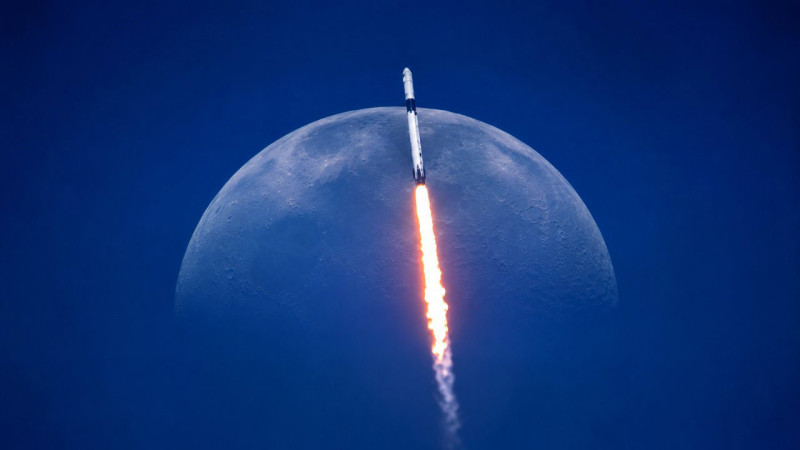
Astronaut's Voice: NASA's First-Ever Space Station Evacuation

Imagine if you were floating 250 miles above Earth, surrounded by the vast emptiness of space, and suddenly, your voice abandons you. That's precisely what happened to a NASA astronaut last year, prompting the space agency to orchestrate an unprecedented medical evacuation from the International Space Station.
Lingering Mystery: The Medical Emergency
NASA's space station evacuation in January 2026 marked a historic event, as the agency executed its first-ever medical evacuation from the International Space Station (ISS). The astronaut involved, Mike Fincke, a seasoned NASA veteran, revealed that he suddenly lost the ability to speak while on a routine mission. The medical team on Earth was left baffled, as doctors were unable to pinpoint the cause of his sudden illness. The incident underscored the inherent risks and challenges faced by astronauts during extended stays in space, highlighting the need for robust emergency response protocols.
The Swift Response: A Month Cut Short
Within days of the medical concern, the four-member Crew-11, consisting of NASA astronauts, a Japanese astronaut, and a cosmonaut from Russia, were evacuated safely to Earth. The crew, which included Fincke and fellow astronauts Zena Cardman, Japan's Kimiya Yui, and cosmonaut Oleg Platonov, successfully landed on January 15, 2026, nearly a month earlier than planned. NASA's decision to evacuate the crew showcased the agency's commitment to astronaut safety and its readiness to deploy emergency protocols when necessary, even in the most dire of circumstances.
Despite the swift response, the absence of a clear diagnosis raises concerns about the long-term health implications for astronauts. The vacuum of space, with its microgravity and intense radiation, poses unique challenges to the human body, making medical emergencies a constant risk. Fincke's experience serves as a stark reminder of the need for continuous research and development in space medicine, ensuring that astronauts are well-equipped to handle unexpected health issues in the void.
NASA's International Space Station has long been a testament to international collaboration and scientific advancement. However, incidents like Fincke's underscore the ongoing challenges and the need for vigilant monitoring of astronauts' health in space. "We are learning more about the human body in space with each mission, but incidents like this remind us that there is still much to understand," said a NASA official, highlighting the ongoing quest to safeguard astronauts during their extraterrestrial journeys.
As NASA continues to push the boundaries of space exploration, the lessons from this unprecedented evacuation will undoubtedly shape future missions, ensuring that the stars remain within reach for all who dare to explore. With the next mission looming on the horizon, the question remains: will the next medical emergency prompt a similar response, or will advancements in space medicine render such evacuations a relic of the past? Only the vast, uncharted expanse of space holds the answer.
How does this story make you feel?
 Up next · ScienceUnderstanding Red Flag Weather Warnings: A Critical Look