In a dramatic turn of events, Director of National Intelligence (DNI) Tulsi Gabbard has sent criminal referrals to the Justice Department, alleging a coordinated effort to manipulate intelligence for political gain during President Donald Trump's 2019 impeachment.
Gabbard's Referrals: Exposing the 'Deep State' Plot
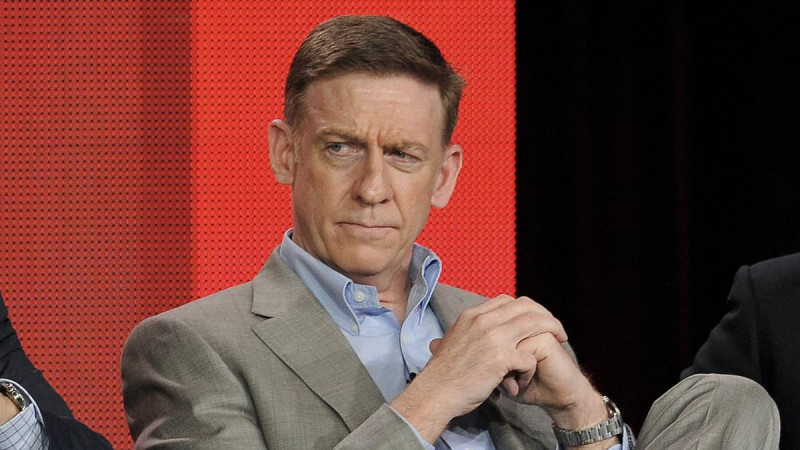
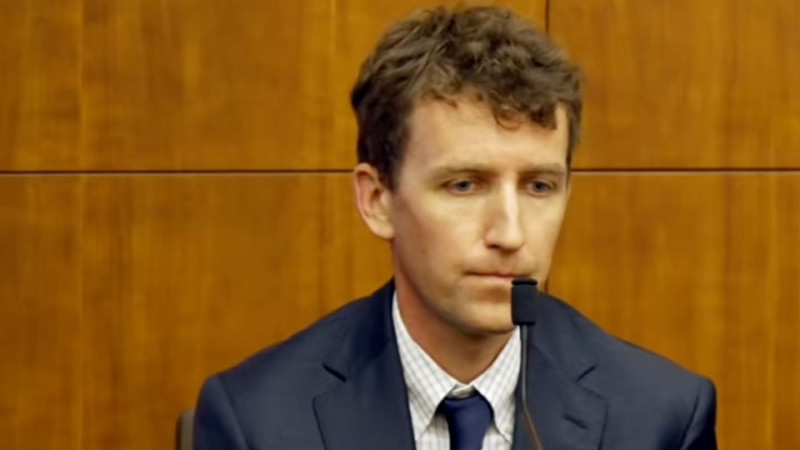
Gabbard's actions target key figures involved in the impeachment process, including former Intelligence Community Inspector General (ICIG) Michael Atkinson and Eric Ciaramella, a former CIA analyst. The referrals accuse these individuals of orchestrating a conspiracy to manufacture false impeachment material, thereby influencing the political landscape.
This development comes on the heels of Gabbard releasing documents that purportedly uncover a "coordinated effort" within the intelligence community to frame Trump. The documents, described as never-before-seen, reveal a complex web of intelligence manipulation aimed at impeaching the then-president.
The Justice Department's Role and Congressional Involvement
The Department of Justice (DOJ) has confirmed receipt of the criminal referrals, setting the stage for potential investigations into the alleged misconduct. Gabbard's move has drawn scrutiny from both political parties, with some hailing her as a whistleblower while others accuse her of partisan bias.
Senator Chuck Grassley, a key figure in the Senate, has announced plans to declassify documents related to the 2016 election investigations, indicating a broader effort to shed light on the allegations. This development adds another layer of complexity to an already contentious political landscape, as Grassley's actions could either validate or refute Gabbard's claims.
Historical Parallels and Political Implications
The allegations against Atkinson and Ciaramella echo past instances of intelligence manipulation for political purposes, notably the Watergate scandal. The scandal, which unfolded in the 1970s, involved high-level government officials using intelligence agencies to spy on political opponents, ultimately leading to the resignation of President Richard Nixon.
The parallels between the Watergate scandal and the current allegations against former intelligence officials are striking. Both incidents involve the misuse of intelligence for partisan purposes, raising questions about the integrity of the intelligence community and the potential for future abuses. Gabbard's actions, therefore, represent a critical juncture in American politics, where the integrity of the intelligence apparatus is under unprecedented scrutiny.
"The revelations by Director of National Intelligence Tulsi Gabbard represent a significant development in the ongoing saga of political intrigue and intelligence manipulation. As the Justice Department begins its investigations, the nation watches with bated breath, awaiting the outcome which could reshape the political landscape and the trust in our intelligence agencies."
“The revelations by Director of National Intelligence Tulsi Gabbard represent a significant development in the ongoing saga of political intrigue and intelligence manipulation. As the Justice Department begins its investigations, the nation watches with bated breath, awaiting the outcome which could reshape the political landscape and the trust in our intelligence agencies.”
As the investigations unfold, the public remains eager to see if the past will repeat, or if the current political landscape can carve a new path forward.