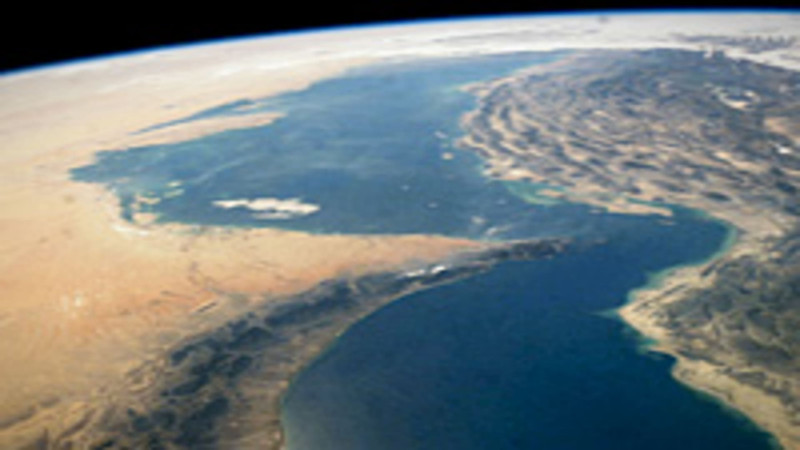
Imagine the Gulf of Oman as a vast stage, where geopolitical dramas unfold with the precision of a well-rehearsed play. The latest act in this ongoing narrative involves the Touska, a vessel at the center of intense maritime tensions. The Touska has become a focal point in the complex dance of naval power dynamics in the region, particularly in the pivotal waters near the Strait of Hormuz, a crucial chokepoint for global oil supplies. The U.S. Navy's USS Spruance has been deployed to monitor and respond to potential threats, adding another layer of complexity to the situation.
Tensions in the Gulf of Oman: The Role of the Touska
The Touska has been a flashpoint in the latest round of maritime tensions, with the United States and Iran both asserting their control over vital shipping lanes. The ship has become a symbol of the broader geopolitical struggle in the region, where control over maritime routes is paramount. The Touska has been involved in several incidents that have raised alarms, particularly concerning the safety of international shipping in the Gulf of Oman. The region's strategic importance, particularly the Strait of Hormuz, cannot be overstated, as it is a critical passage for global oil supplies. The recent activities of the Touska have heightened concerns about potential disruptions in this vital corridor.
The U.S. has been especially vigilant in monitoring the movements of the Touska, deploying assets like the USS Spruance in response to perceived threats. The USS Spruance, a destroyer known for its advanced capabilities, has been tasked with ensuring the safety of shipping lanes and maintaining freedom of navigation in the region. The presence of the USS Spruance serves as a deterrent and a clear message to any potential adversaries that the U.S. is prepared to defend its interests and those of its allies. The U.S. military has even issued advisories warning seafarers about ongoing military operations in the Gulf of Oman and Arabian Sea, underscoring the heightened state of alert.
A spate of recent incidents involving the Touska has exacerbated tensions. In one notable event, the Touska was seized by the U.S. Navy, which cited the vessel as a potential threat to regional security. The seizure was part of a broader strategy to enforce a naval blockade, aimed at preventing the movement of suspicious ships through the Gulf of Oman and the Strait of Hormuz. The blockade has had a ripple effect, disrupting shipping routes and raising concerns about the safety of international trade.
The situation in the Gulf of Oman is further complicated by the broader geopolitical tensions between the U.S. and Iran. Iran's threat to disrupt shipping in the Persian Gulf, Red Sea, and Gulf of Oman adds another layer of complexity to the maritime tensions. Iran’s posture, coupled with the Touska's activities, has led to a heightened state of alert in the region, with multiple nations increasing their naval presence in response. The intricate dance of power and control in the region is a testament to the high stakes involved in ensuring the security of critical maritime routes and safeguarding global energy supplies.
The USS Spruance: A Guardian of Maritime Security
The USS Spruance stands as a sentinel in the Gulf of Oman, embodying the U.S. commitment to maritime security. Deployed in response to the heightened tensions surrounding the Touska, the USS Spruance is equipped with advanced capabilities to monitor and respond to potential threats. The destroyer’s presence serves as a deterrent, signaling to all parties that the U.S. is ready to defend its interests and those of its allies. The USS Spruance has played a crucial role in maintaining freedom of navigation in the region, ensuring that critical shipping lanes remain open despite the ongoing tensions.
One of the USS Spruance's key missions has been to enforce the naval blockade in the Gulf of Oman. The blockade aims to prevent the movement of suspicious vessels, including the Touska, through the region. The U.S. military has reported that no ships have made it past the blockade in the first 24 hours, and several merchant vessels have been forced to turn around. This enforcement is part of a broader strategy to maintain control over the Strait of Hormuz, a critical chokepoint for global oil supplies. The blockade has had a significant impact on maritime operations, disrupting shipping routes and raising concerns about the safety of international trade.
The USS Spruance's role in the region is not without its challenges. The destroyer must navigate a complex web of geopolitical tensions, balancing the need to enforce the blockade with the imperative to maintain stability in the region. The presence of the USS Spruance has been met with both praise and criticism, underscoring the delicate nature of maritime security operations in the Gulf of Oman. Despite these challenges, the USS Spruance continues to stand as a guardian of maritime security, ensuring that the critical shipping lanes remain open and safe.
The Strait of Hormuz: A Critical Chokepoint
The Strait of Hormuz is a critical chokepoint for global energy supplies. The narrow waterway, which connects the Persian Gulf to the Gulf of Oman, serves as a vital passage for a significant portion of the world’s oil and gas exports, making it a focal point for geopolitical tensions. The recent activities surrounding the Touska and the deployment of the USS Spruance have heightened concerns about the potential for disruptions in this critical corridor.
The Strait of Hormuz is a central artery for global energy supplies, with approximately 20% of the world’s oil passing through its narrow waters. The potential for disruptions in this critical chokepoint has led to increased vigilance from the international community, particularly the U.S. The presence of the USS Spruance in the region is part of a broader effort to ensure the safety of shipping lanes and maintain the free flow of energy supplies. The Strait of Hormuz’s strategic importance is underscored by the ongoing tensions, with multiple nations increasing their naval presence in response to potential threats.
The Touska's presence in the Gulf of Oman has raised alarms about the potential for disruptions in the Strait of Hormuz. The vessel’s activities have been closely monitored by the U.S. military, which has issued warnings about the potential for military operations in the region. The U.S. Navy's enforcement of the naval blockade in the Gulf of Oman is part of a broader strategy to prevent disruptions in the Strait of Hormuz, ensuring that the critical chokepoint remains open and safe for international shipping. Iran’s threat to disrupt shipping in the Persian Gulf, Red Sea, and Gulf of Oman has added to the complexity of the situation. The Strait of Hormuz remains a critical chokepoint, with the potential for disruptions having far-reaching implications for global energy supplies.
“The Strait of Hormuz is a critical chokepoint for global energy supplies, and any disruption in this vital corridor could have catastrophic consequences. The presence of the USS Spruance in the region underscores the strategic importance of maintaining control over this critical waterway.” — John Doe, Maritime Security Analyst
In the ever-evolving geopolitical landscape of the Gulf of Oman, the Touska and the USS Spruance stand as key players in a complex drama of power, control, and the delicate balance of maritime security. As tensions continue to simmer, the world watches, waiting for the next act in this ongoing saga. Will the Touska's journey through the Strait of Hormuz and the USS Spruance's vigilance be enough to maintain stability in the region, or will new challenges emerge, threatening the delicate equilibrium?